Latest Posts

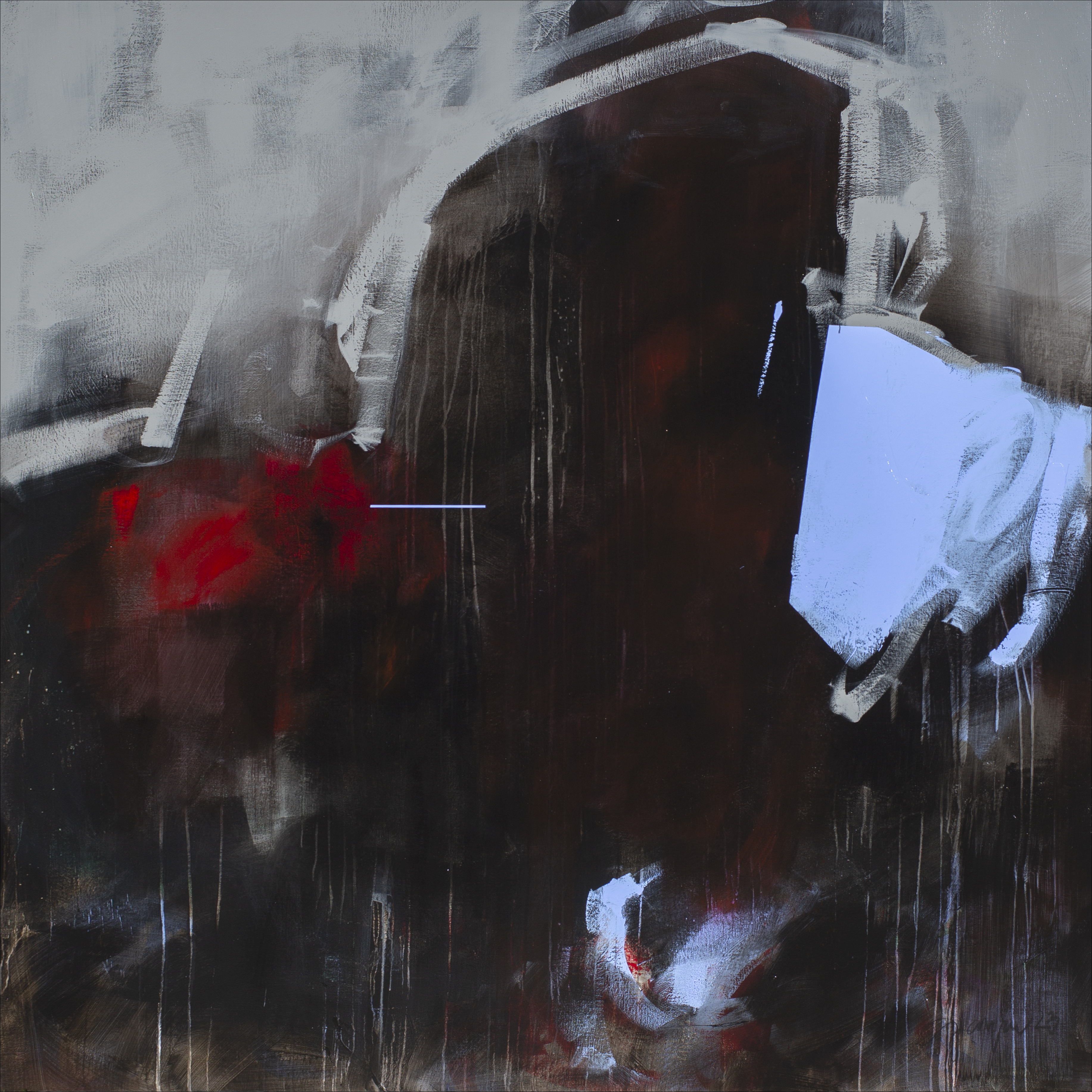
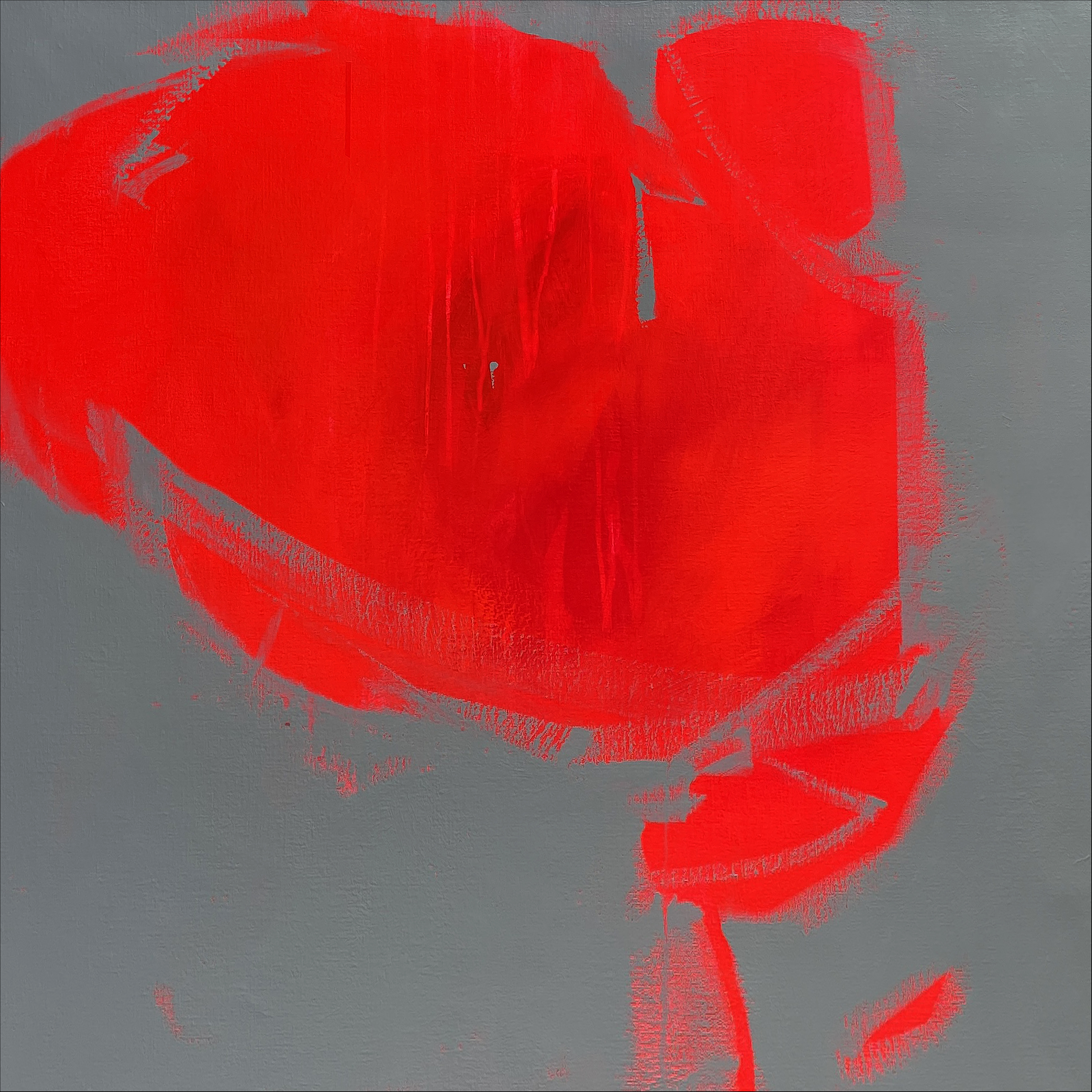
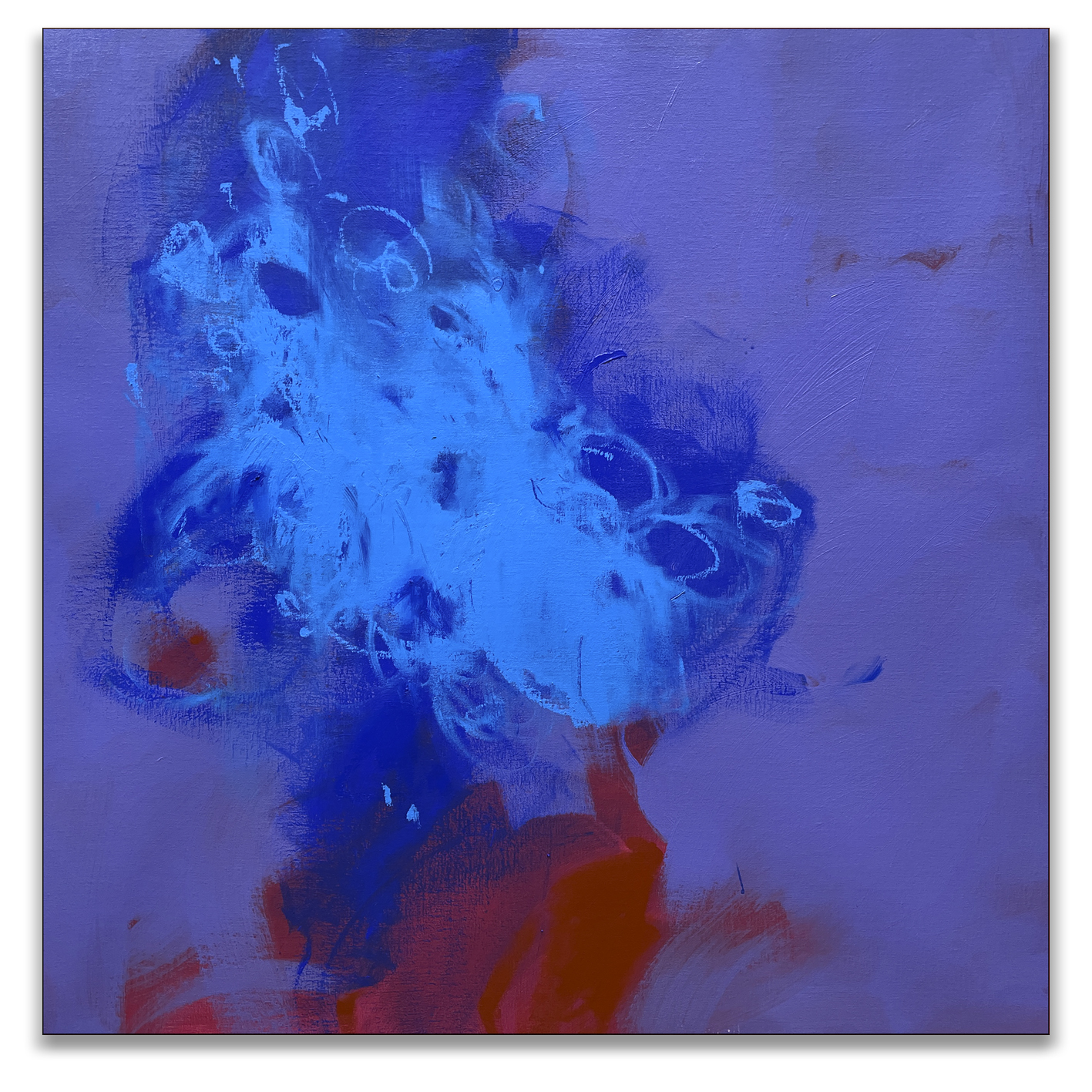
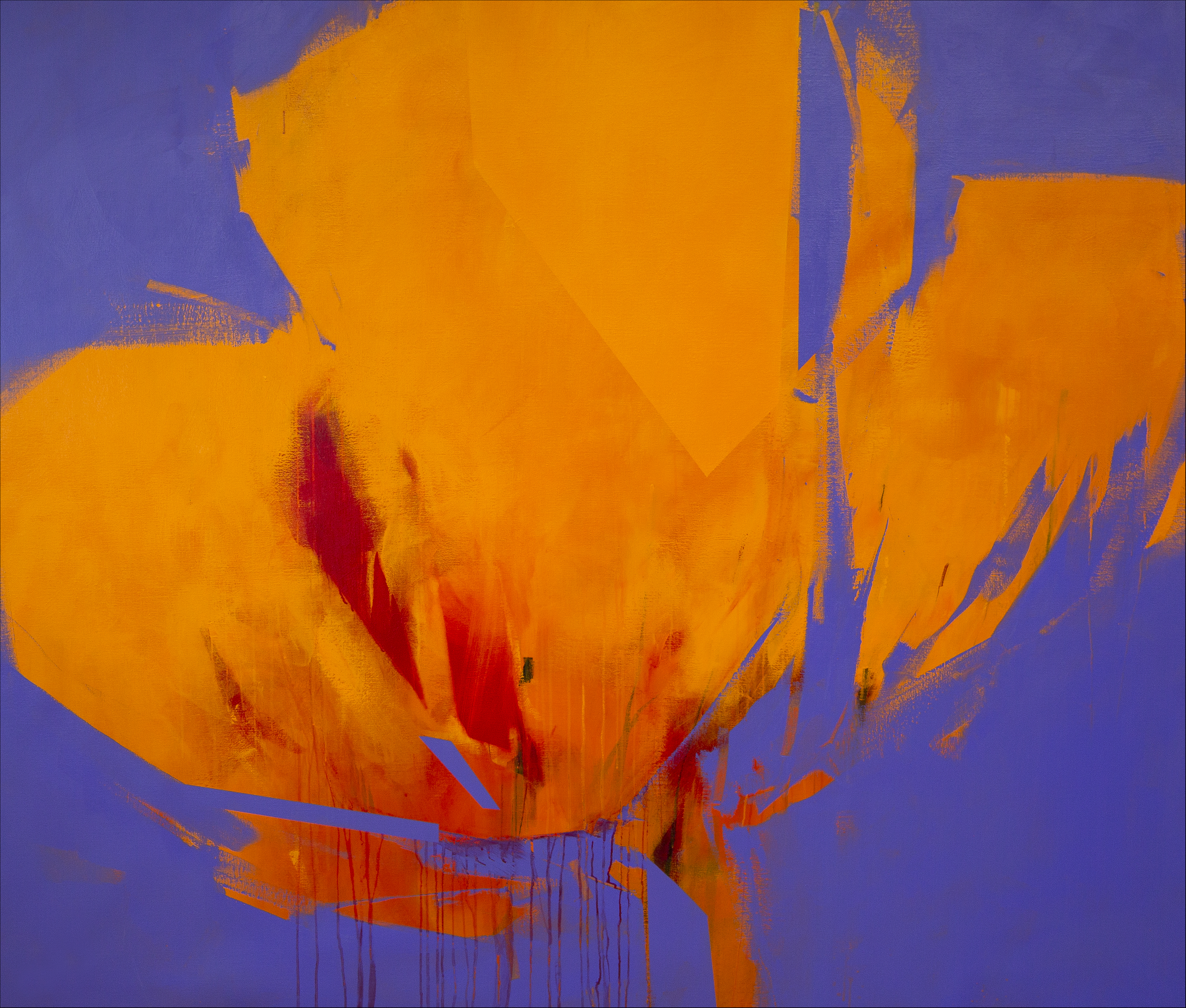
Memories arrested in space with Chun Mi-Jin

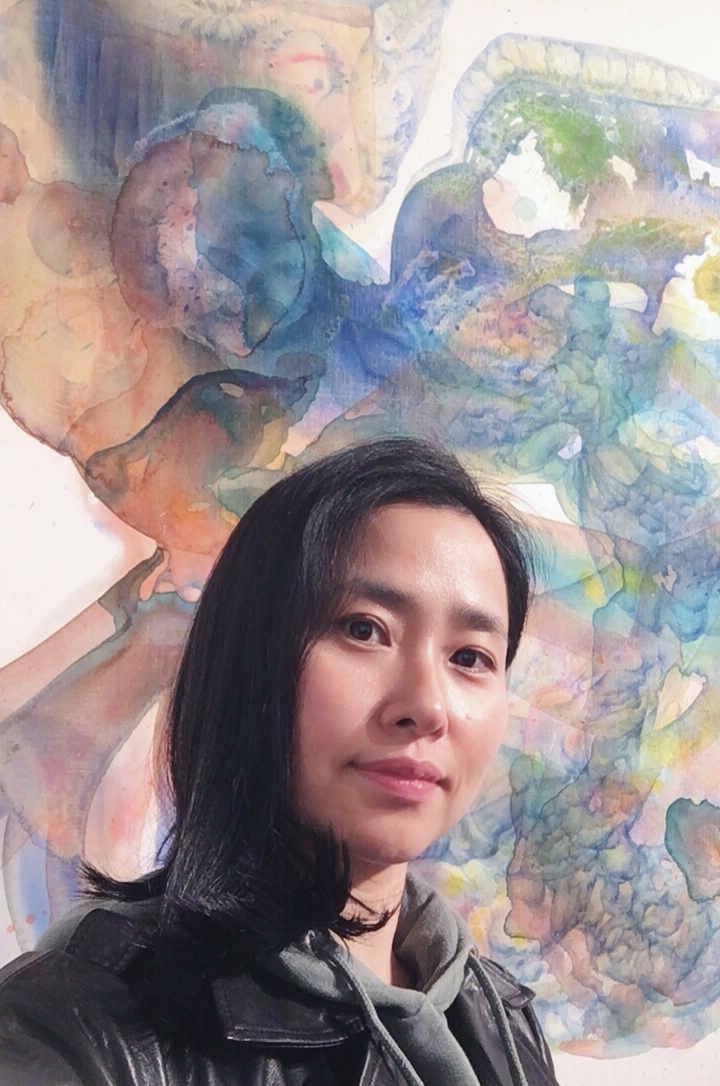
Chun Mi-Jin, South Korean born artist, who currently lives in Genoa, Italy, has a background majoring in painting in Korea. After studying Fine Art at Hong-ik University, Seoul, South Korea, she flew to Germany and continued to study architecture at the German University of Stuttgart and worked as an architect in Germany.  After ten years living in Germany, then she moved to Italy with her family where she is now focusing on three-dimensional works and paintings. Her work (Con-creARte) has been exhibited at  SaloneSatellite in Milan, Italy and published in various magazines.

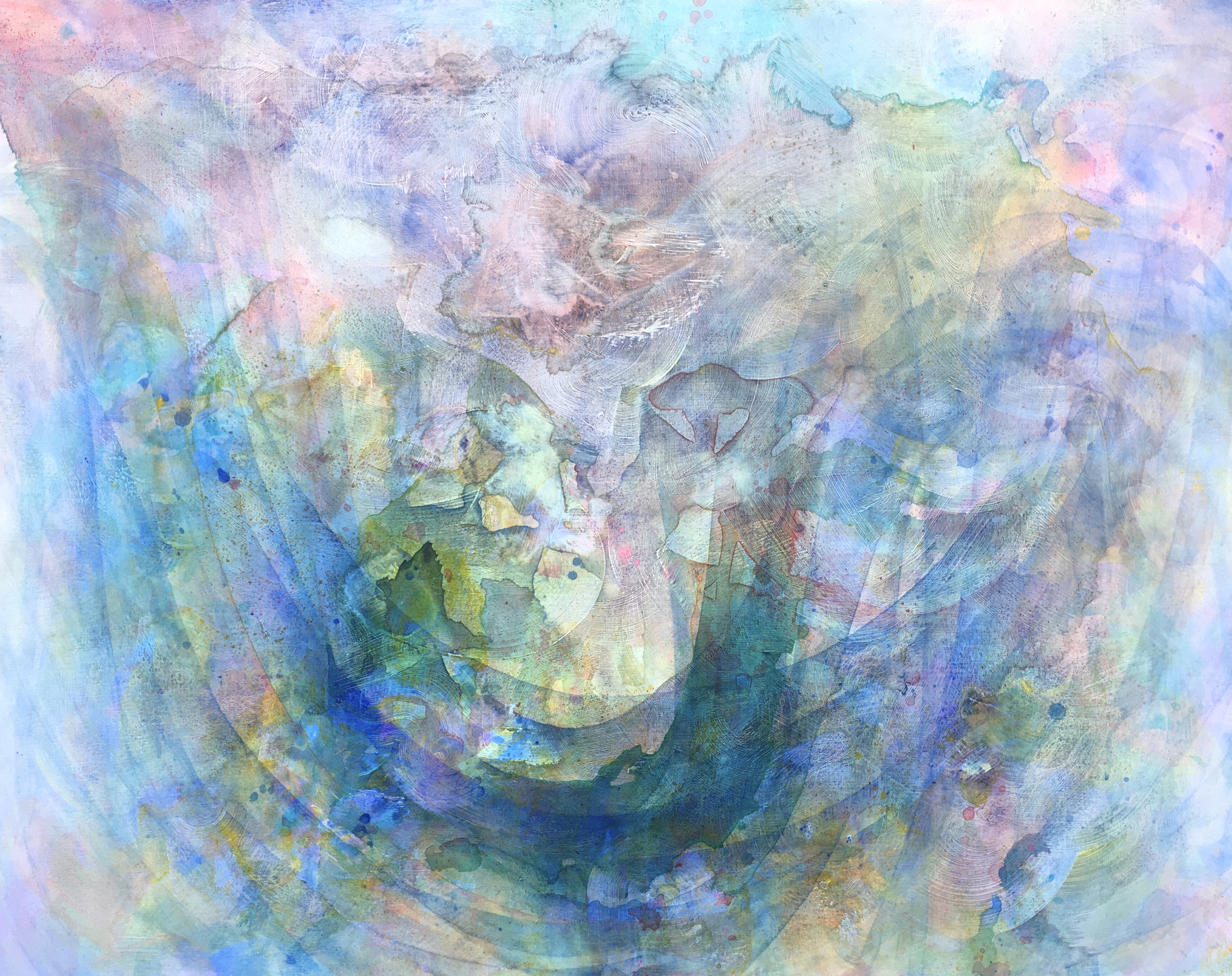
With this multicultural background, she focuses on architectural fine art and pictorial spatiality. The important elements in her work are unconscious space, form and color. Chun expresses architectural structural geometric forms and free, accidental and spontaneous expression techniques of painting on canvas at the same time. Combinations of contrast and contradictory perspectives, she drives to create new relationships and artistic values.
1. Do you consider yourself as an emerging artist in contemporary art ?

Chun Mi-Jin : Well… That’s a very interesting question.  I had been working in the field of architecture for a long time, then only recently I have been painting again.  As it has only been a while since my new artwork, I can say I’m a rookie, but I can’t call myself as a rising start. I am ready to show more.
2. How would you describe your style ?

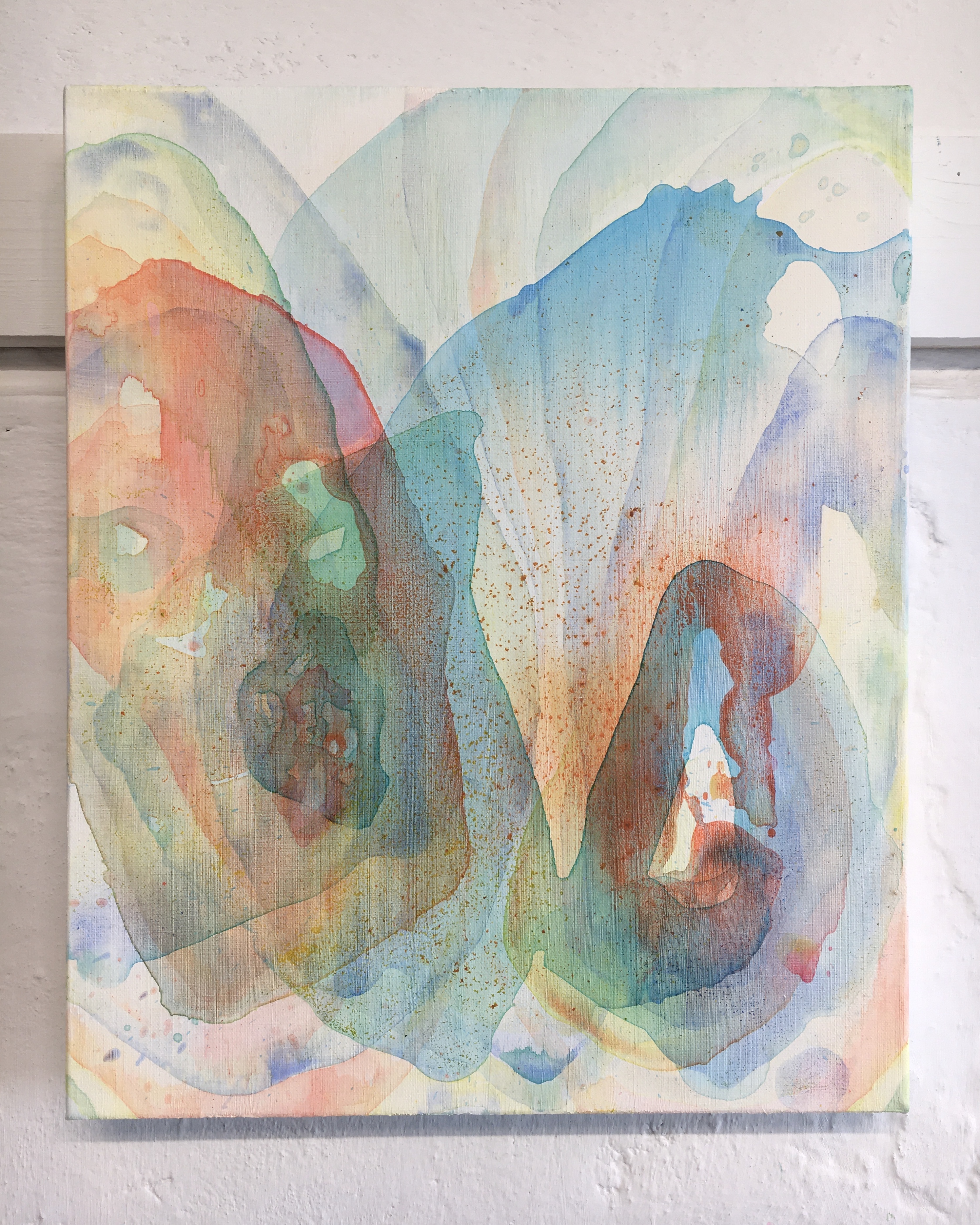
Chun Mi-Jin : My style is transparent, mysterious, delicate, intense, structured and glamorous.  And it’s spatial.
3. Tell us about your experience…

Chun Mi-Jin : I originally came from South Korea, studied in painting at Hongik University, Seoul. After my graduation, I went to Germany to study a new field and admitted to the architecture school at the Kunst Academy in Stuttgart, Germany. After completing the Diploma, I worked at a German architecture firm. Since I have married, I moved to Italy to live as a mother of two beautiful children. As I did not wish to work in an organisation any longer, I personally presented my art furniture, Concrete Art, at Satelite at the Milan Design Fair.  I had wanted to work on a bigger scale, however, with the COVID 19 pandamic situation, everything had to stop abruptly, I picked up a brush and started painting again. I believe the crisis generated another opportunity.  At a time when everything was secluded and isolated all around the world, I decided to listen to my inner voice.  I want to express something inside of me in a way that I am good at.
4. What led you to painting ?

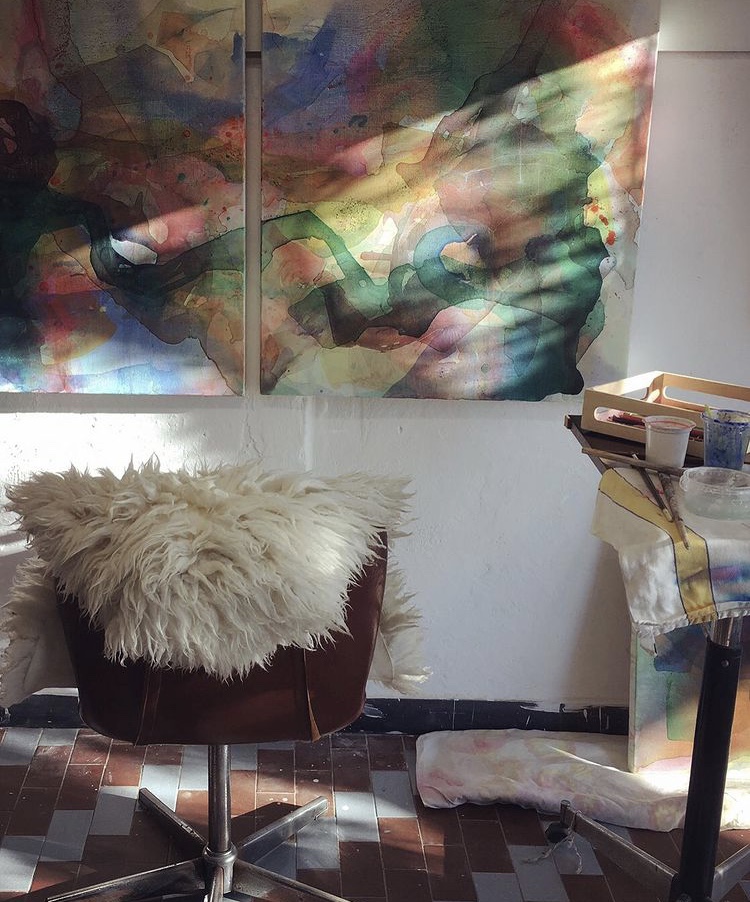
Chun Mi-Jin : I am looking for a metaphysical medium that releases my inner energy.  They are not perfect when they are expressed in any spoken or written form in my perspective. However, it is so beautiful and mysterious to use material tools to produce metaphysical and abstract forms.  Such synergy effect is the energy of my life.
5. Does your South-Korean roots influence your vision of nature ?

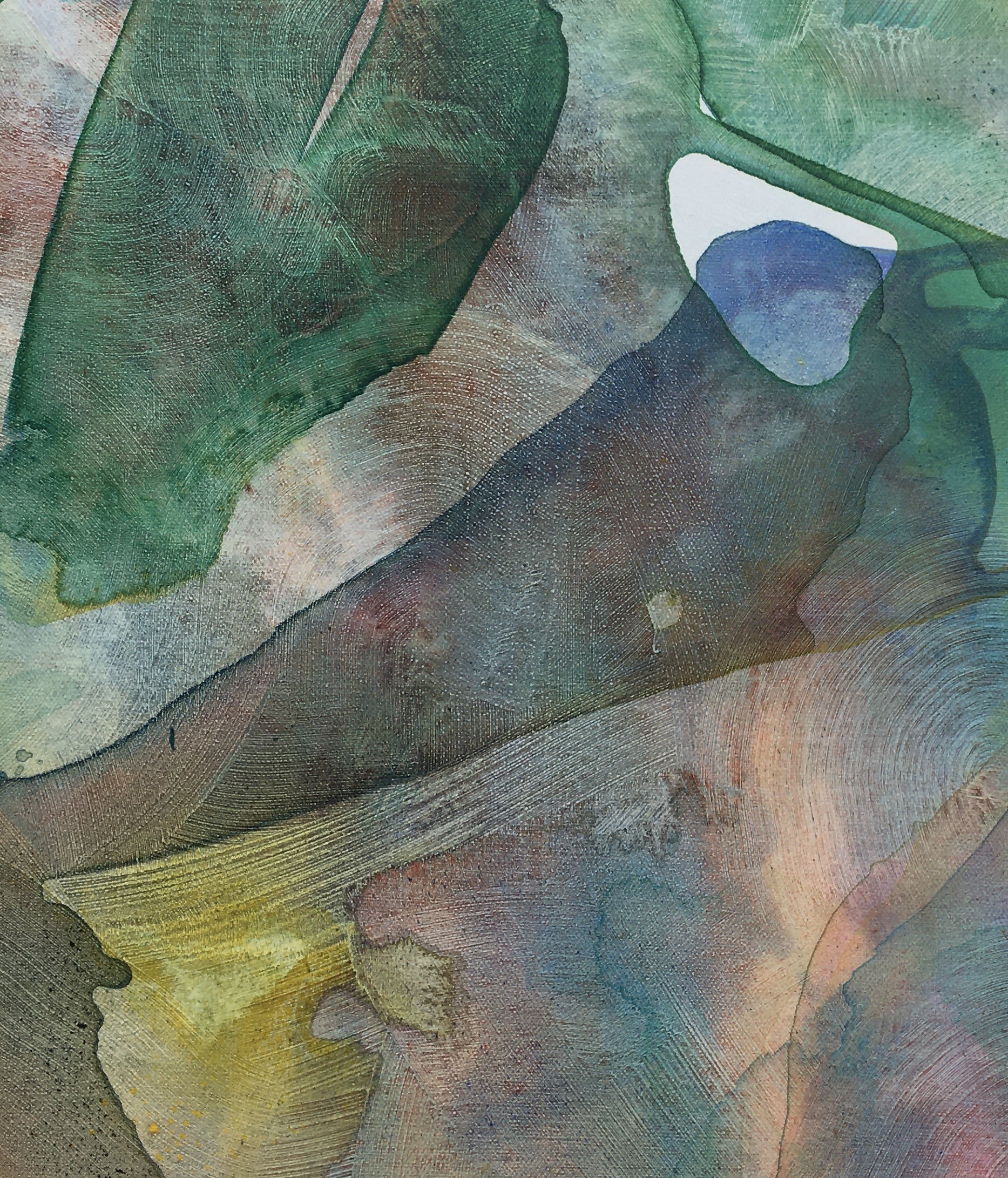
Chun Mi-Jin : Of course.  The scent of my hometown where I was born and raised, the texture of the wind, and the sunlight are still vividly remembered even though it has been 19 years since I left my home country. The Korean culture and their unique emotional aspects are very important factors of my work.  I try to reflect the beauty of Korea’s colour, especially the soft, elegant, natural, and solid Korean artworks that are not flashy.  In particular, I get a lot of inspiration from the colours of Hanbok, the traditional Korean clothing, and the structural beauty of old buildings.
6. Do you remember your first souvenir with art ?

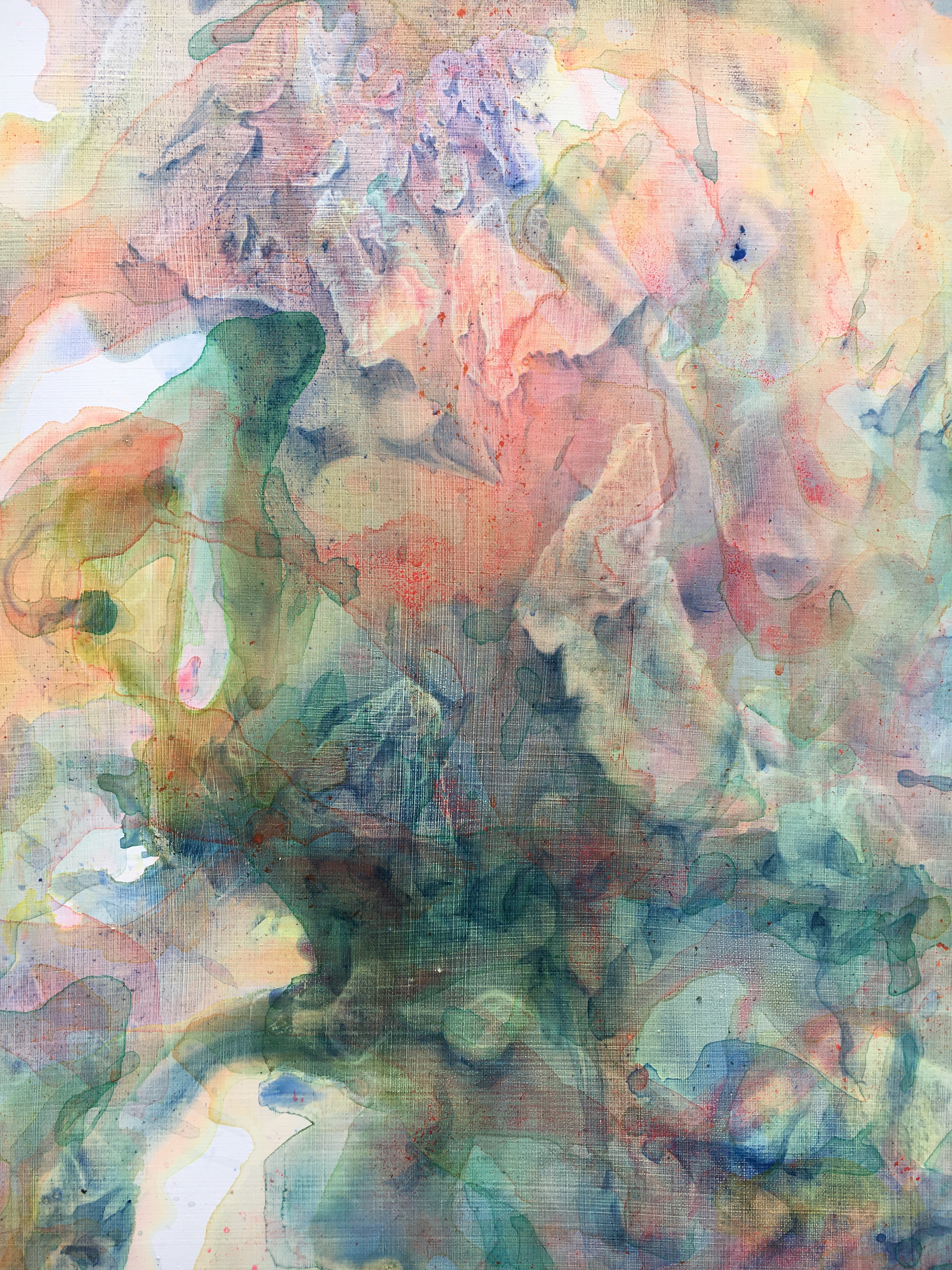
Chun Mi-Jin : When I studied painting in my middle school, an art teacher who majored in ceramics gave me a ceramic necklace which was made by herself.  The brilliant colour and the material of the ceramic necklace, which was coloured by melting glass of ceramic, is still vividly remembered. I still keep it at home.  Its transparent but hardness of the glazing glass-ceramic is so mesmerizing. This artistic experiences during my youth seem to be reflected in my current work elements.
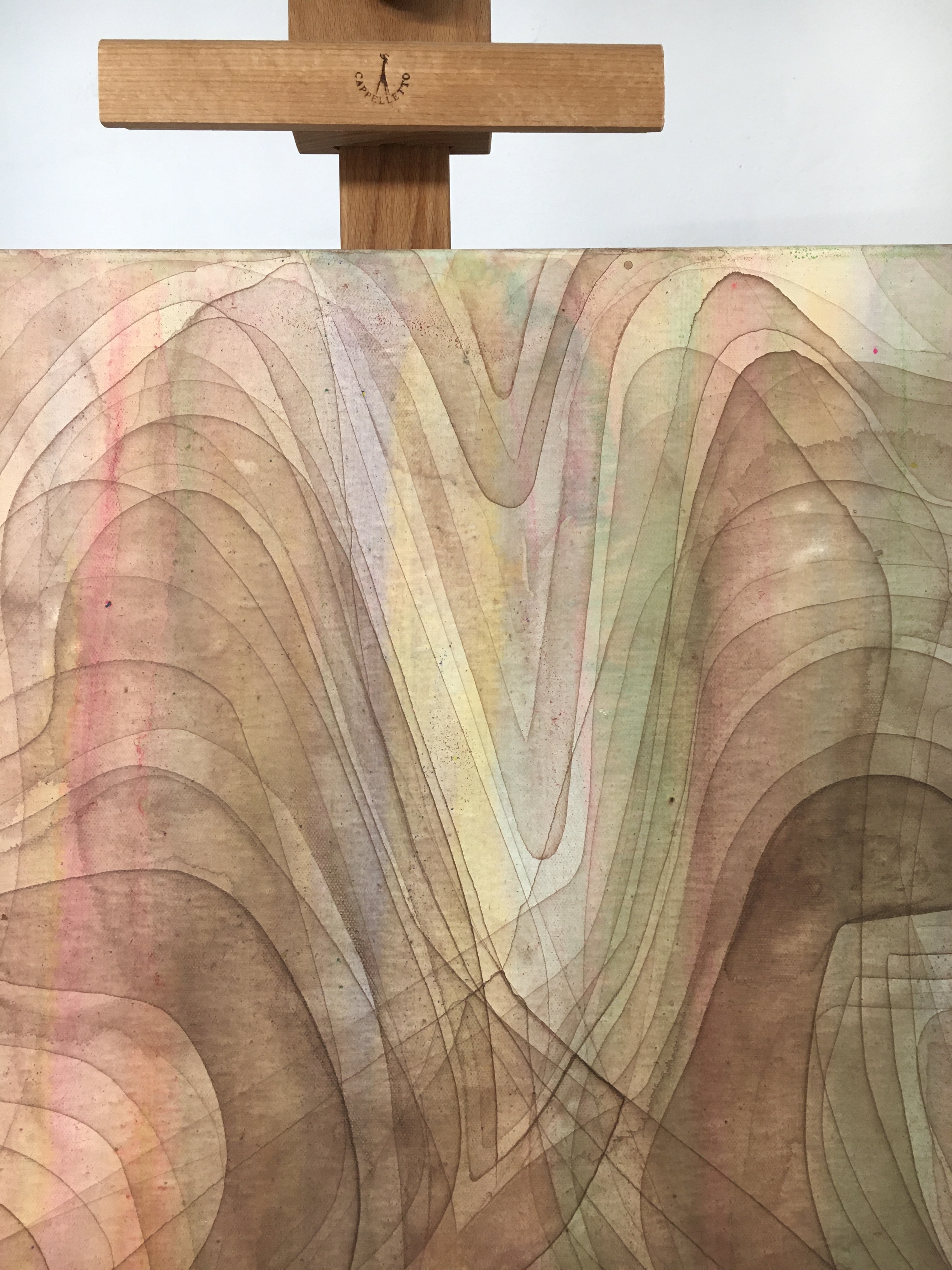
7. Which artists inspire you ?

Chun Mi-Jin : Contemporary artists such as William De Kooning, James Turrell, Katarina Grosse, Julie Mehretu, Louise Bourgeois, John Chamberlain, Park Seo-Bo and classical artists including Monet and Chagall, are those who inspire me most.  On top of this, classical and modern architecture, nature documentaries, and classical music also give much influence to my artworks.

8. What mission do you paint ?

Chun Mi-Jin : I would like to show the shape of emotion.  Recording human emotions, sublimating them into a form, and showing them as an artwork. It is so-called ‘Record feeling’. Also I want to show how it affects people and would like to investigate the form of emotion. It is not easy to express things that cannot be seen and cannot be grasped, but the journey of finding its answer is very fascinating.
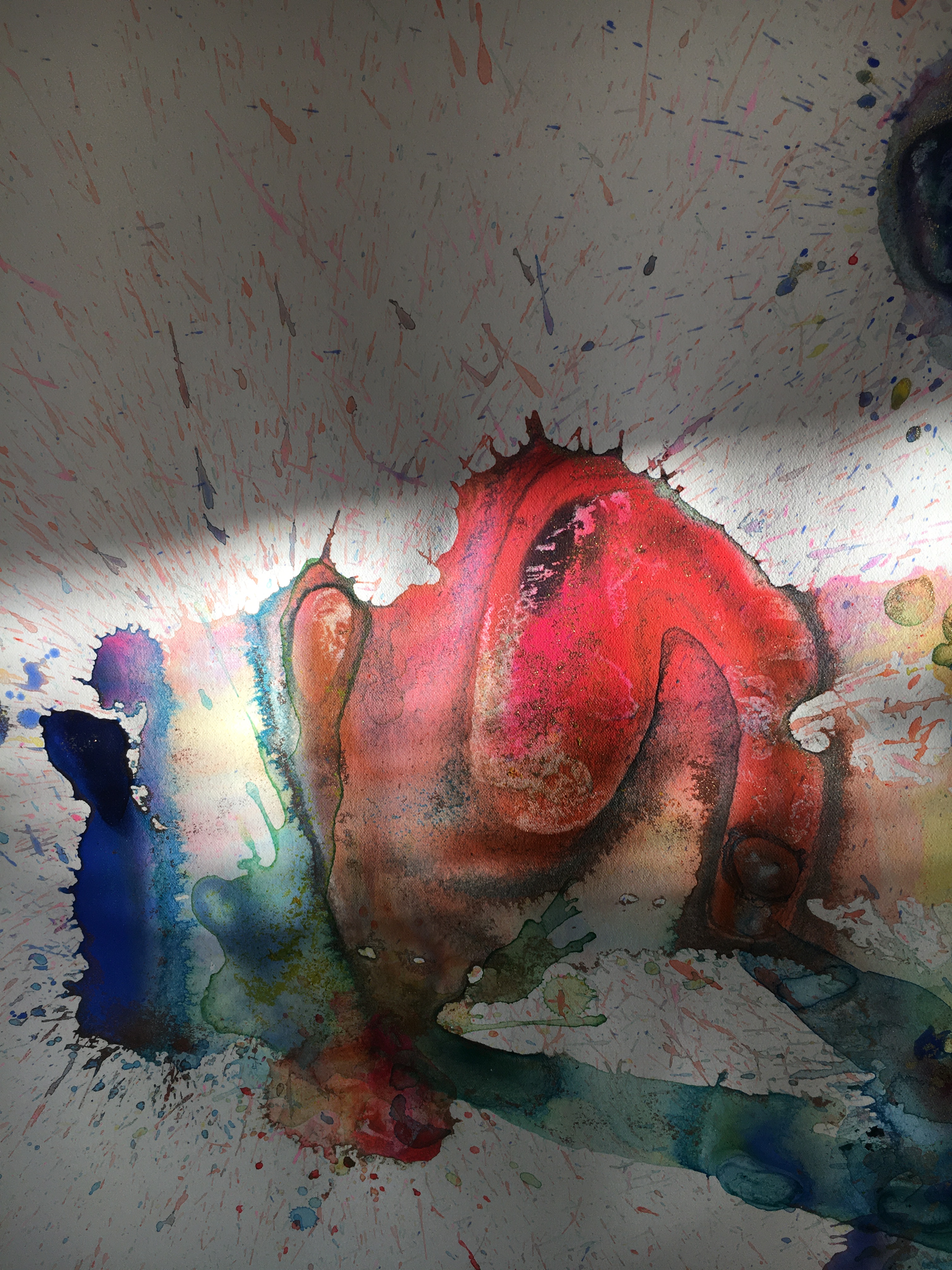
9. Your work is mesmerising, what do you think ?

Chun Mi-Jin : I am so glad to hear that there are those who like my work. Artists usually spend most of their time alone in the studio in solitude, intensely immersed in the work or doing research for the next project. Sometimes, these times make them very lonely and difficult to cope with. But it’s definitely worth it.

When the artwork comes out from these hardships and the outcome is at satisfactory level, I am all over the moon. Besides, having audience who appreciates and acknowledges my work would be the happiest thing in my life.
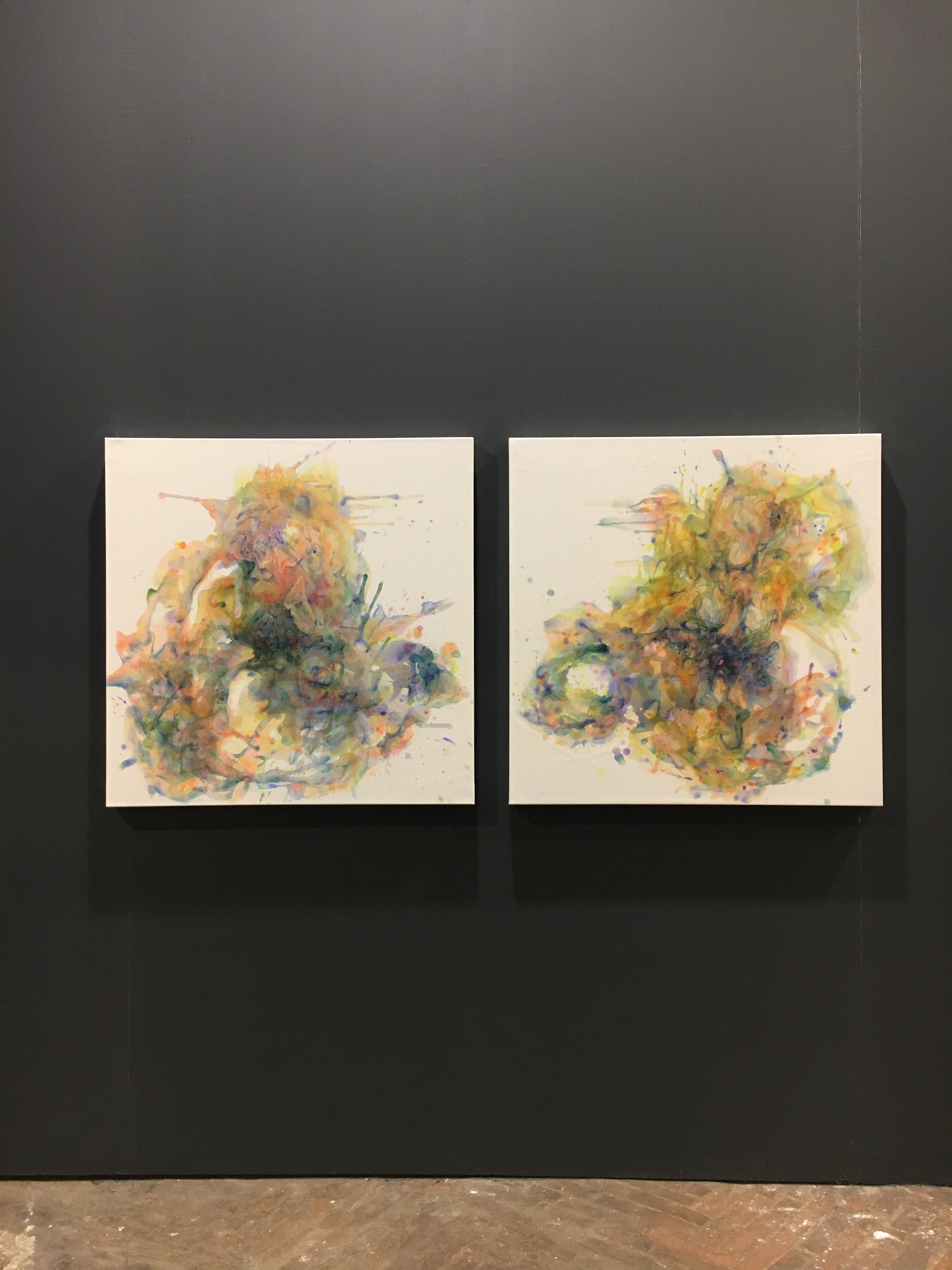
10. What would you like to pass on to the future generations ?

Chun Mi-Jin : I would like to say that the next future generation should move their eyes away from the frame of smartphone. As younger generation spend their time a lot on their mobile phones, I would like to deliver this message to teenagers and people in their twenties, especially at a time when their sensitivity is being developed. I would like to say to focus on the present with five senses to enjoy the world and to listen to the sounds and echoes of the nature and the people around you. Also, I would like people to listen to their inner voice and cherish the present moment. This is the message that I would like to convey.
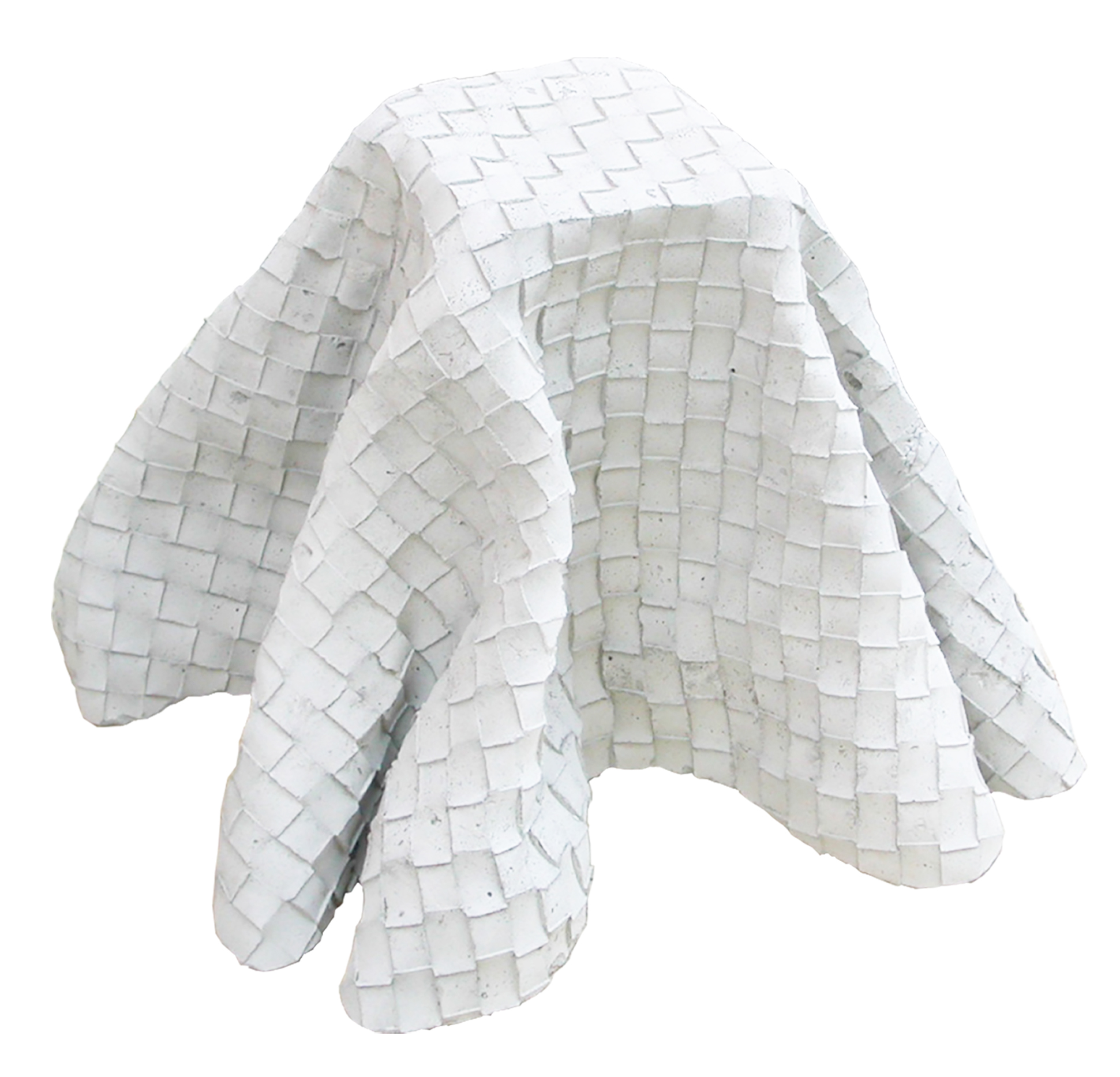
11. How did you first begin to develop your unique style ?

Chun Mi-Jin : I have been thinking an idea for a long time, in order to express the after-images of my memories in space and to show condensed emotions on the canvas. These emotions are very complex, nuanced, heterogeneous, contradictory, yet implicit.  In the meaning of overlapping multiple emotions, the colours and shapes are layered on top of each other. The beauty of overlapping was inspired by drawing architectural drawings by hand on tracing paper.  This is the starting point of starting my current work, which I did by overlapping, tearing, and pasting using various colours instead of single-colour pens. This architectural thinking always gives me a lot of inspiration so that I can try new things.
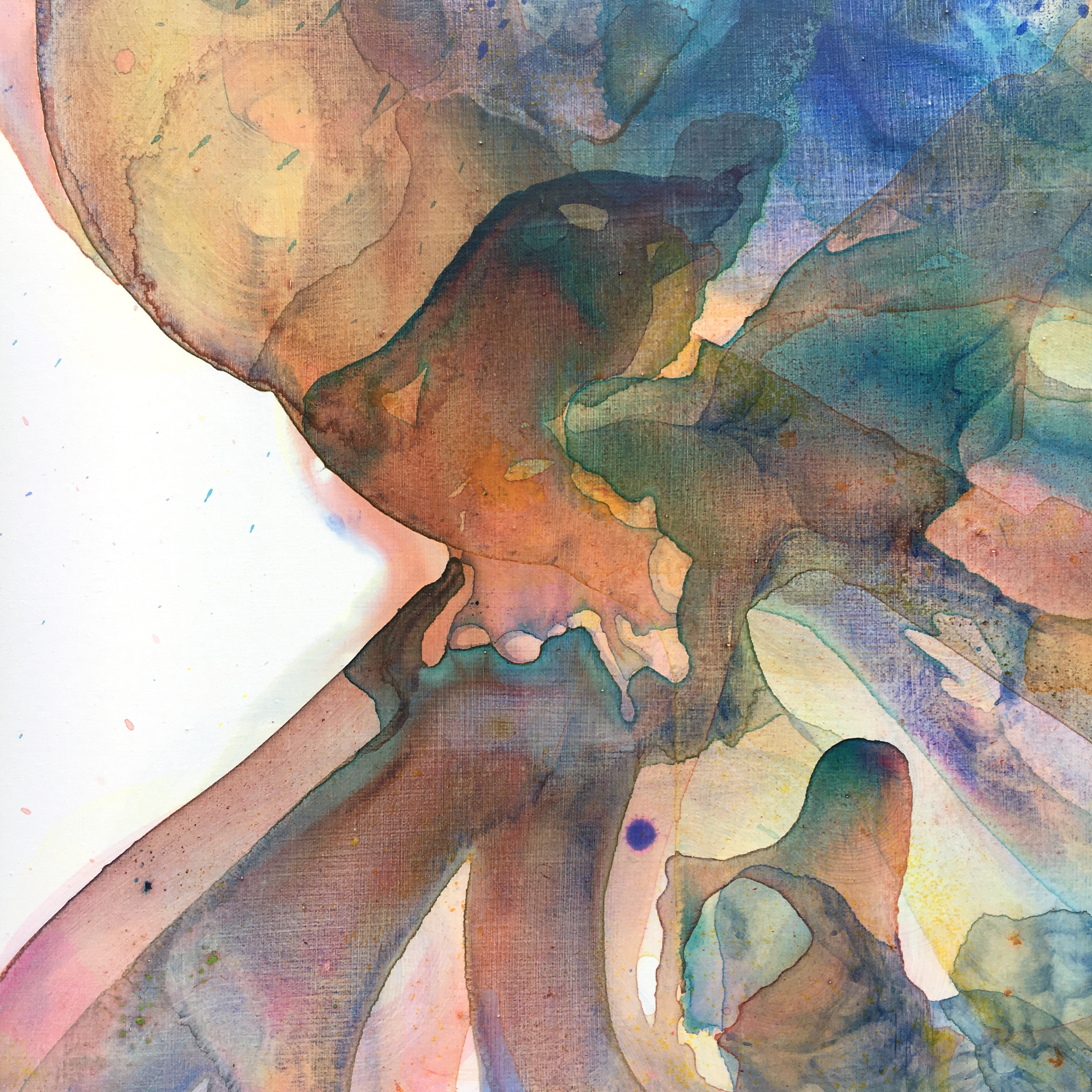
12. What can you tell us about your painting process ?

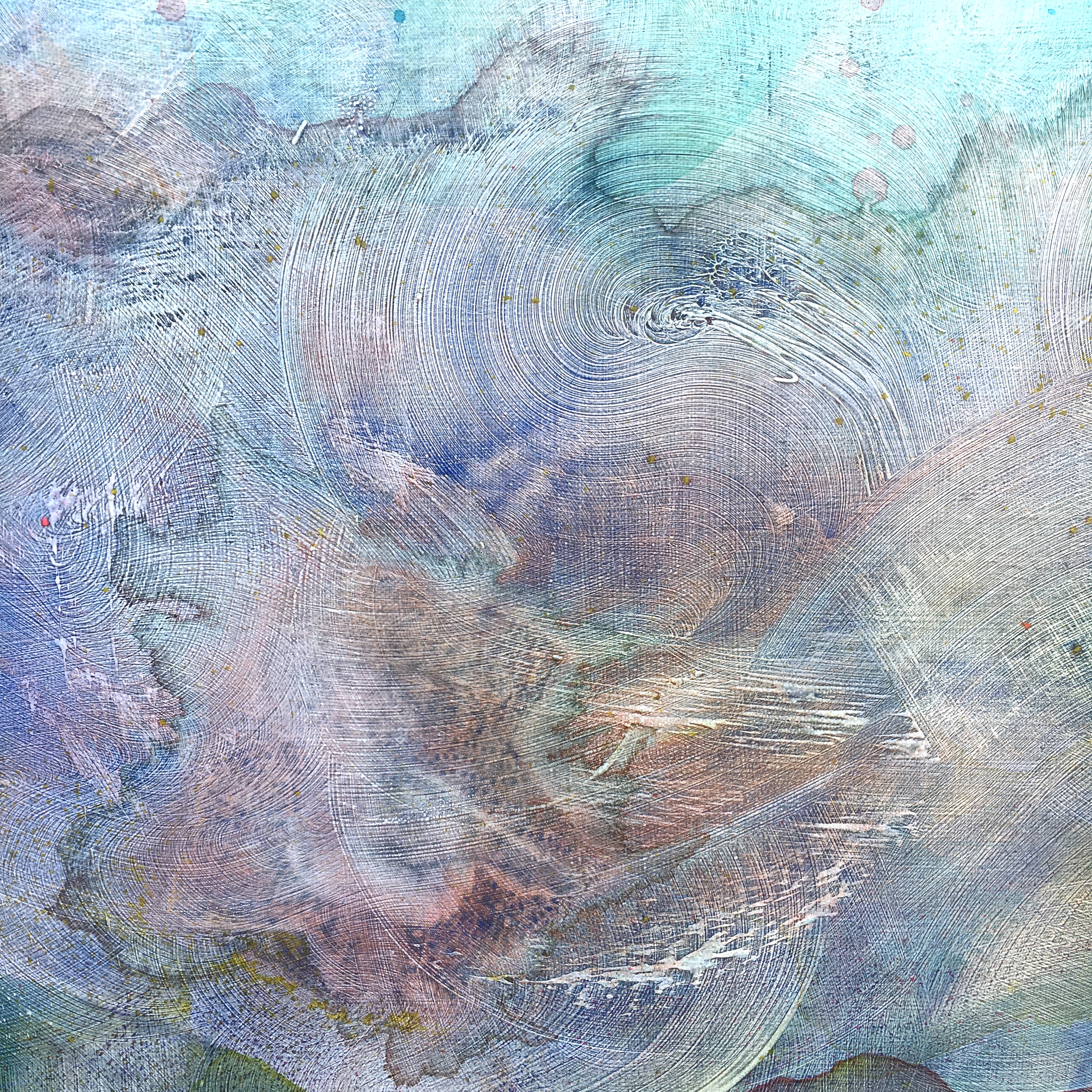
Chun Mi-Jin : First, I prepare a canvas and clear my mind while listening to my favorite music.  I usually listen to classical and jazz music.  I try to start my work with good spirit.  Whenever I see a new white canvas, I have a mixed feeling which combines excitement and calmness, I believe any artist would feel in a same way though. I prefer to work with water-soluble paints.  It fits well with my tendencies.  With a couple of deep breath in front of my canvas, I start to work on colour. Sometimes, I start to draw a few small drawings or try to make small objects beforehand.  These motifs lead to my canvas works. While I work on my project, in many cases, there are many changes coincidentally.  This accidental expression can change the atmosphere or form of colour.  These accidental effects make my work richer.  I want to maximize the synergy effect that occurs when the improvisation and the original idea meet.
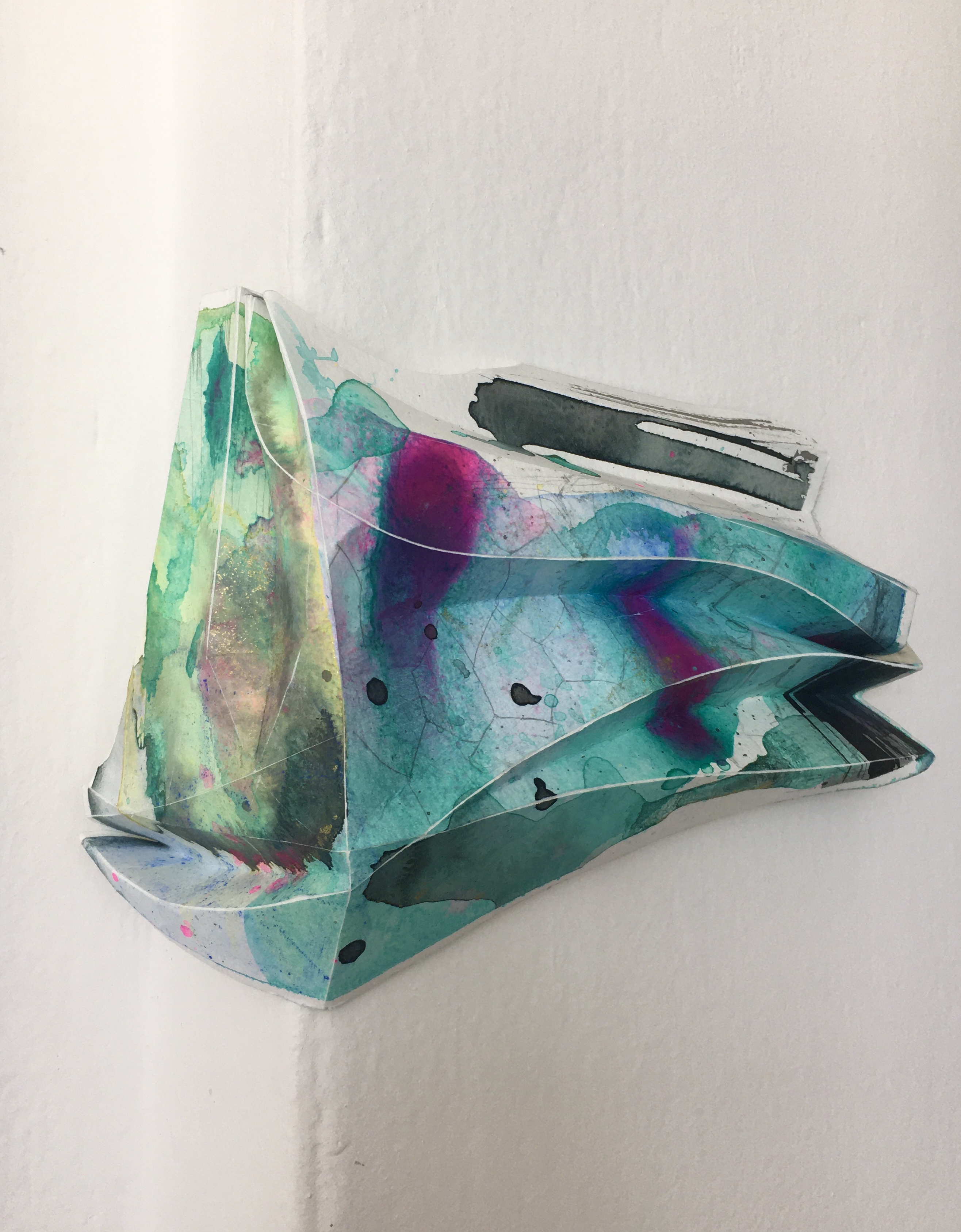
13. What are your favourite tools and materials for working ?

Chun Mi-Jin : My favourite ingredient is water. I like to use materials which is related to water.  In general, water-soluble paints and materials are mostly used in my work.  As I live close to the beach, I get interesting ingredients from the beach, such as round shaped sea stones from the Tiguglio sea which are carved by the waves and tree branches that have been floated into the water from afar.  Drawing with these natural materials gives me good energy in my work, which makes me mentally rich and care free.
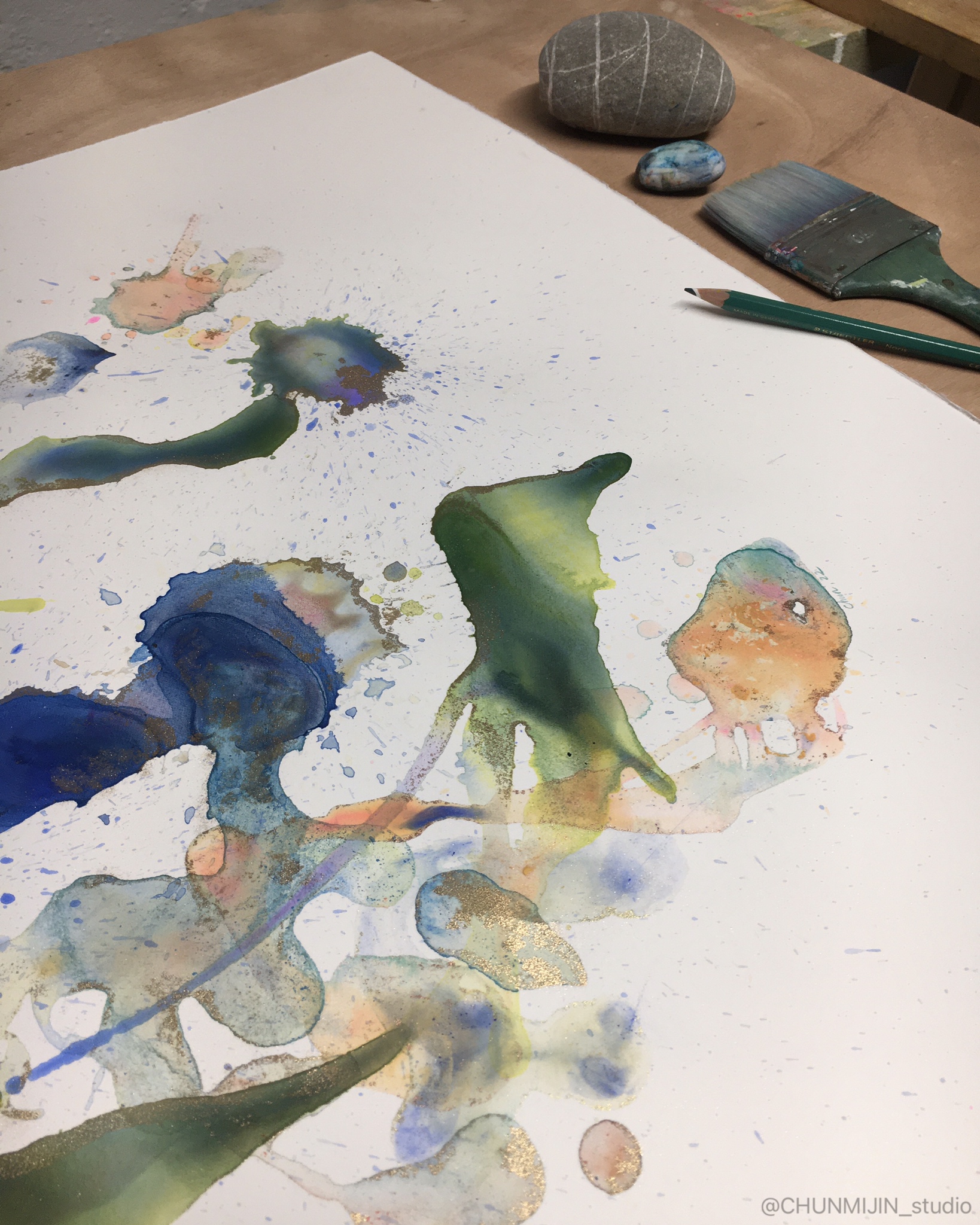
14. As an artist, what is your vision of the world ?

Chun Mi-Jin : My vision is to provide viewers how to approach their lives meaningfully through my artwork. Also, I wish my appreciator to have an insightful point of view on their lives through artistic contemplation.
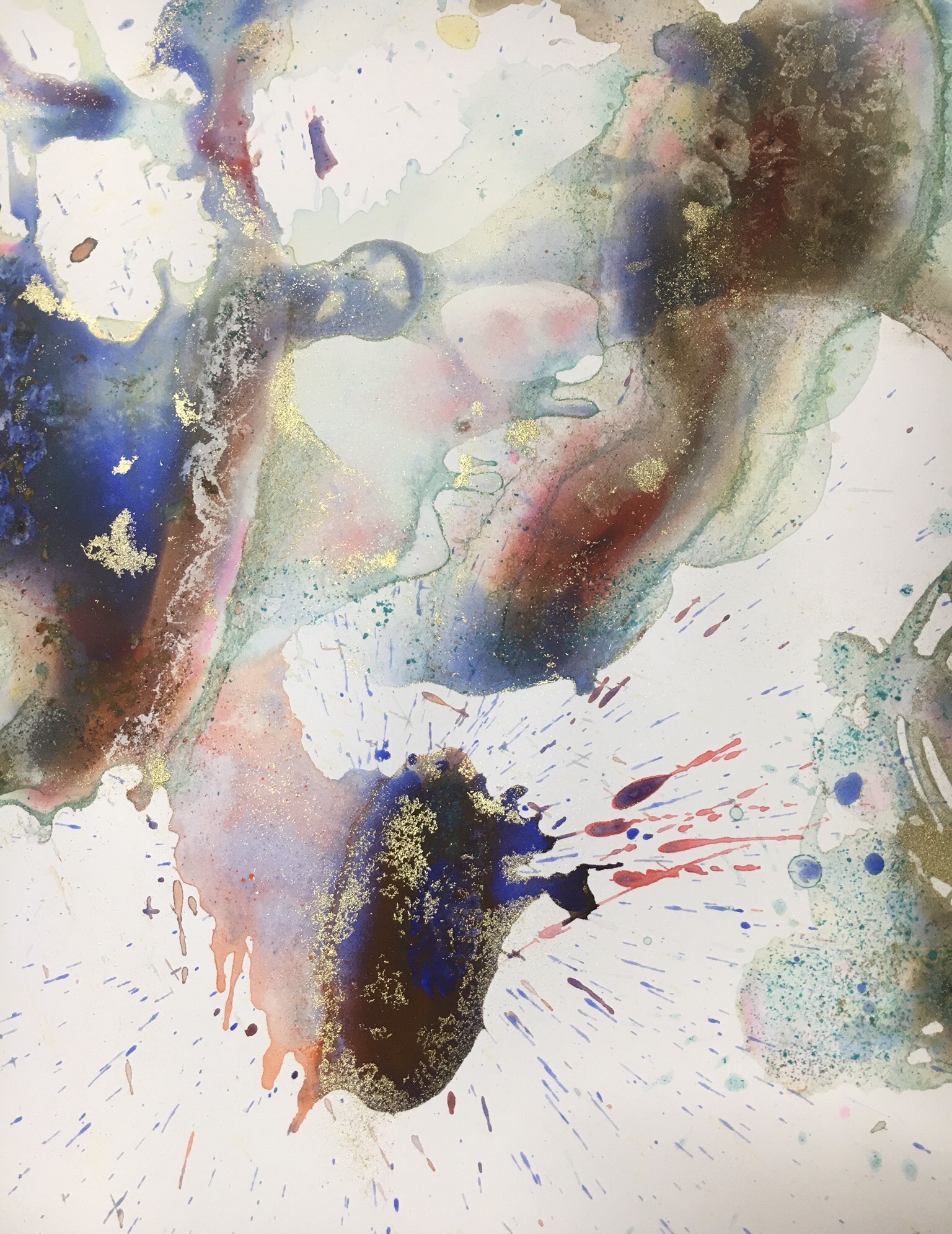
15. What’s your relashionship with colour & space ?

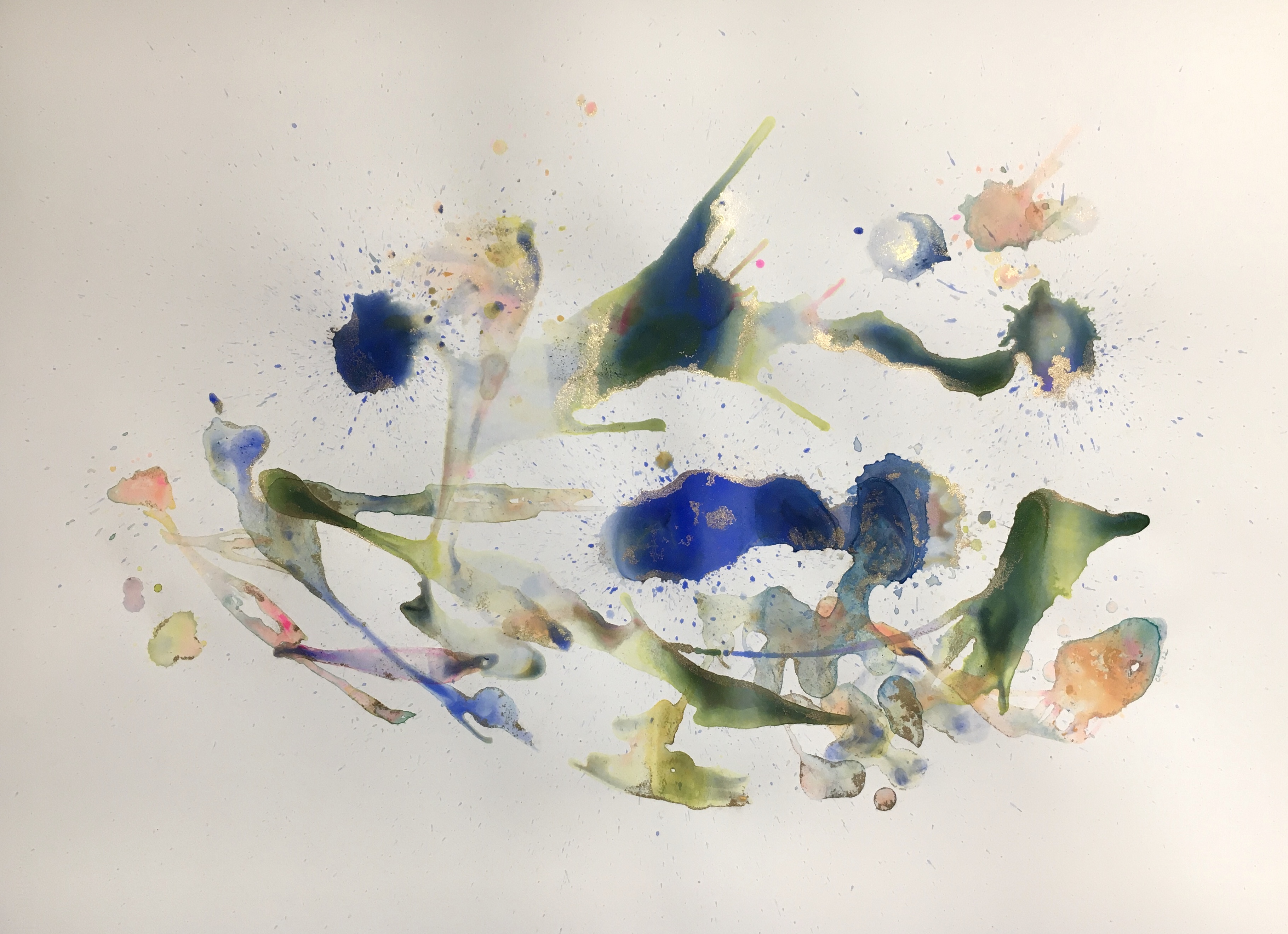
Chun Mi-Jin : In my work, colour is a medium that captures the various emotions of a space.  The memory of emotions experienced in space is expressed through colour, and the formativeness that appears in the mind and unconscious maximizes the mystery of abstract forms along with colour. I use various methods to express better these mysterious abstract forms, but these days, I am expressing perspective and space by superimposing thin and soft colours and making complementary colours intertwined and mixed with each other.  If you keep looking, the colors are connected to each other like a Möbius strip, so you can’t tell where it starts and ends.  This plays an important role in bringing out the rich emotions of the viewer through the sense of space of colour.
16. What are your future projects ?

Chun Mi-Jin : In the short term, I am preparing for a group exhibition in Milan this year.  And I plan to hold a solo exhibition in two years. Starting in the fall, I am preparing for a new three-dimensional work.  As I majored in architecture, I plan to expand the scale and combine it with painting.  And I wish my works to be invited to the Venice Biennale and showcase my work in the Korean National Pavilion.  I hope that one day it will come soon.
More about Chun Mi-Jin

Art in motion with Erik Saglia

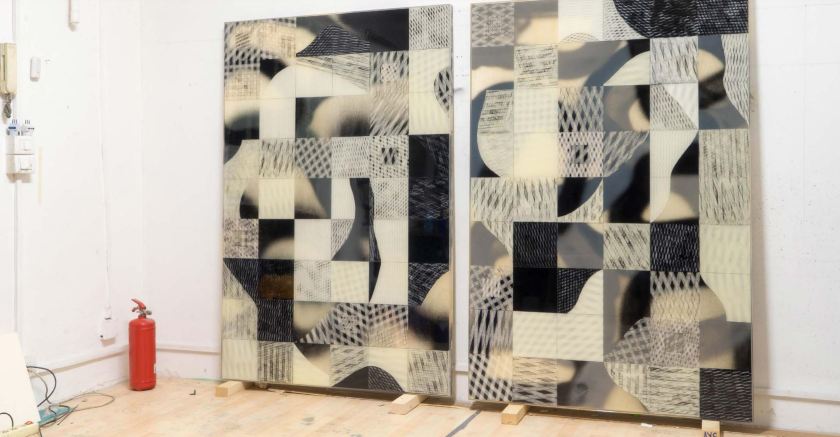
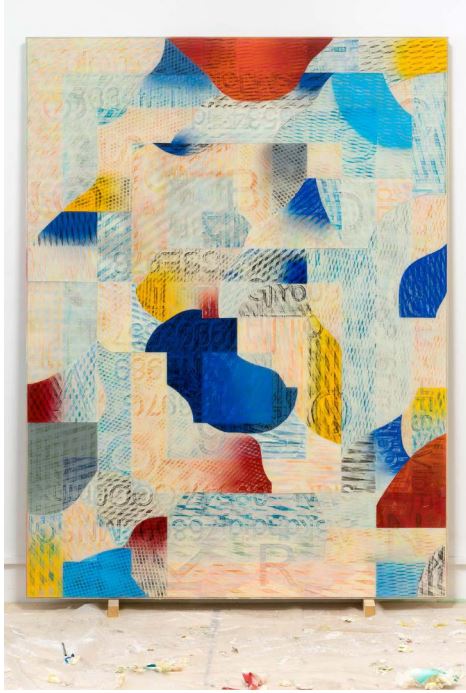
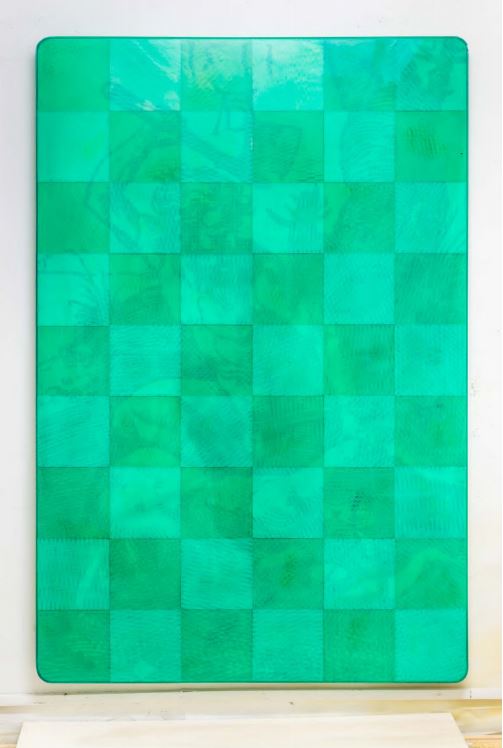
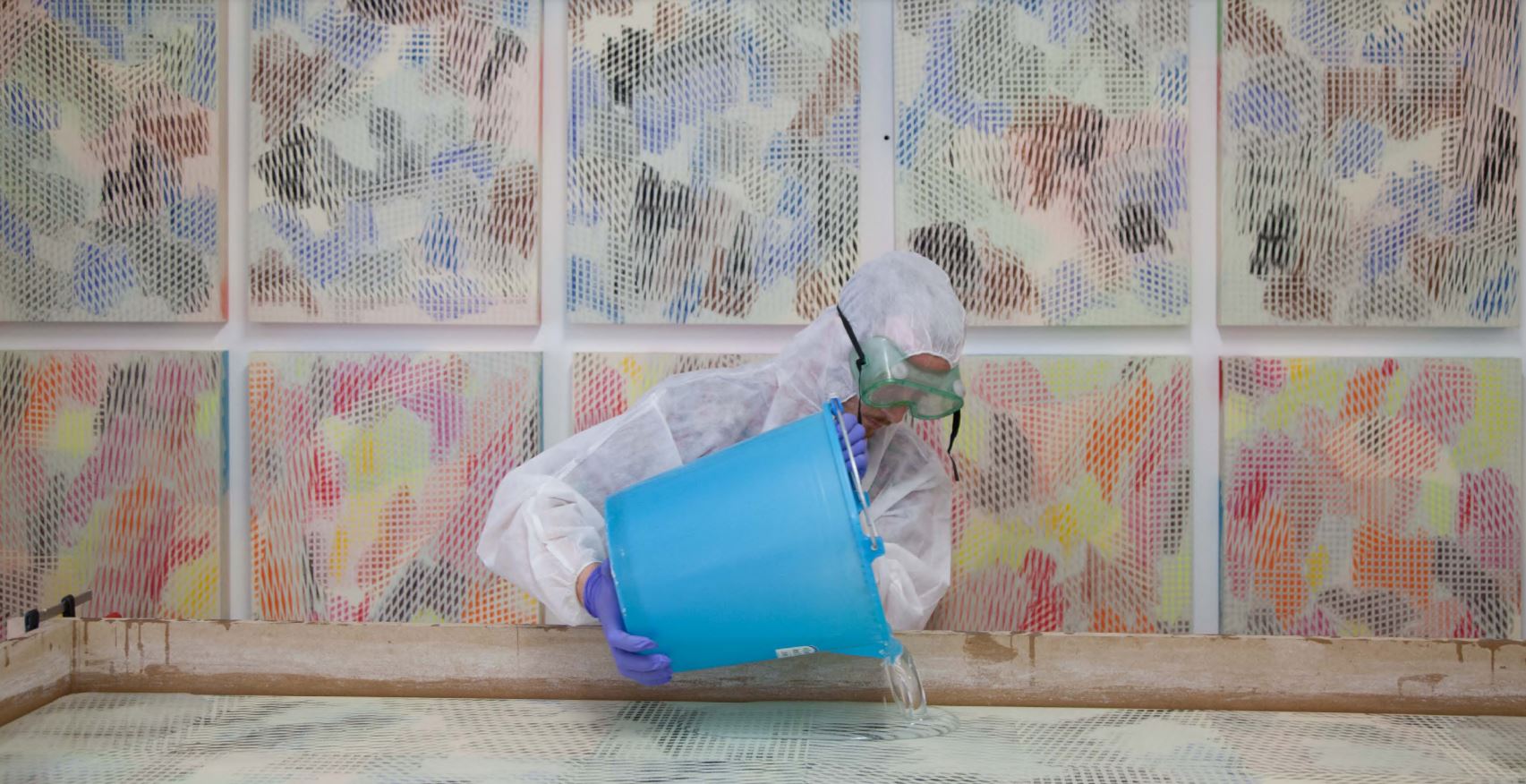
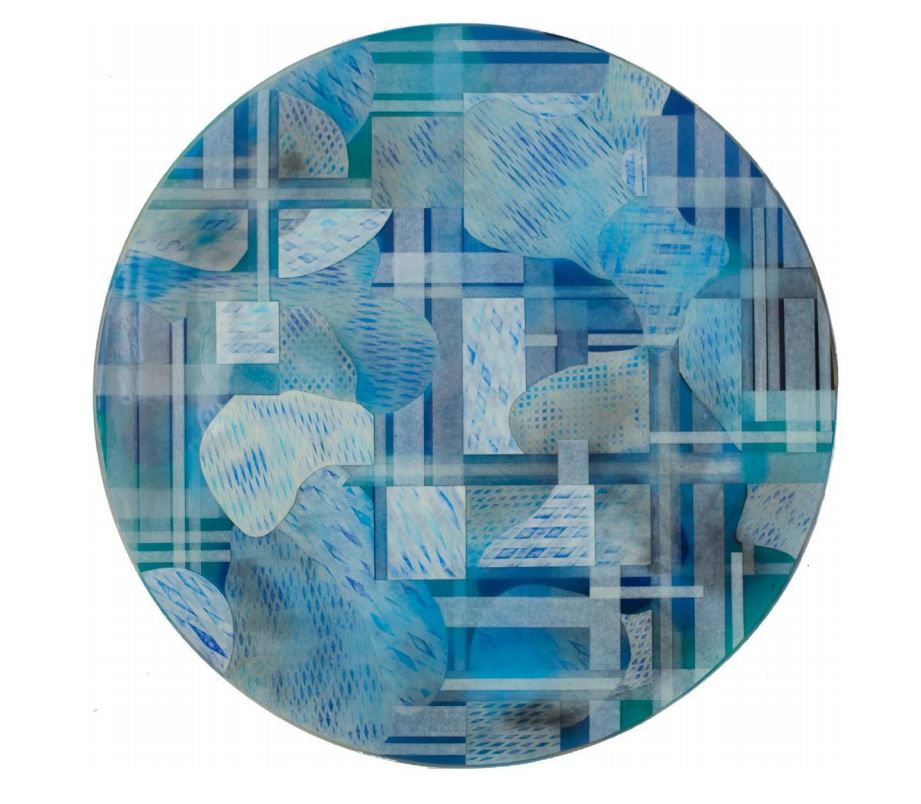
Born in 1989, Erik Saglia lives and works in Turin in Italy. In his early works Erik Saglia, starting with the implications of the “modernist grid”, emphasizes and restructures it replicating it first with graph paper and spray, then with adhesive tape, that, perfectly laid in orthogonal lines, covers the camouflage spots; the tape is stuck in a precise and rigorous way, submitting the body to the discipline of the exact gesture that contrasts with the free aggregation of the spots below.

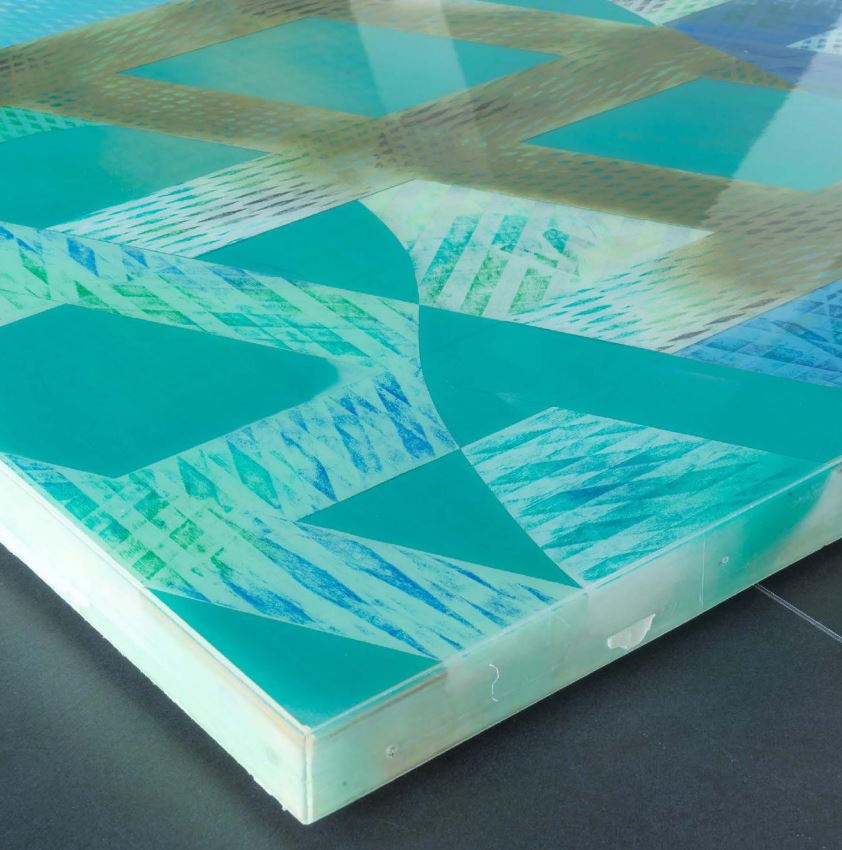
In the recent works, the strictness that seems to disappear with the smoother motion of tape come back thanks to the precision of applying resin, revived with an almost sculptural thickness. The use of materials, spray paint, tape and synthetic resin, seeks to renew the concept of surface, deleting every biographical and pop aspect reconnecting the work by Erik Saglia to the Spatialist research by Lucio Fontana and the lesson of Alighiero Boetti.

Erik Saglia has already participated at several group shows, among all: Too big or not too big at Thomas Brambilla Gallery (2013), Sphères at Galleria Continua Les Moulins in Paris (2014), Face to Face at Palazzo Fruscione (2016), and many others. He held his first solo show SNIFFINGLUE at Thomas Brambilla Gallery in 2014, and later he had a solo show, A.E Abstract Existence at BACO (2015), Ceiling 1 at Tile Project, Milan (2016) and SpazioBuonasera (2016). In 2016 he had his second solo show at Thomas Brambilla gallery, Bergamo.

  1. Do you consider yourself as an emerging artist in contemporary art ?

Erik Saglia : The problem is to know how and when one stops being “emergent” in the contemporary art world. I’m Erik Saglia, I’m a painter, I’m 31 years old and I live in Turin.

2. How would you describe your style ?

Erik Saglia : Make-believe organised, tipping-toe aggressive, self-conservationist, colour-rhythmic.

3. Is there any person who has been significant in your breakthrough as an artist ?

Erik Saglia : My parents, who have been very supportive since the beginning. Marco Cingolani, my painting teacher at the Accademia Albertina di Torino. Thomas Brambilla, the gallery owner who I’ve been working with for the past 7 years.

4. Do you remember your first interaction with art ?

Erik Saglia : I was a very wild child and drawing was one of those things that kept me calm. I think this was my first approach to art.

5. Are you influenced by Italian heritage in your work ?

Erik Saglia : Yes, I think that all artists should be influenced by the Italian artistic heritage, and being Italian, I have no way out of it.

6. What mission do you paint ?

Erik Saglia : What I mainly look for with my work is being able to attract and to stop the gaze. This is something we are not able to do anymore. We skip images on our phones all day long, you look at one thing, then switch to another one, and then another one very quickly. My paintings actually try to avoid that. Being reflective every time you try to photograph them in order to immortalise them, it’s as if they scape. Each painting reflects your figure standing in front of it and everything that surrounds it, therefore in a picture it never shows itself really for what it is. It is only itself when you are in front of the actual painting and not an image of it.

7. What other artists influence you, both contemporary and historical ?

Erik Saglia : Lately I’ve been feeling very attracted to Albrecht Dürer and Giorgio de Chirico.

8. How did you first begin to develop your unique style ?

Erik Saglia : The story goes that the first time I used the paper masking tape was by accident. I was doing a collage and needed to paste something but I ran out of glue so instead I used some tape that I happened to have. I pasted the image by completely covering it with the tape and then I noticed a certain transparency that intrigued me. After this sort of artistic epiphany, I worked my way around  it, preserving it and perfecting it. This lead to what I do nowadays.

9. How do you nurture your creativity ?

Erik Saglia : I try to constantly keep a sharp-eye on everything that surrounds me.

10. What can you tell us about your painting process ?

Erik Saglia : For the last seven years, give or take, the process is nearly always invariable. I’ve been trying to use the same materials: wood, spray paint, paper masking tape, frottage with crayons or with oil pastels, and epoxy resin. I like the idea that by overlapping, creating levels and arranging them in completely different orders -as a Bach composition-, I allow these materials, antagonistic to each other, to coexist within a unique space. During the making of a painting, it has become almost a ritual moment when I pull the masking tape to create the grids. It’s a sort of meditation where my body movements become mechanical and repetitive and time is marked only by the sound of the tape that unrolls centimetre by centimetre.

11. What are your favourite tools and materials for working ?

Erik Saglia : It might seem odd but my hands are my favourite tool. I feel very passionate about the idea of doing everything myself.

12. As an artist, what is your vision of the world mostly in this global sanitary crisis we’re going through ?

Erik Saglia : I think that one positive aspect about this situation is that it’s been forcing us to slow down our life rhythm. In a way this makes us value what we do on our everyday basis. 

13. What’s your relationship with colour & space ?

Erik Saglia : I try to split my working time so that there are some moments or even days that I dedicate entirely to the space’s study. Nevertheless it happens that at a certain point the color depends completely on the space and vice versa. Working by layers and in a horizontal position, it gets hard to evaluate space and color in the making. I can’t back up and have a glimpse -as painters mostly do- of how the work is coming and its strengths and weaknesses. Though one thing that I might say about my work, is that as time passes I feel that color is less and less concealed within the grids. It’s as if the wefts and warps are slowly widening bigger and bigger.

14. Can you tell us more about the Abstract existence concept ?

Erik Saglia : If by Abstract existence you are referring to the catalogue of 2014, it was about a series of exhibitions curated by Valentina Gervasoni, Stefano Raimondi, and Maura Zanchi that took place during 2015 and 2016 inside the ex-conservatoire Donizetti in Bergamo. I was invited among other three artists, May Hands, Israel Lund, and James Hoff. Each one of us had a solo show and it was for that occasion that I created my first wall painting. The exhibition pondered about abstract painting developments taking under consideration two American and two European artists. During these years there was a strong interest towards an abstract painting comeback.

15. What do you do besides art ?

Erik Saglia : I recently bought a road bike to burn some calories that I take on by eating ice-cream.

More about Erik Saglia

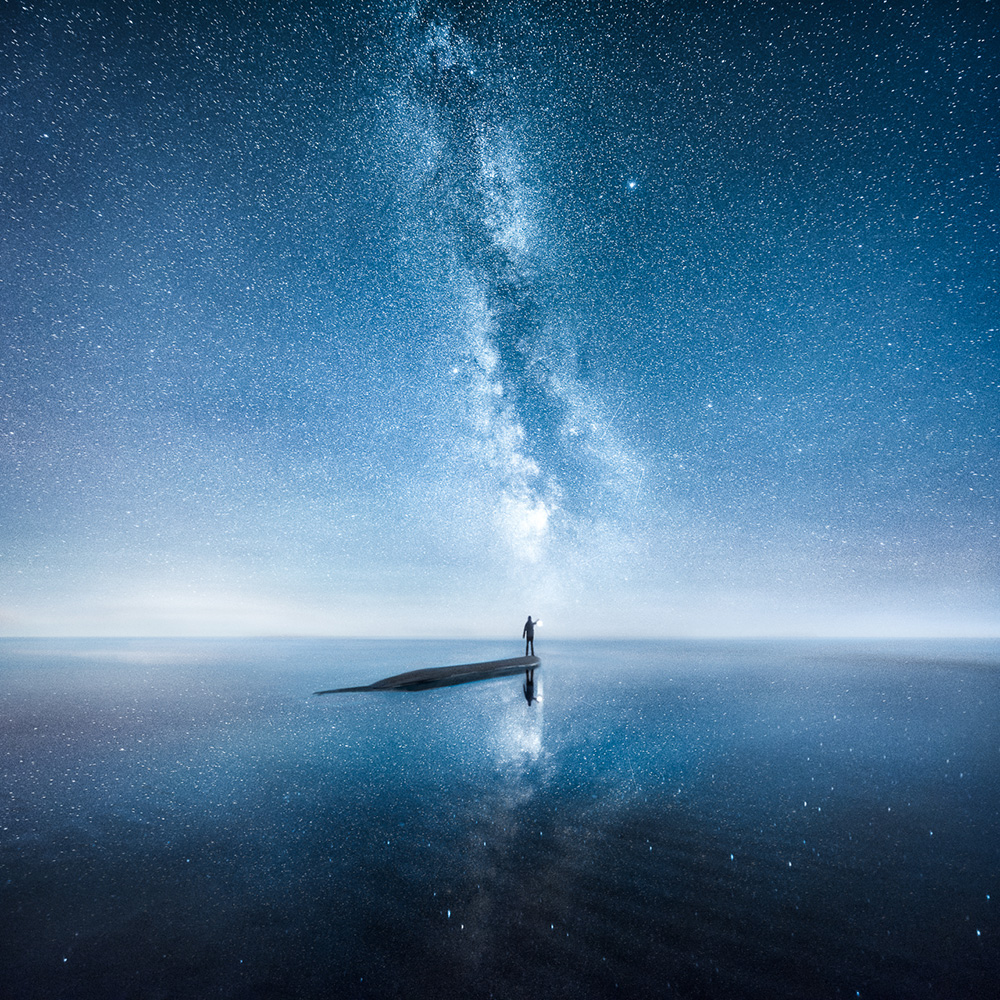
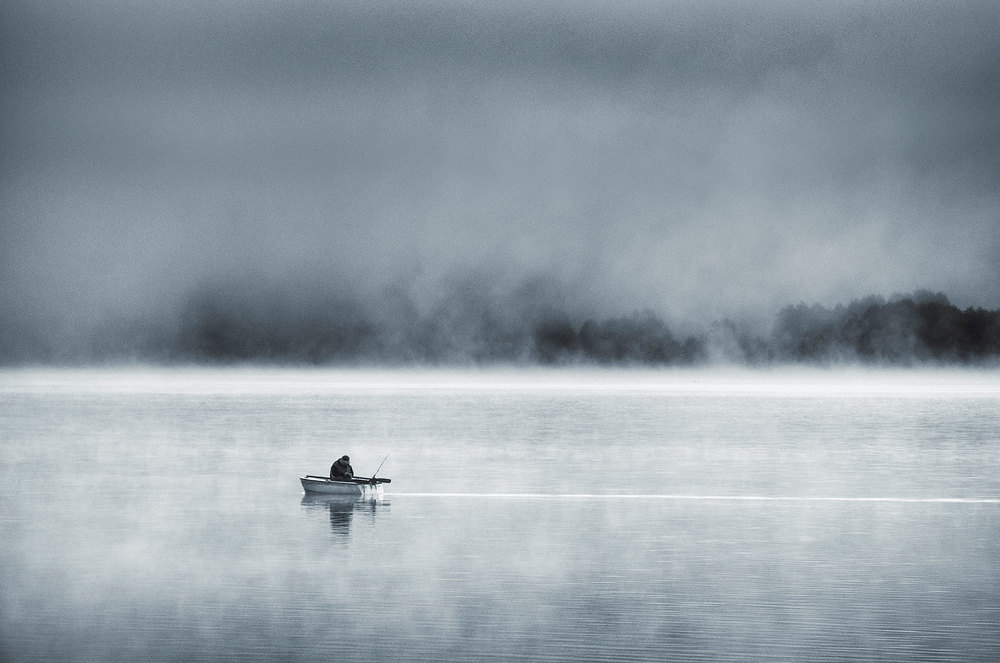
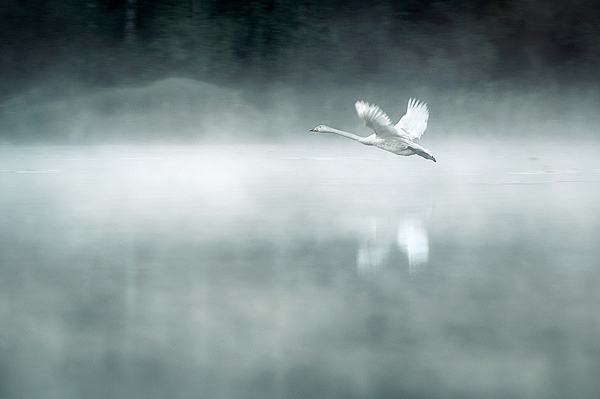
Mikko Lagerstedt, the Emerging into Light

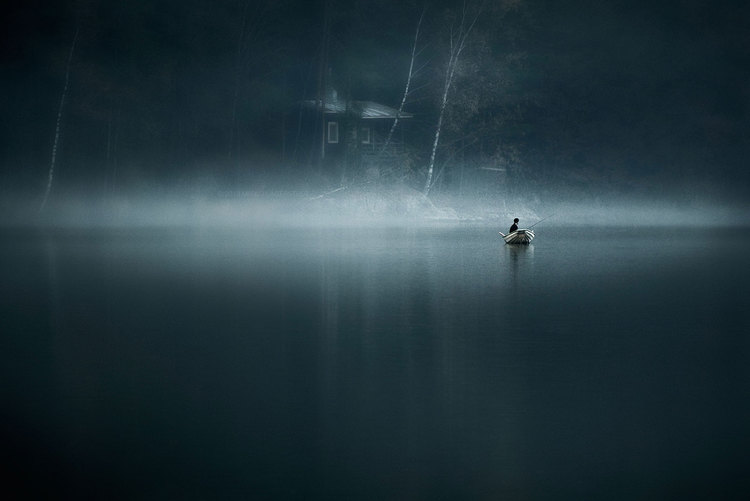
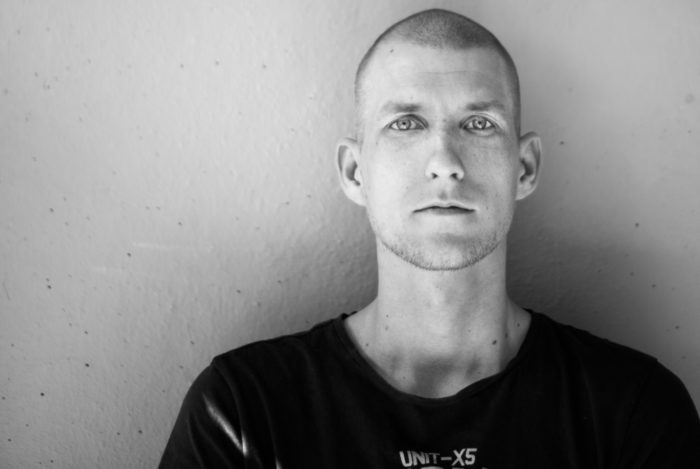
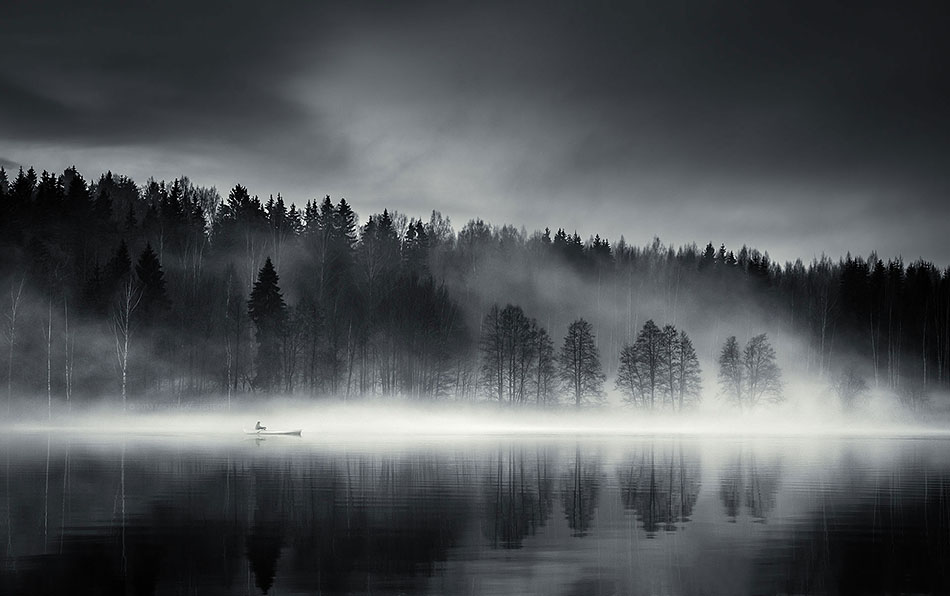
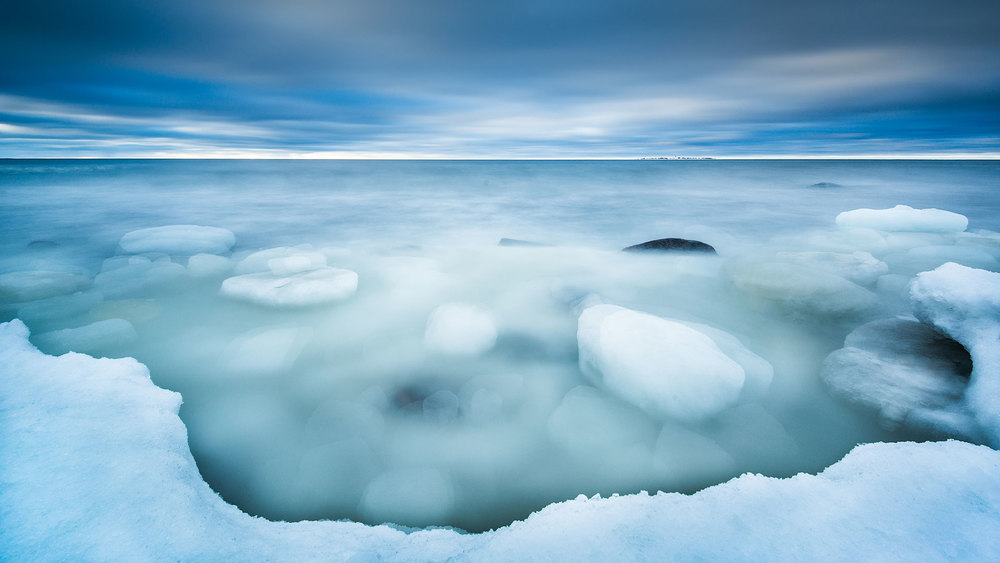
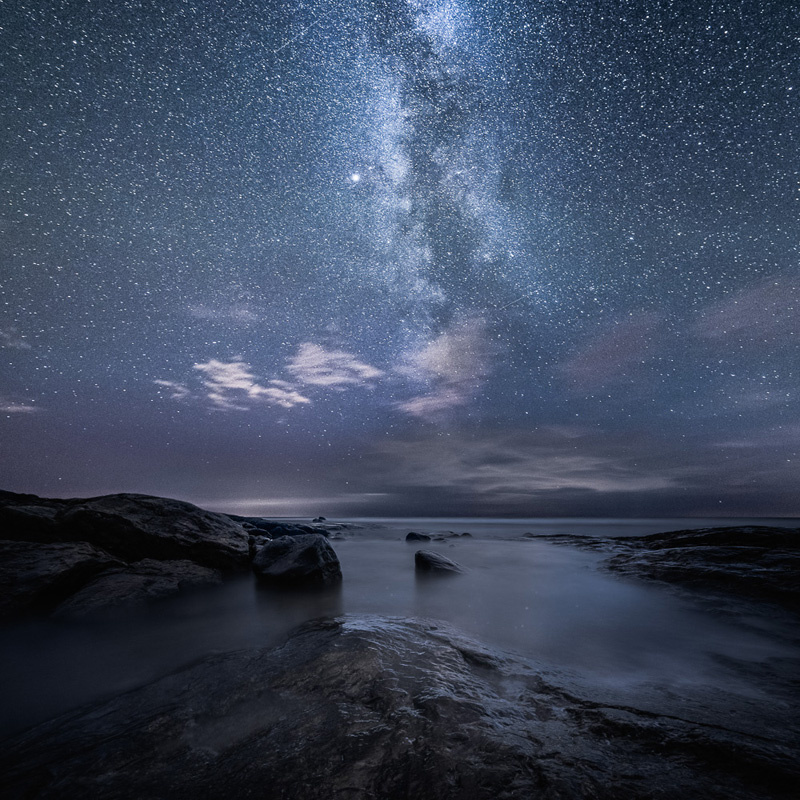
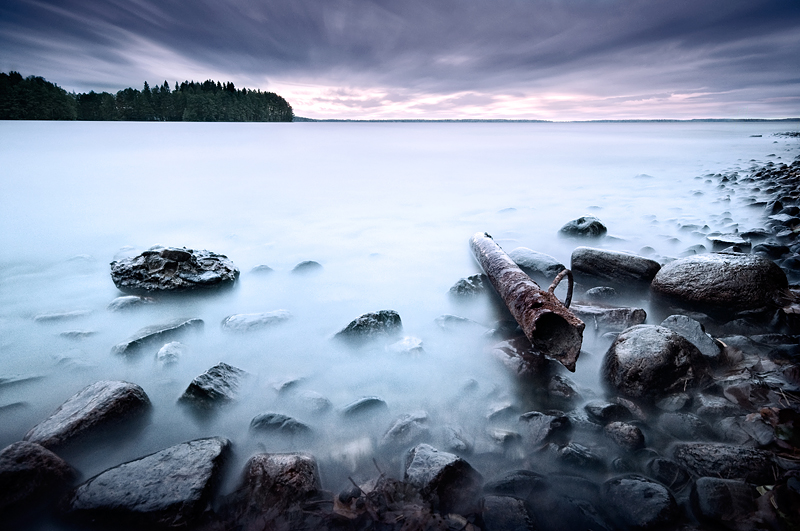
Contemporary artist Mikko Lagerstedt is an award winning fine art photographer from Finland whose enchanting photo series highlight some of Finland’s extraordinary landscapes. Mikko Lagerstedt is a 31-year-old self-taught photographer, who began taking his craft in 2008. He lives in Kerava just 18 miles from Helsinki.

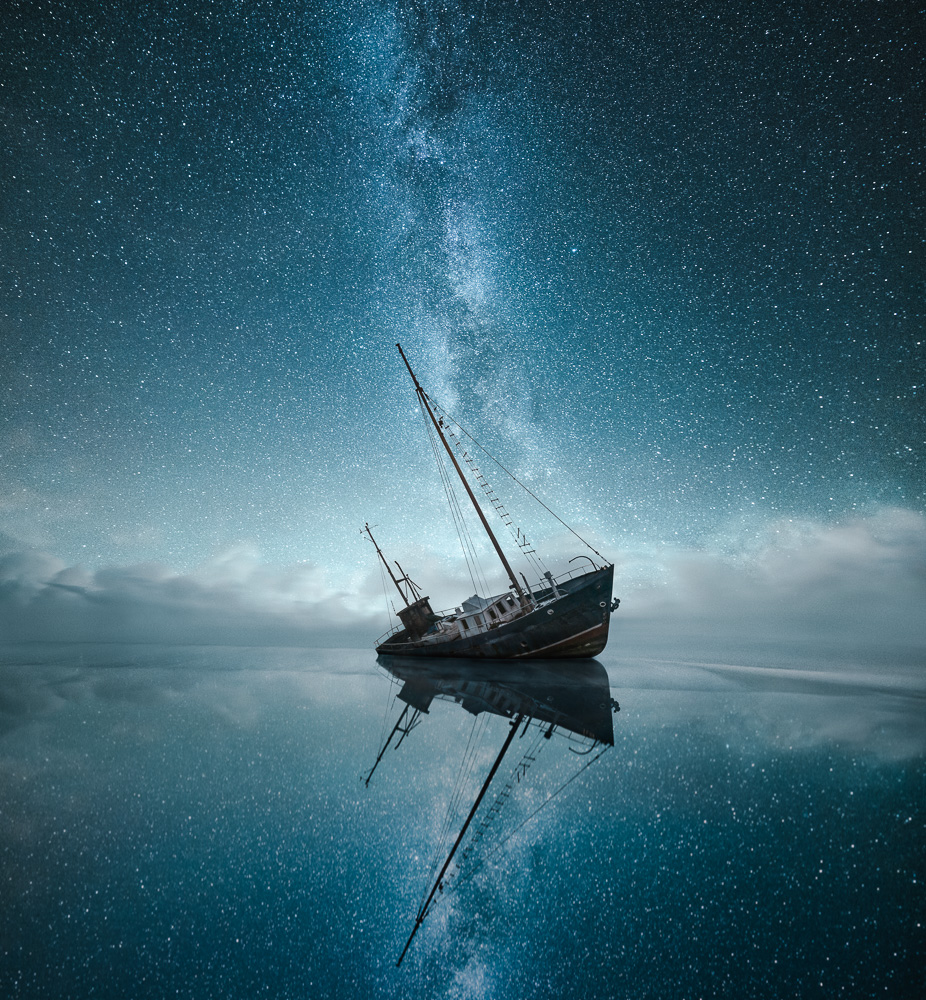
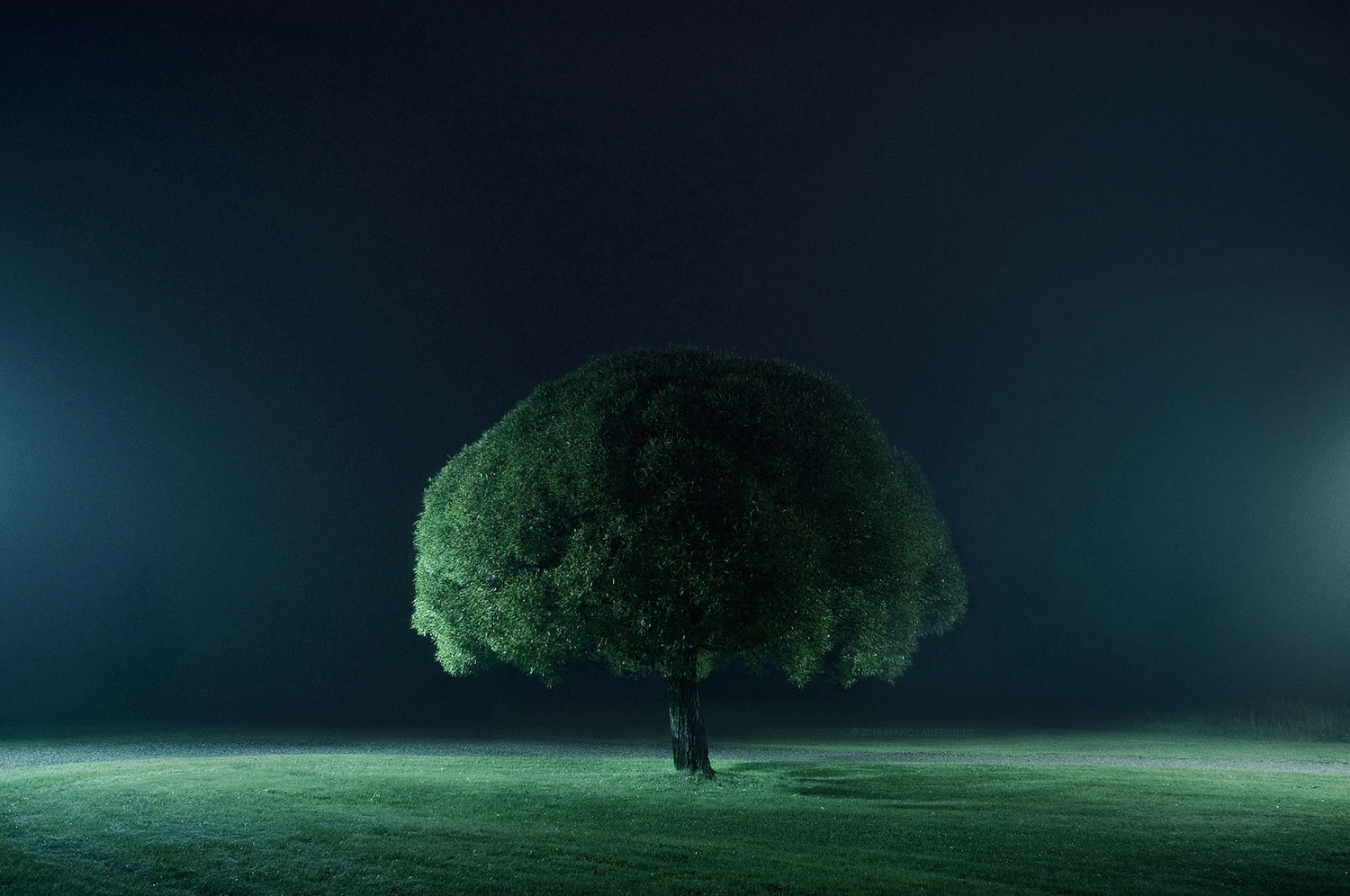
Capturing simplistic Finnish landscapes and fleeting moments, he strives to use his atmospheric vision to inspire people. His surreal and unique work manages to bring an absolutely breathtaking aesthetic that depicts the mystical and sweeping splendor of the Finnish countryside while capturing the emotion of the moment.

His photography has been featured around the world in book covers, magazines and in advertisements.

mikko-lagerstedt-moodywater

1. Do you consider yourself as a figure of contemporary photography ?

Mikko Lagerstedt : Not really, I feel that I’m just a photographer creating work that inspires me.

Mikko-Lagerstedt1600-700x469

2. How would you describe your style ?

Mikko Lagerstedt : Atmospheric landscape photography. A surreal look at how the World looks through my eyes.

téléchargement

3. What led you to photography ?

Mikko Lagerstedt : My first inspiration towards photography came to me on a beautiful summer evening as I was driving to my relative’s cabin in Southern Finland. A beautiful vista opened on a field filled with fog and sunrays. I stopped and stared at it and felt the need to start capturing those unique moments.

mikkolagerstedt_treeoflifeII

4. What has influenced you to create atmospheric photographs ?

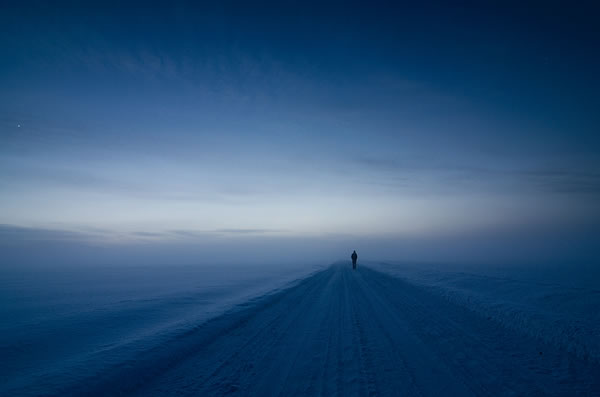
Mikko Lagerstedt : It’s something that comes through my past and how I see life. I think it’s because of many things. One of the things that might have influenced me is that I lost my best friend when I turned 18. It was a difficult time for me. I haven’t thought about it, but I believe our past experiences make our present vision. I also know that the worst weather sometimes gives the best photographs.
443293494

5. Félix Ziem, a very famous French painter in the style of the Barbizon school once said: “J’ai rêvé le beau ” (I’ve dreamed the beautiful). What does it mean to you?

Mikko Lagerstedt : For me, it means that we all have different perspectives on what is beautiful. It’s what makes you feel rather than see something.

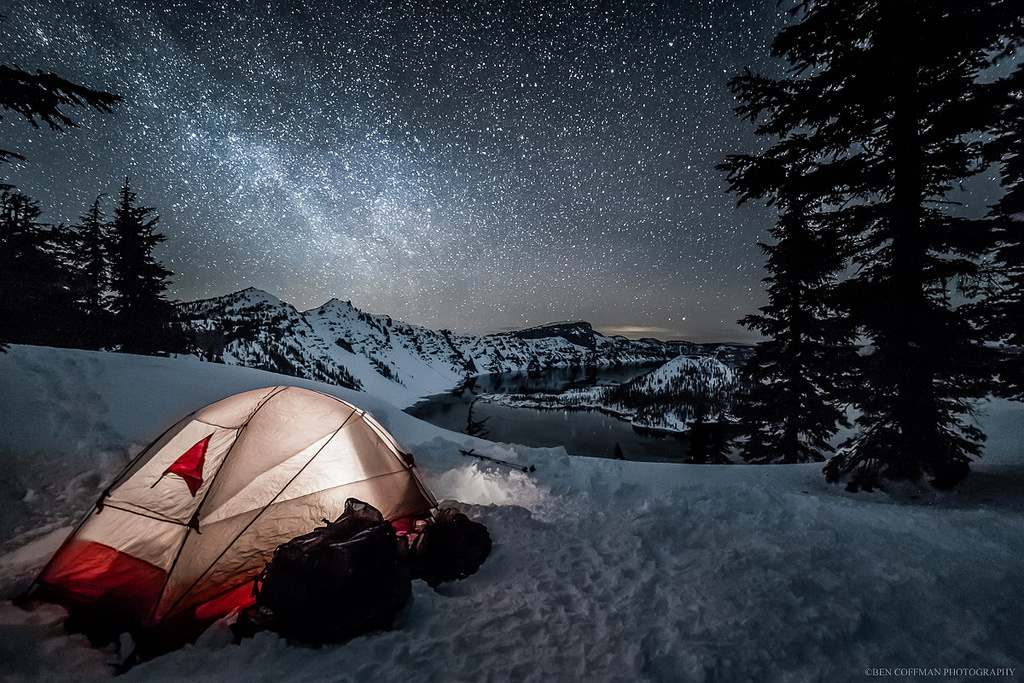
ben-coffman-photography-1

6. What’s your relationship with nature ?

Mikko Lagerstedt : I have always been a solitary figure, and I have always enjoyed spending time in nature. I do enjoy to be around people, but when I’m out photographing alone, I feel that I’m in my element.

mikko_lagerstedt_photographie_sombre_nature_4

Mikko_Lagerstedt_01

mikkolagerstedt_neverendingstory.jpg

7. How do you manage to bring this enchanting universe to your series?

Mikko Lagerstedt : I do what inspires me. I create how I see the World. I don’t overthink the process. I always try my best and push myself to the limits.

movement.jpg

8. Does “the Kalevala,” this epic poetry compiled by Elias Lönnrot from Karelian and Finnish folklore and mythology inspire your work?

Mikko Lagerstedt : I haven’t thought about it. However, I think there might be a connection on how we Finns look at certain things. I love some of the poetry. I might have to go and visit again to refresh my mind with Kalevala.

night-time-photos-of-finnish-landscape-by-mikko-lagerstedt-7.jpg

9. Which photographers have an impact on you ?

Mikko Lagerstedt : I love the work of Brooke Shaden, Joel Tjintjelar and Martin Stranka. Of course, they might have influenced my work somehow. It’s sometimes hard to see it for yourself.

mellow.jpg

a6f6d796c58f76c3cdacbee30a9558b6

10. What gear do you use ?

Mikko Lagerstedt : I use Nikon D810, D800, and various wide-angle lenses to create my photography.

Mikko-Lagerstedt-Decreasing-Daylight-3

11. How do you play with lights?

Mikko Lagerstedt : I mostly use available light, or if I’m feeling super crazy, I might use a headlamp or a flashlight.

Fragments-Digital-Landscape-Photography-by-Mikko-Lagerstedt-3243463

Mikko-Lagerstedt-5-667x944

12. What about your future plans?

Mikko Lagerstedt : I will continue to create work that inspires me. I also plan to build a community and influence more people by teaching photography and how to see the World from your unique perspective !

29f900d6fcb8bb60b5a80ad9865875a0

More about Mikko Lagerstedt 

Intuitively minimal with Yeachin Tsai

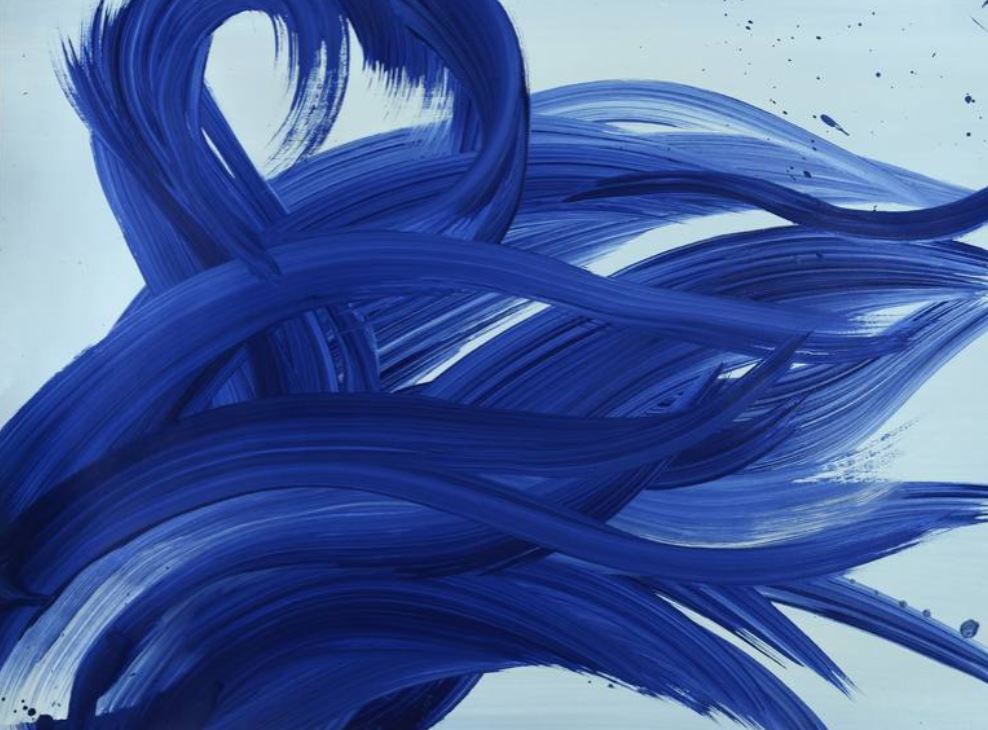
Yeachin Tsai is best known for her rhythmic forms and decisive brush strokes made with a certainty rooted in Chinese calligraphy, and the infinite time and space dynamics of Chinese painting. She received her BFA at the National Taiwan Normal University and she holds a Master of Fine Arts from Brooklyn College of the City University of New York.

Yeachin Tsai mostly uses ink and fluid acrylic on paper, canvas, and fabrics. The supports of the paintings are prepared to be absorbent like rice paper, so the color soaks in rather than sitting on the surface.

She generates tension with the intimate scale of the smaller paintings and their colossal internal energy. Her large scale paintings use big brushwork to draw the viewer in and then explode joyously with energetic color and invigorating mark-making. Her subjects cover both the visible, for example still life, and the unseen as abstract movements evoking inner activity and emotions.

Now based in upstate New York, Yeachin Tsai has exhibited her work at such notable venues as the Painting Center in Manhattan, the New York State Museum in Albany, and the Hyde Collection, Glens Falls, NY. Her original work and design are held in private and corporate collections around the world, including in the US, Canada, Europe, Africa, the Middle East, and Asia.

1. Do you consider yourself as an emerging artist in contemporary art scene ?

Yeachin Tsai: I feel at this time of the digital era, everyone is emerging, coming and going. I am just a humble, genuine soul using art as my medium to convey my life experiences. Nothing is new and nothing is old.

2. How would you describe your style ?

Yeachin Tsai: Modern/traditionalist. My work is deeply rooted in my culture. Especially in Chinese calligraphy training.

3. Tell us about your experience…

Yeachin Tsai: I’ve trained since a young age from my cultural background: traditional Chinese calligraphy and ink painting. Chinese is mainly a pictorial language of the Yin and Yang principle. Each symbol has its vibrant life. The empty space actually is an active, crucial component of the painting itself. The artwork is alive within the space and energy of those marks and colors, imbued with the spirit/intent of the artist.

While growing up in Taiwan, I had the fortunate opportunity to study traditional Chinese brush painting and calligraphy with several accomplished masters. Since I moved to NY three decades ago, I have incorporated that training into my experiments with modern materials and idioms.

4. Would you describe your artwork as minimalist?

Yeachin Tsai: In the busy modern life, a simple, restful image is soothing and spiritual. It uplifts people. In that sense, I would say my work is symbolic, bold, and minimal. 

5. Tell us more about traditional calligraphy and brush painting?  

Yeachin Tsai: Traditional Chinese calligraphy and brush painting are like classic Chinese poetry, it requires a certain form, and a lot of discipline. However, the most crucial point is the “spirit”, the Chi (energy) of the artist, which will be truthfully manifested on the paper, or on any painting surface. The practice is very meditative. It is an art form of mindfulness and awareness, and of course, playfulness and thoughtfulness.

6. Are your works a way of looking at time differently?

Yeachin Tsai: To me there is a term called “the fourth time” (a Buddhism term) – which means timeless; beyond time.

7. Do you feel like you carry a message about the value of illusion in people’s lives and their relationship to nature today?

Yeachin Tsai: Yes, I think we all live in various illusions according to our own versions of reality. We will have to find our own way to live in harmony with nature and seek truth if we can. That would be a meaningful thing to do.
8. What emotions do you want to trigger through your works?

Yeachin Tsai: A sense of openness, a sense of vastness, a sense of joy and peace.

9. The abstract figures in your paintings are colorful. Are they intended to awaken our souls to the essential, which is difficult to perceive today?

Yeachin Tsai: They are some humorous figures, like those around us, like my own moods sometimes. When I see myself, I seem to see all. Humanity is universal.

10. How does nature inspire you in your creative process on a daily basis?

Yeachin Tsai: Just like Jackson Pollock said: “I am nature.” I feel I am part of nature. I breathe the cold winter air, see the blue sky, feel the icy rain… all is nature. 

11. Do you consider your work as a dialogue between Chinese paintings and Western abstraction?

Yeachin Tsai: Perhaps. If I am genuine, this should happen organically. Since that was where I was from and where I am.

12. Which artists from the contemporary art world inspire you today?

Yeachin Tsai: There are so many. It is really hard for me to point to one in particular. I am inspired by many great artists from both west and east.

13. What is your relationship to transmission and legacy for future generations in relation to your art of calligraphy, in an era where everything is ephemeral, especially with digital technology?

Yeachin Tsai: Sadly time is moving forward, and digital technology is unavoidable. However, humans will always be human. We still have feelings we want to convey. It is just the forms we use will be different. It is like cooking, nothing can compare with mother’s home cooking, right? Something is always earthy and real, as a human being we won’t lost that touch. People will always use their hands to create some beautiful things.

14. Does French cultural heritage particularly move you?

Yeachin Tsai: I really cannot say I know too much about the French cultural heritage. I am deeply touched by the reopening of the Notre-Dame de Paris… That gives me hope for the strength of humanity. It is very symbolic and very moving. Yes, there is light in these dark times!

Into the Wild with Ellis O’Connor

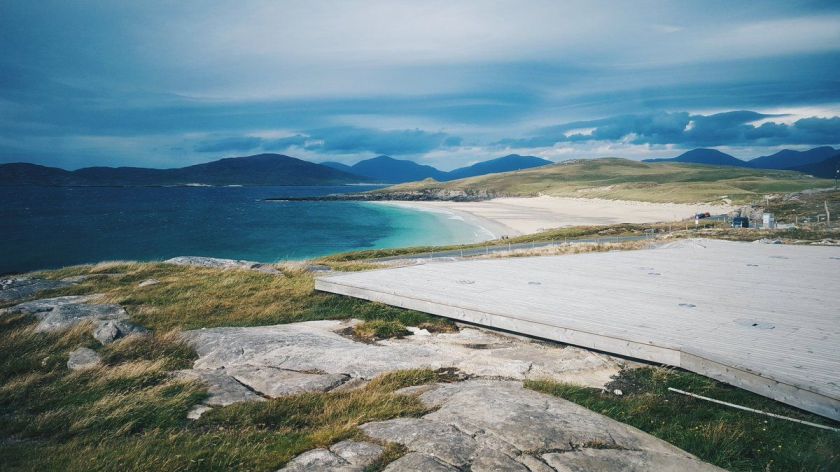
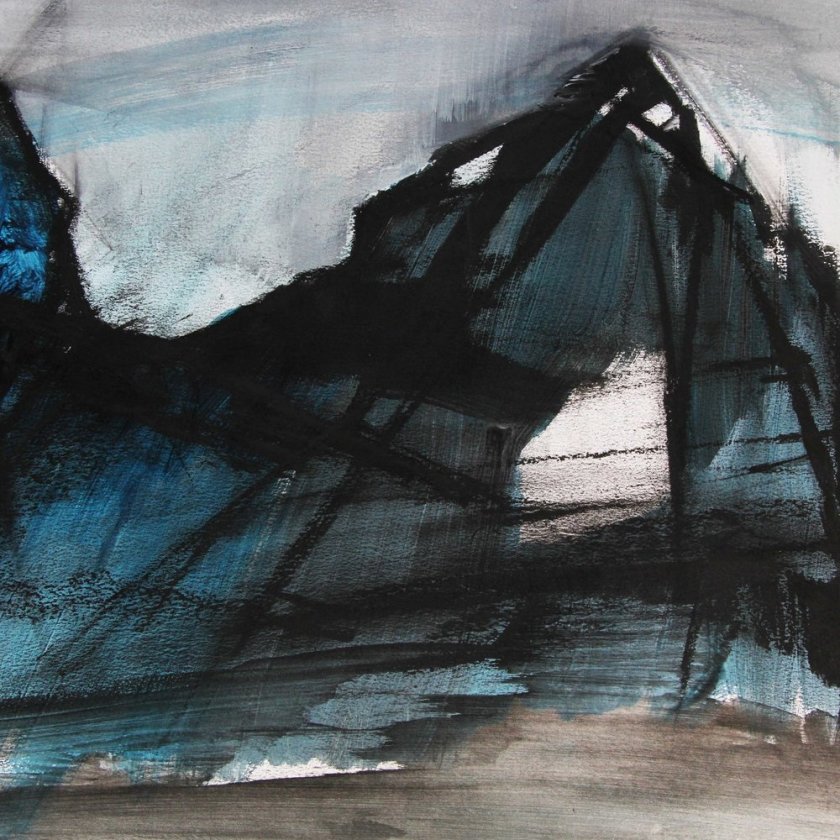
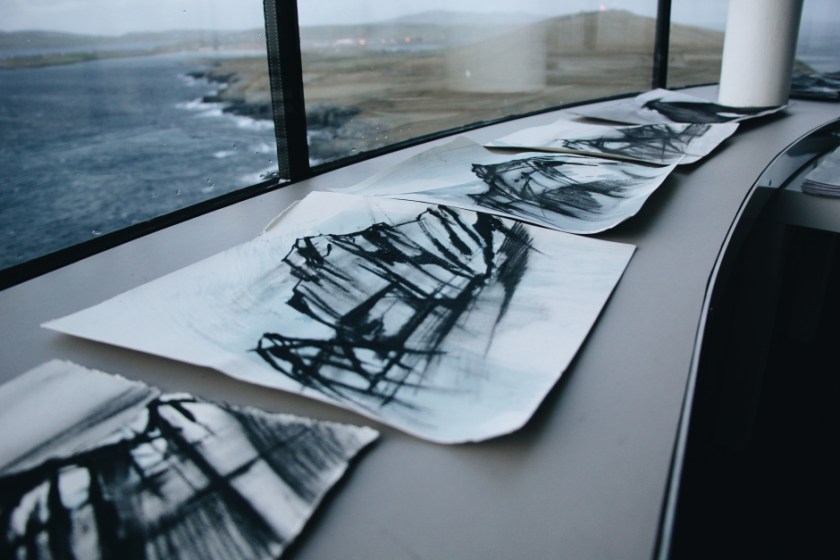
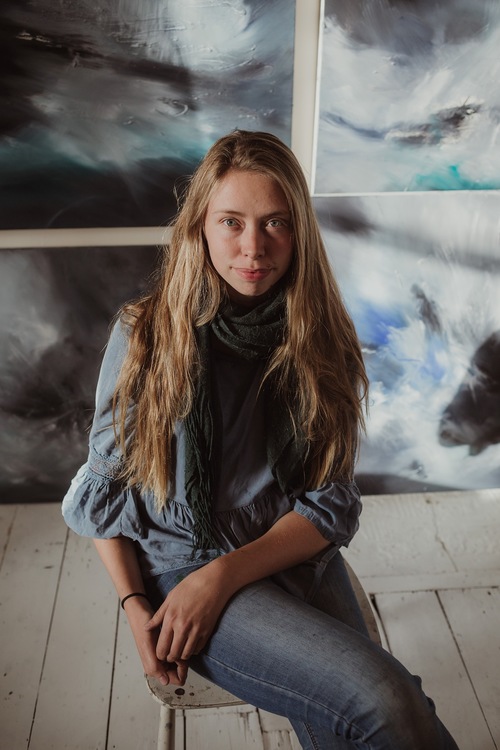
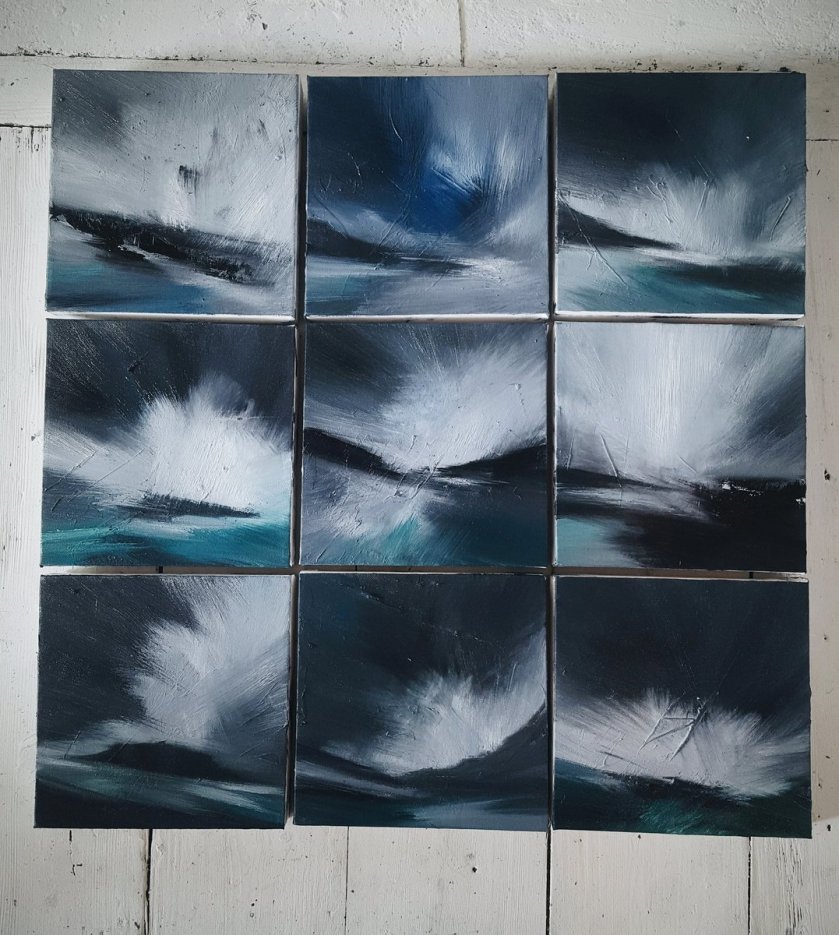
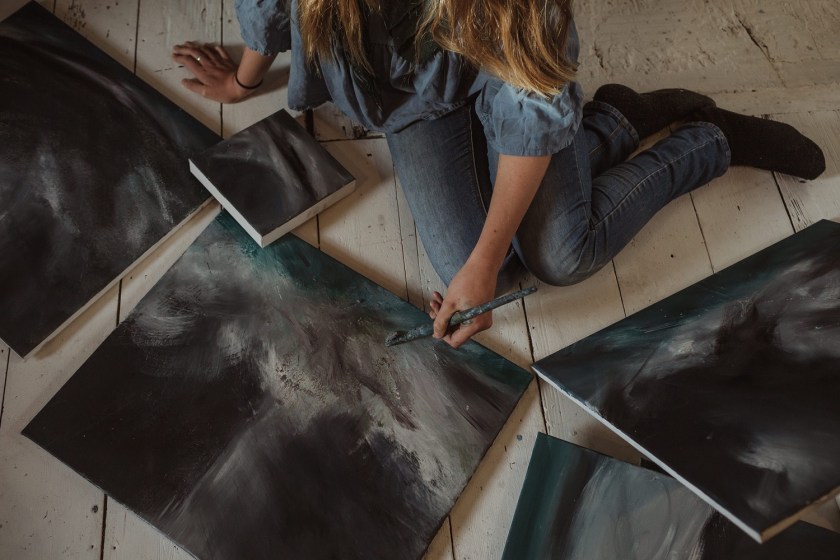
Ellis O’Connor is a Contemporary Landscape Artist from Scotland living on the Outer Hebridean Island of North Uist working in the field of painting and drawing. The dynamic energy to be seen in the paintings are Ellis’ response to observed changes in the landscape; ‘the movement and rhythms of the sea and the land … the merging of sea with air, advancing rain and mist, ever changing light – elements that seem to be about something intangible.’ In order to immerse herself in the environment, Ellis makes much of the artwork on site where extreme weather and the elements find their way into the pieces. Ellis describes the process of working outdoors in wild weather as almost ‘performative’.

Some of the pieces made on paper on site become the basis for larger works on canvas painted back in the studio. Here, Ellis usually works with oil paint, building up the surfaces using natural substances like sand and dried seaweed. By producing the art work she hopes it will give people a chance to connect with that landscape and respect the nature that is so wild around us, to then cultivate a deeper understanding and inspire others to make a difference. 

  1. Do you consider yourself as an emerging artist in contemporary art ?

Ellis O’Connor : Yes definitely! I graduated from studying my masters degree of fine art in 2015. It’s been 5 years since I’ve graduated and I’ve been self employed for the past 3. Even though I feel quite established with my style and I exhibit frequently throughout the country and further afield, I still very much feel like an emerging artist as I’m still quite new to the scene and still have lots to do!

2. How would you describe your style ?

Ellis O’Connor : My style is elemental, gestural, expressive, chaotic and full of energy.

3. Does your scottish nationality impact your connection to nature ?

Ellis O’Connor : Having some of the most beautiful and varied landscapes on your doorstep is a massive plus of being Scottish. A massive percentage of the country especially in the Highlands and Islands are home to some of the most incredible landscapes, unique ancient geology and a varied eco system. I grew up camping in the highlands and when I was studying at art school I spent a lot of time travelling the short journey north to gain primary source material for my practise, it’s so important to explore your own country and I know I sound biased but Scotland really is an amazing one to explore!

4. Do you remember your first interaction with art ?

Ellis O’Connor : I remember being obsessed with art when I was in high school, working on these very detailed charcoal drawings and just loving the process, the method and how it made me feel.

5. What contemporary and historical artists influence you ?

Ellis O’Connor : I have a list that I always go to for inspiration, these artists have inspired me ever since I began my degree at art school. Wonderful Scottish Artists such as Joan Eardley, Frances Walker and other artists such as Anselm Keifer and Barbara Rae !

6. How do you feed your inspiration ?

Ellis O’Connor : I’m very fortunate to live in a place where my inspiration is literally right on my doorstep. Living on the Outer Hebridean Island of North Uist, the full force of the Atlantic lies right next to my house, the storms roll in off the west coast, the skies are ever expanding and the wind physically moves you. It makes me feel alive and it is this very energy and experience of being in this environment that fuels me and I aim to put across in my work.

7. What’s your relationship with color ?

Ellis O’Connor : I’ve always used quite a limited palette of cold colours within my work and that is because of the places that I have travelled to! I spent quite a long time travelling around Iceland and the arctic through the winter after I graduated and these palettes have embedded themselves in my mind. I’ve always been more drawn to the big skies and the elements over the fields and more colourful landscapes.

8. What materials do you use ?

Ellis O’Connor : I predominantly use oil paint as I enjoy the texture and layered effect that it gives my paintings.

9. What is your vision of painting these days ?

Ellis O’Connor : To build up an evocative and true experience of being immersed in a wild turbulent storm. To recreate the atmospheric feeling of being in the environments that inspire me so much.

10. How do you use the visual language to challenge assumptions about the natural environment ?

Ellis O’Connor : By using my own methods of painting, my own style and putting across my own representation of the land around me. I aim to put across a different way of looking at the landscape, a unique kind of imagery and overall produce paintings to challenge ways in how we normally view the land around us.

11. What about your future plans ?

Ellis O’Connor : I’m very happy working day to day in my studio on the island where I live but it’s always important to get away to gain some perspective and to challenge myself with new inspiration and environments. The place that is on the top of my list to go to is Greenland and that may be happening quite soon actually!

More about Ellis O’Connor

Floating above reality with Fernando Gaspar

Fernando Gaspar is seen as a self-taught visual artist. Born in 1966 in Portugal, he began his journey through the drawing and practice of watercolor. Fully dedicated to the activity since 1986, the year in which it began to participate in shows and prizes, and to exhibit regularly in the main art galleries of the country, exploring and adopting other supports, materials and techniques, he had his first solo exhibition outside Portugal took in 1995.

There have been some National Prizes, collective participations and more than 50 solo exhibitions in Portugal and abroad. Over the years, the plasticity of Fernando Gaspar’s work has evolved towards an increasingly reflective and contemporary approach. So far, there are more than sixty solo exhibitions, some National Awards and representations in public and private collections in Portugal, Spain, France, Netherlands, Belgium, United Kingdom, Denmark, Sweden, Italy, Canada, Brazil and United States.

Fernando Gaspard has seen his works evolved towards an increasingly reflexive and contemporary approach , strongly marked by an assumed independence from current trends.

  1. Do you consider yourself as a figure of contemporary art ?

Fernando Gaspar : The echo of our work is felt at a distance and with a clarity never before experienced. It is natural, therefore, that the influence triggered by this work attracts the attention and interest of many people in places, circumstances, and moments that elude us. However, this does not guarantee a prominent position or the status of a “figure” in anything; instead, it allows, alongside personal work, dedication, and the honesty with which one works, for means to be made available to facilitate the knowledge, appreciation, and interest in my work. As a result, its importance becomes increasingly visible to a growing audience.

2. How would you describe your style ?

Fernando Gaspar : I am particularly interested in cities as a theme. Over time, my painting evolved into abstraction and contemplation of our time. I explore issues related to humanity, how we act upon ourselves and others, how we shape territories, and how history repeats itself. In recent years, my painting has delved more into color and scale. It has become more expressive and vibrant, characterized by large patches and strong brushwork.

3. Do you remember your first contact with art ?

Fernando Gaspar : In the house where I was born, there was always painting, thanks to my grandfather and father who were painters as a hobby. There were always paints, canvases, and papers. We visited exhibitions and traveled to museums. It’s really difficult to remember the very first time I had contact with art, but it was definitely during my early years in life.

4. What led you to painting ?

Fernando Gaspar : All the circumstances that surrounded my childhood regarding the contact with art were decisive for me to realize that it would be my territory of action. What I wanted to do, what provided me with the best understanding of the world and of myself, was always very clear to me. Artistic creation was always my first and only choice. Painting, being my primary form of expression, is a result of those early times and that primordial contact.

5. How did you learn your technique ?

Fernando Gaspar : The creative impulse and a tremendous need for independence and freedom traced the first lines of my journey. In a still early time of formal academic decisions, I chose to forge my own alternative path of self-discovery. My education in this field is the result of self-teaching and the incessant pursuit of processes. I have dedicated my entire life to this search and learning. Throughout these 37 years of continuous work, I have accumulated thousands of hours of experimentation and practice.

6. To what extent have your Portuguese roots influenced your work?

Fernando Gaspar : Perhaps this geographical circumstance, the transition from a Mediterranean to an Atlantic culture, embodies a certain idea of a place like Finisterra. It’s a place that opens up to the sea and serves as a gateway and exit between geographies, cultures in search of one another, a historical site of encounters and fusions. This fact determines and constructs a poetics of dialogue, sharing, and acceptance. Perhaps that’s why creativity became a tool for me, with art being the product of this exercise in self-understanding.

7. Your practice seems independent from current trends…

Fernando Gaspar : This independence arises from the circumstances in which my journey began and has developed over the years since then. The fact that I did not enter formal schools, follow conventional and accepted methodologies, made me, as a creative entity, a kind of lone wolf, an orphaned author with no artistic family or stylistic relatives. This circumstance marks my attitude towards my work and itself as a visible result. I have always been forging my own path—I do not follow. I have always rejected aesthetic massification and the dictatorship of taste imposed by influencers and trendsetters. I have trained myself to reject ease and frivolous trends, pyrotechnics. In art and in life.
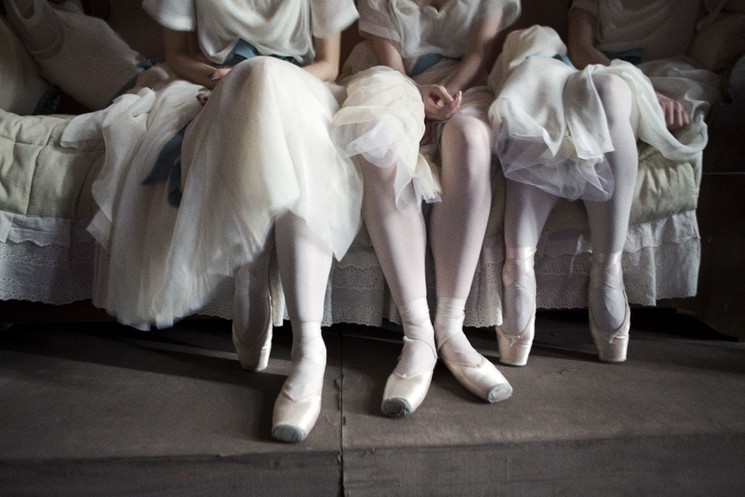
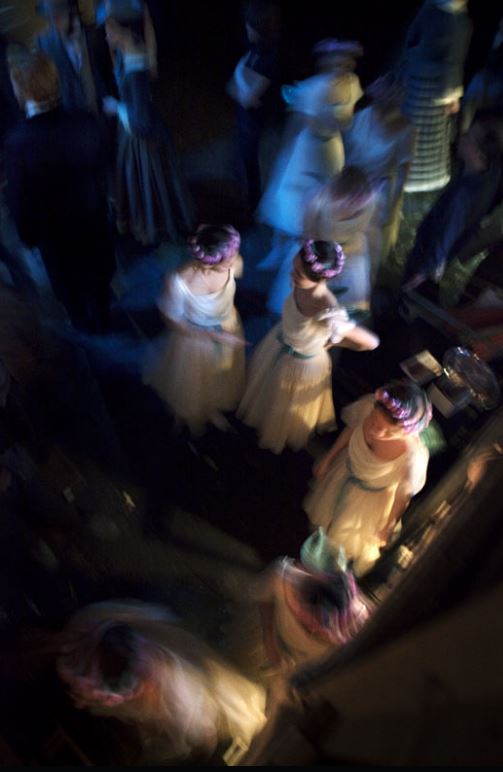
8. Can we consider your art as a constant dialogue between the visible and the invisible ?

Fernando Gaspar : Increasingly so. With the experiments of the European artistic vanguard and some steps taken in science at the beginning of the 20th century, there arose an awareness that certain concepts previously considered certain and concrete were now questionable and in need of a new form of formal and theoretical “representation.” In art, abstraction provides the best response to this growing need, uniting and relating the visible and invisible dimensions of society and the world, establishing a new grammar for understanding them.

9. What does being a contemporary artist mean to you ?

Fernando Gaspar : An artist should be an active agent, producing a discourse, defending a cause. For this, it is essential to belong to the temporal framework of one’s intervention. Only in this way can the conditions of intimacy and sensitivity necessary for the interpretation of phenomena occurring on various levels (artistic, social, political, scientific, religious, etc.) be gathered, and as an artist, one should feel compelled to make a reading of them. This reading and the distillation it produces will result in work that is more useful and plausible the more engaged and involved it is with its time. The contemporary visual artist should embody these qualities and aptitudes.

10. What inspires you ?

Fernando Gaspar : Different things at different times. I have been involved with a series for 6 or 7 years, driven by the drama of immigrants and refugees. I have worked on a series of paintings and sculptures inspired by a book. Currently, I am developing a completely different body of work; this series was clearly inspired by the forms and colors of gardens in the spring. I often say that it is always the last painting that inspires me for the next one… either because something is still missing or because I need to escape.

11. What’s your vision of our present time ?

Fernando Gaspar : This is a time of tremendous acceleration, a condition that promises to intensify. Everything is very temporary and fluid. Mutating and virtual. I acknowledge that I have some difficulty keeping up with this pace; due to my age, I have experience from other times that, although they also brought constant novelties and surprises, were at a rhythm that allowed for adaptation and readjustment. Now, the effort required for this adaptation, for the physical, mental, and even ethical processing of so many technological proposals and more, becomes greater and does not always yield the desired results. I fear that technology and its emergence will prevail over some of the values that have brought us to this point.

12. What are your future plans ?

Fernando Gaspar : I am currently involved in the filming of a documentary in the studio, something that has been ongoing since last year and has excited me greatly. I have plans to install an on-site public sculpture made of Corten steel soon; it is a piece that stands 8.5 meters tall and my first experience with this material. Then I have exhibitions coming up: a solo exhibition in September in London, another solo exhibition in Luxembourg, Portugal, and possibly China in 2024 and 2025. In the meantime, I participate in group exhibitions at the galleries that represent me and take on commissioned works.

More about Fernando Gaspar

La Gravité et la Grâce par Gérard Uféras

Gérard Uféras est né et vit à Paris. À partir de 1984, il entame une collaboration régulière avec le journal Libération, pour lequel il réalise de nombreux reportages et portraits. Il participe à la création de l’agence VU en 1986, et publie régulièrement dans la presse française et internationale. Parallèlement au photo-journalisme et à son travail de portraitiste, il réalise des campagnes de publicité, travaille dans la communication institutionnelle et réalise des séries de mode. Il poursuit parallèlement des recherches personnelles qui l’amènent à exposer dans de nombreux pays.

Passionné par la musique et le théâtre, lauréat du prix “Villa Medicis hors les murs”, il entreprend dès 1988 un long périple à travers l’Europe dans les coulisses des théâtres d’Opéra. Commencé à Paris et achevé à Moscou en 2001 celui-ci sera publié dans le livre ” Un fantôme à l’Opéra ” aux éditions du Collectionneur. Il rejoint l’agence Rapho en 1993. Suivent alors une série de grands travaux: “L’Etoffe des rêves”: l’univers de la mode réalisé dans toute l’Europe ainsi qu’à New-York, “The visit”: l’ile de Thanet dans le sud de l’Angleterre à la demande de la Cross Channel Photographic Mission, “Les coulisses du festival”: le festival du cinéma de Cannes, le Piccolo Teatro de Giorgio Strehler à Milan… En 2005 il passe une année entière avec le ballet de l’Opéra national de Paris. Pour l’édition en 2006 d’un livre publié à l’occasion de ses 150 ans, Saint Gobain PAM lui demande de réaliser les portraits de l’ensemble de ses 2800 salariés. En 2009 la Maison Européenne de la Photographie lui consacre une exposition rétrospective, «  Etats de Grâce », présentant vingt ans de travail. L’exposition « Paris d’amour » présentée à l’ Hotel de Ville de Paris pendant l’été 2010 accueille soixante mille visiteurs. En 2011 le théâtre du Bolchoï de Moscou ouvre à nouveau ses portes après une rénovation de six ans, un livre est publié à cette occasion avec une carte blanche donnée à trois photographes: Peter Lindbergh, Sarah Moon et Gérard Uféras.

Par ailleurs, la maison Dior lui demande de suivre toutes les étapes de création d’une collection haute couture, en suivra l’édition de trois ouvrages et une exposition itinérante. Habitué des musées depuis l’âge de douze ans, il décide alors de se concentrer en 2016 sur ces lieux de culture et entame un travail sur la plupart des musées parisiens et de nombreux musées dans le monde qu’il poursuit encore actuellement. Exposé au MAMM de Moscou, l’exposition accueille quatre vingt mille visiteurs. En 2017 le théâtre de la Scala lui commande un ouvrage sur sa compagnie de ballet, il y travaille pendant un an. Hanté depuis sa première visite par la magie du Bolchoï de Moscou, il décide alors de passer un an complet afin de réaliser une exposition et un livre. Gérard Uféras aime traiter ses sujets en profondeur et envisage la publication dans la presse, l’édition et l’exposition comme un tout servant à l’expression de sa vision intime d’un sujet.

Rencontre avec ce photographe poète de légende qui saisit dans les cénacles chatoyants de la création que sont les coulisses des plus grands opéras, des défilés de mode ou du ballet de Paris, l’acuité sensible et la magie de ceux qui l’entourent. Tout chez Gérard Uféras respire un savoir-faire qui sacrifie le paraître à son amour du beau.

1. Vous considérez-vous comme une figure de la photographie contemporaine ?

Gérard Uféras: La photographie est un médium qui a eu de plus en plus de succès ces dernières années. De nombreux lieux d’exposition se sont créés, une multitude de festivals ont fini par mailler l’ensemble du territoire et la photographie a acquis un statut qu’elle n’avait pas quand j’ai commencé mon parcours. La révolution du numérique a bouleversé le monde de la photographie tel que je l’ai connu à mes débuts. De nombreux jeunes photographes sont apparus et chaque génération de photographe est bien sûr influencée par ses aînés.

J’aime passionnément la photographie et je suis curieux de tous les courants qui coexistent. Je ne sais pas si je suis une figure de la photographie contemporaine car j’imagine qu’on mesure cela à l’influence qu’on peut avoir, mais je suis heureux de pouvoir continuer mon travail, envisager de nouveaux projets au long cours et faire des expositions en France et à l’étranger qui apportent un peu de rêve et de réflexion.

2. Comment définiriez-vous votre style ?

Gérard Uféras : Mon style a été influencé par le courant de la Photographie qu’on a appelé humaniste. C’est une photographie du réel mais qui doit avoir une ouverture vers l’imaginaire. Elle est profondément influencée par ma fréquentation des musées et de l’art.

La photographie a sa propre histoire mais elle s’inscrit également dans un mouvement qui lui est antérieur, celui de l’histoire de l’art. Une grande photo doit à la fois parler du réel, elle est le fruit d’une émotion, mais elle doit aussi s’exprimer dans une forme plastique aboutie. Une grande photo nous raconte une histoire, c’est un peu comme la lampe d’Aladin. La rétine s’y frotte et de l’image jaillit un génie qui nous raconte une histoire. C’est une histoire du réel qui nous amène au rêve, à une fiction qui si elle est vraiment aboutie nous raconte quelque chose de très profond sur le monde réel dans lequel on vit. Elle doit garder une part de magie qui s’exprime à chaque fois qu’on la regarde.

Un jour quelqu’un demanda à Edouard Boubat pourquoi il faisait des photos. Il fit cette réponse magnifique : « pourquoi est-ce que je fais des images ? Parce que image… Image… Magie ! » pour Edouard Boubat et pour moi-même également, comme pour tous les photographes que j’aime, une grande photographie doit être l’anagramme du mot magie…

3. Racontez-nous votre parcours…

Gérard Uféras : Mon père collectionnait les appareils photo, mais c’est surtout moi qui les utilisais. J’ai ainsi réalisé des photos depuis très jeune. Nous habitions à Montreuil, j’avais deux amis et nous avons décidé de découvrir Paris par ses musées et c’est ainsi qu’à l’âge de 11 ans a débuté mon histoire avec l’art.

Vers quinze ans je me suis beaucoup intéressé à la photographie du réel, au reportage, j’ai fait beaucoup de photos vers mes vingt ans. Je ne pensais pas à l’époque que la photographie pouvait être un métier. Par la suite j’ai eu un parcours de travail dans lequel je m’ennuyais beaucoup, je travaillais dans un commerce. C’est l’ennui qui m’a fait penser que cette passion que j’avais pour la photographie pouvait peut-être devenir un métier.

La première personne du métier à qui j’ai montré mon travail fut Christian Caujolle qui à l’époque était directeur du service photo Libération… et il m’a confié un premier reportage dès la semaine suivante. C’était une période unique, le journal attirait à l’époque tous les photographes les plus talentueux de leur génération. Libération avait un impact extraordinaire car c’était avant l’arrivée d’Internet et tout le monde lisait Libé. Travaillant pour Libération, mon travail était vu par toute les rédactions et j’ai commencé à travailler pour des magazines en France et à l’étranger.

Puis j’ai fait partie de la création de l’agence Vu. Tout allait bien, mais j’étais frustré par le fait de travailler sur des sujets d’une façon trop rapide. Je sentais qu’il me fallait plus de temps pour explorer un sujet… et c’est avec l’opéra qu’a commencé toute une série de projets au long cours… et c’est ce qui me passionne le plus.

4. Quel a été votre premier contact avec la photographie ?

Gérard Uféras : Les deux premiers grands impacts de photographes ont été pour moi, Henri Cartier-Bresson et André Kertész.

Puis ce furent Willy Ronis (qui devint l’un de mes amis les plus proches), Josef Koudelka et William Eugène Smith.

Et bien sur, Robert Frank et William Klein qui influencèrent tous les photographes de ma génération. Mais il y en beaucoup d’autres et j’ai souvent l’impression quand je fais une bonne photo que c’est aussi tenir une conversation avec d’autres photographes qui m’ont précédé.

5. Quel regard portez-vous sur la photographie ?

Gérard Uféras : La photographie c’est aller vers le monde. Alors bien sûr… c’est découvrir quelque chose qui nous était auparavant étranger. La photographie doit contenir la trace d’une émotion. Chaque rencontre doit être « une première fois » si vous souhaitez éprouvez une émotion et montrer quelque chose d’inédit, sinon vous ne faites que répéter une formule. Alors découvrir un lieu, un monde nouveau comme à chaque fois que je démarre un nouveau projet c’est se confronter au monde, s’apercevoir que celui-ci est bien plus grand que nous et que l’homme est fait pour aller vers les autres.

Je n’aime rien tant que m’apercevoir que j’avais des à priori sur un sujet et que celui-ci est bien plus riche que je ne le pensais. Et j’ai l’impression de grandir un peu… Et moi qui étais d’un naturel timide, la photographie m’a permis d’aller vers les autres… et de m’émerveiller.

6. Dans quelles mesures le théâtre et l’opéra ont-ils influencé votre travail ?

Gérard Uféras : J’ai toujours eu une passion pour le théâtre, je regardais l’émission de Claude Santelli « Le théâtre de la jeunesse » à la télévision quand j’étais enfant. Au départ je suis un grand amateur de jazz, la musique classique est venue plus tard. Je suis autodidacte et j’ai fait connaissance avec les grands mouvements de la musique classique en partant de la musique contemporaine pour aller jusqu’aux baroques – donc à rebours, et l’Opéra est venu de ma passion pour la musique et le théâtre… mais surtout d’une rencontre avec l’Opéra Garnier qui m’a subjugué.

En 1988 j’y ai été convié pour une carte blanche avec d’autres photographes… et on peut dire que j’ai été envoûté. Un monde qui vit le jour et la nuit, rempli de gens habités par la même passion, avec tant de métiers différents, qui se réunissent pour créer un monde féérique qui parle des passions humaines, qui parle de nos aspirations, mais aussi du monde dans lequel nous vivons, ça m’a enthousiasmé. Et j’aime les coulisses, où pourrez-vous photographier une discussion entre une licorne et un machiniste? Où pourrez-vous photographier un fantôme? Et côtoyer Patrice Chéreau, Luc Bondy, Georg Solti, Dawn Upshaw et tant d’autres?

J’ai parcouru toute l’Europe et vu comment un corpus commun à tous, le répertoire, pout être interprété avec tant d’inflexions différentes liées à la culture de chaque pays, c’était vraiment formidable. Et puis j’ai fait également un livre sur le Piccolo Teatro où j’ai côtoyé Giorgio Strehler qui avait inspiré Chéreau, je fais maintenant un peu partie de cette grande famille italienne !

7. Pourrait-on vous qualifier de Degas de la photographie ?

Gérard Uféras : Le travail sur le ballet de l’Opéra national de Paris est venu après toutes ces années à travailler sur le lyrique, d’une commande de l’Express. Gérard Mortier qui était devenu un ami, venait d’être nommé à la tête de l’Opéra de Paris, je suis allé le voir en lui montrant deux photos faites pour l’Express. Je lui ai dit que je ne pouvais pas imaginer de laisser ces deux photos orphelines, il m’a présenté à Brigitte Lefèvre et j’ai ensuite eu la chance de passer une année avec cette compagnie exceptionnelle. Tant d’années de travail pour arriver à atteindre la grâce et la légèreté…

Plus tard j’ai été convié ainsi que Sarah Moon et Peter Lindbergh à travailler à Moscou sur le Bolchoï. J’ai été tellement émerveillé que j’y suis retourné, plusieurs années plus tard… et je préparais un livre sur le Bolchoï quand la Russie a envahi l’Ukraine. Le travail sur le ballet s’est plus tard poursuivi avec le ballet de la Scala de Milan.

Comme vous le suggérez, il est difficile de ne pas penser à Degas quand vous travaillez sur un tel sujet… mais c’est un sujet plus exigeant qu’on ne le pense… car il semble être facile, et bien sûr, si vous souhaitez éviter les poncifs, il faut éviter la facilité… comme le faisait Degas.

8. Vous avez pu également découvrir l’univers intime de la Maison Dior…

Gérard Uféras : J’ai arrêté mon travail sur l’Opéra qui a duré tant d’années quand Charles Henri Favrod du musée de l’Elysée de Lausanne, qui avait soutenu ce travail depuis le début a décidé de faire l’exposition. Cette exposition a fait l’objet d’un premier livre… et il me fallait trouver maintenant un nouveau projet. Je vivais avec une femme passionnée par la mode, à l’époque Marie-Christiane Marek retransmettait les défilés sur Paris Première et Libération donnait une carte blanche à un nouveau photographe chaque semaine de défilés. Cela m’a semblé naturel de passer de l’Opéra à la mode, c’était aussi travailler en coulisses pour un spectacle éphémère.

Je suis allé voir Libération en leur montrant mon travail sur l’opéra… et ils m’ont demandé de faire une semaine de Haute couture pour eux. Mais comme pour l’opéra, ce qui me passionnait c’était de me retrouver dans un monde bourré de talents qui partagent tous la même passion, alors j’ai non seulement travaillé à Paris, mais aussi à Milan, New York, Londres et dans les grandes écoles de mode, à Bruxelles, Londres, Arnhem, Anvers, etc…

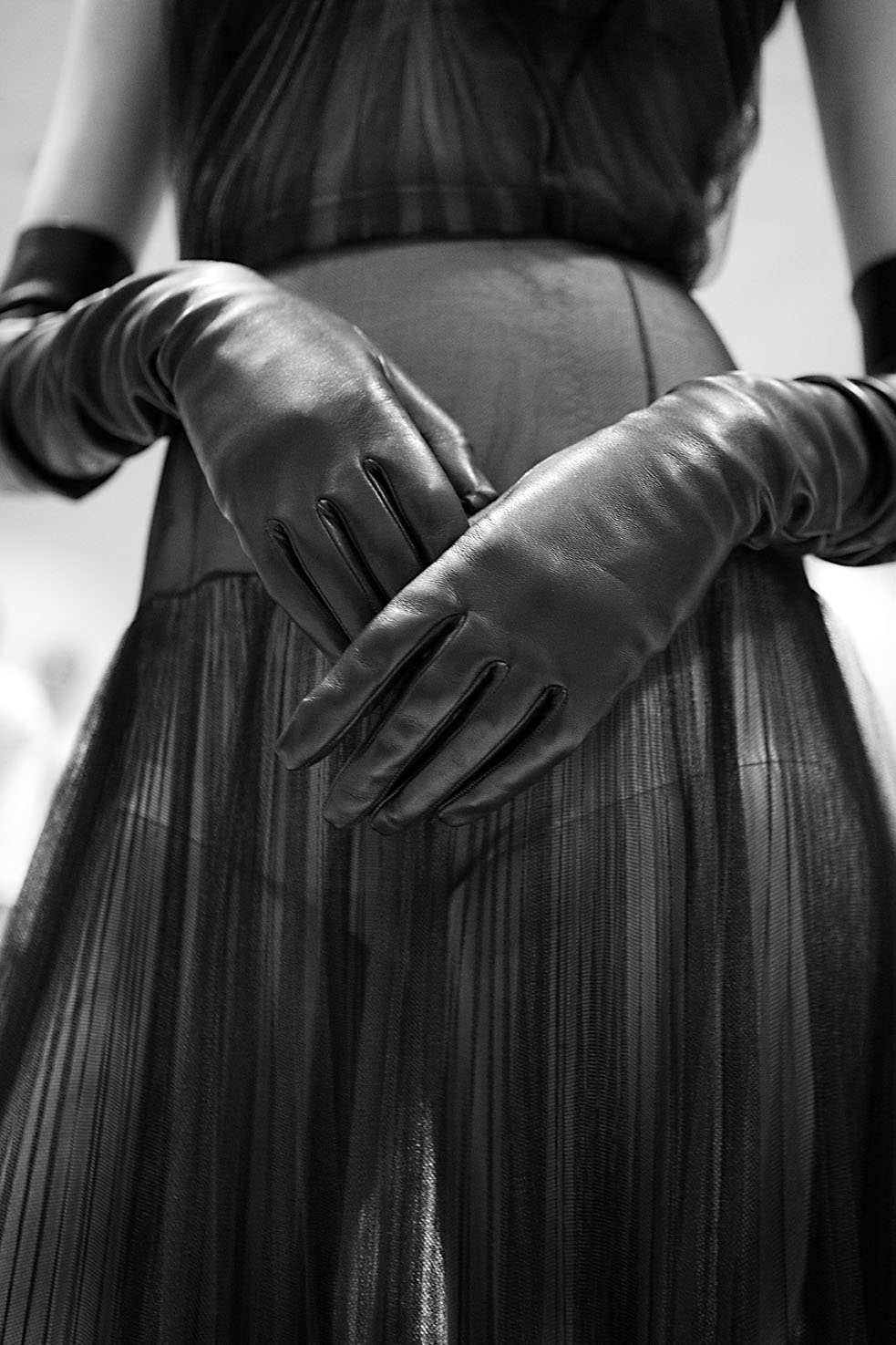
Ce travail a été exposé au Musée des Arts Décoratifs et a attiré l’attention de beaucoup magazines dans le monde et de maisons de couture dont Dior. Un jour, Olivier Bialobos de la maison Dior m’a demandé si cela m’intéresserait de raconter l’élaboration d’une collection de Haute Couture, en partant du dessin jusqu’au défilé tout en suivant toutes les étapes de son élaboration. Cela a été une expérience extraordinaire pour moi, j’étais à nouveau plongé dans un monde de création et de savoir-faire incomparable. A ce jour j’ai fait trois livres pour la maison Dior.

9. Vous avez été couronné des plus grands prix de la Photographie, comment réagissez-vous face à cette consécration ?

Gérard Uféras : Ce qui m’importe aujourd’hui c’est de continuer à produire de nouvelles images,… c’est si merveilleux la photographie! C’est un immense plaisir quand je vois des gens qui découvrent certaines images et de sentir qu’ils partagent les émotions que j’ai eues en les prenant.

Je suis très heureux que mon travail entre maintenant dans les collections de l’état en intégrant la collection de la Médiathèque du patrimoine et de la photographie.

Quand j’étais enfant j’adorais jouer aux billes, chacune de mes billes était comme un joyau, j’ai l’impression que chaque nouvelle bonne image est comme une des ses billes et cela me réjouit de penser qu’elle pourra faire rêver d’autres que moi dans les générations à venir.

10. Quelle est selon vous la place de la photographie aujourd’hui, à l’ère où tout un chacun peut y avoir accès via les smartphones ?

Gérard Uféras : La photographie a beaucoup évolué avec le numérique, elle s’est démocratisée et c’est une très bonne chose. Les  appareils permettent de photographier dans des situations qui étaient difficiles sinon impossibles auparavant.

Mais en même temps nous sommes confrontés par les réseaux sociaux à une avalanche d’images ininterrompue. Comment apprécier un chef d’oeuvre de Bonnard de Matisse ou de Willy Ronis s’il nous est présenté au milieu de trois cents photos de chats ou d’enfants ? L’intelligence artificielle va-t-elle modifier notre perception de la réalité, va-t-on ensuite accepter une image avec ses imperfections ? Je n’ai pas de réponse.

Mais en ce qui concerne la place de la photographie dans nos sociétés aujourd’hui, elle est énorme. Quand j’ai commencé mon parcours, une question de l’époque était : la photographie est-elle un art? Il me semble que plus personne ne pose la question aujourd’hui, nous en connaissons la réponse.

11. Quels sont vos projets à venir ?

Gérard Uféras : Je suis en train de préparer un livre sur le ballet de la Scala de Milan qui devrait paraitre en fin d’année. J’aimerais beaucoup que mon livre sur les Musées (j’y travaille depuis fin 2016)  sorte également. Je ne sais pas si le livre sur le Bolchoï pourra sortir un jour… et j’ai entamé un nouveau projet sur lequel il est un peu prématuré de parler.

Pour en savoir plus sur Gérard Uféras : www.gerarduferas.com

Brief encounter in an english garden with Rebecca Louise Law

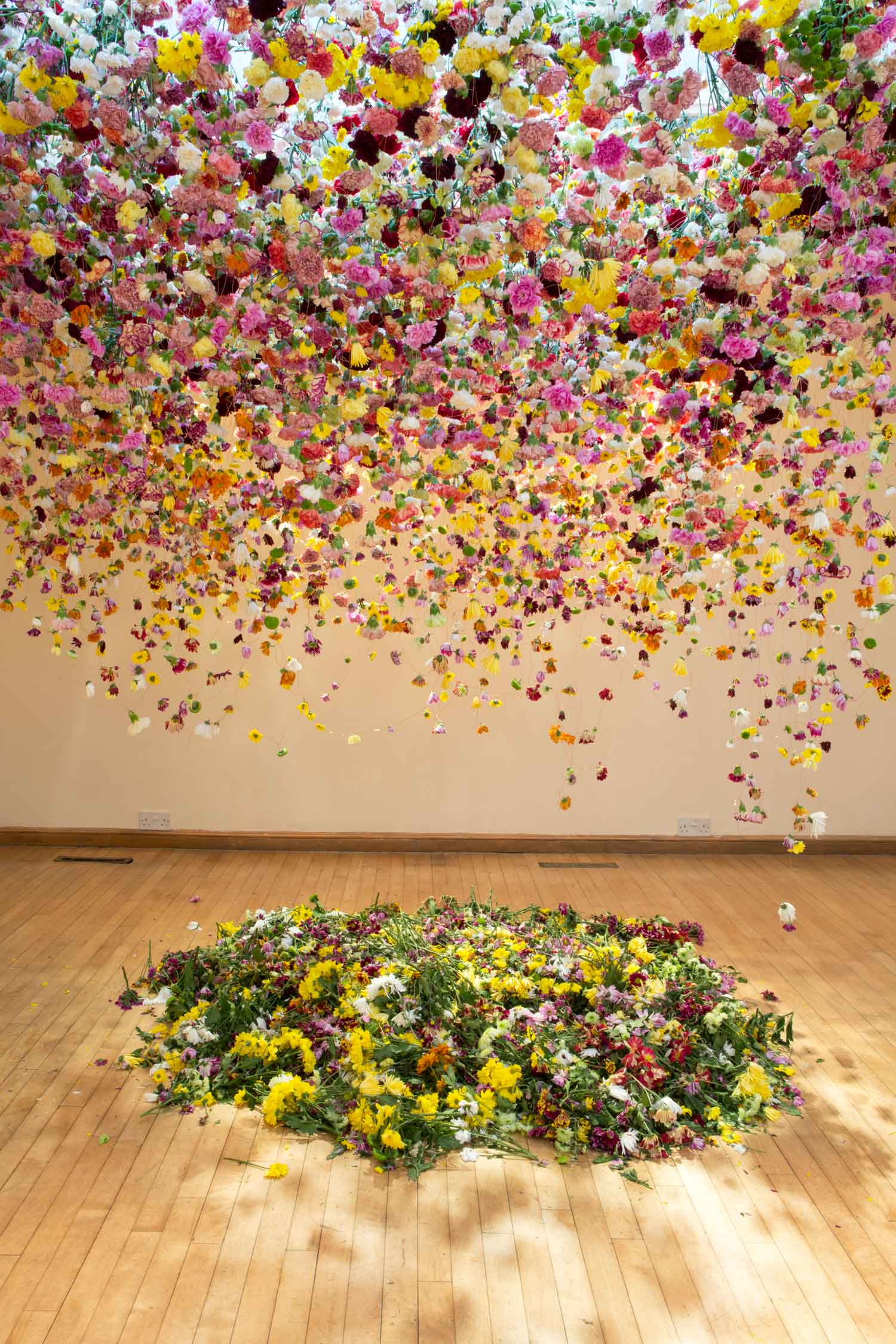
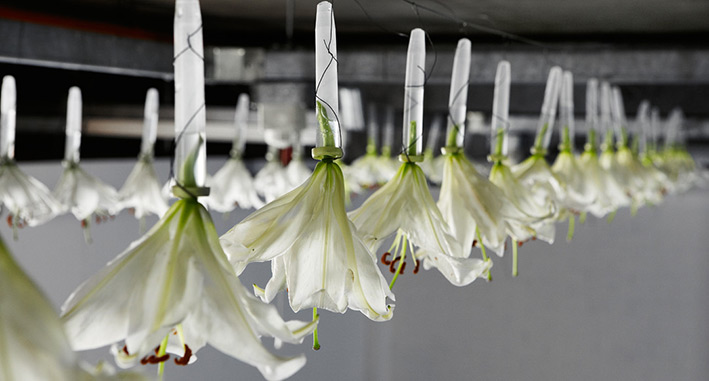
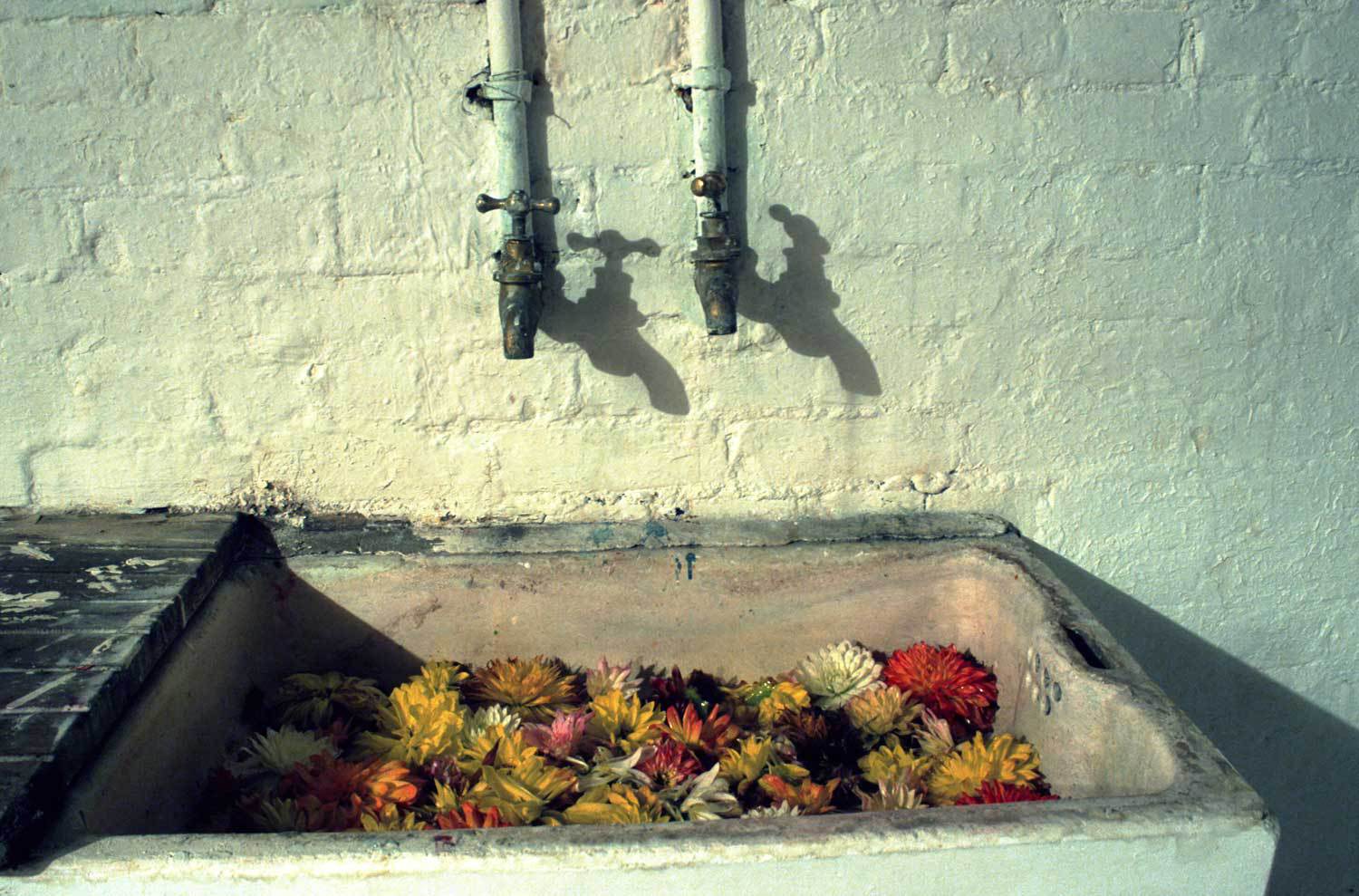
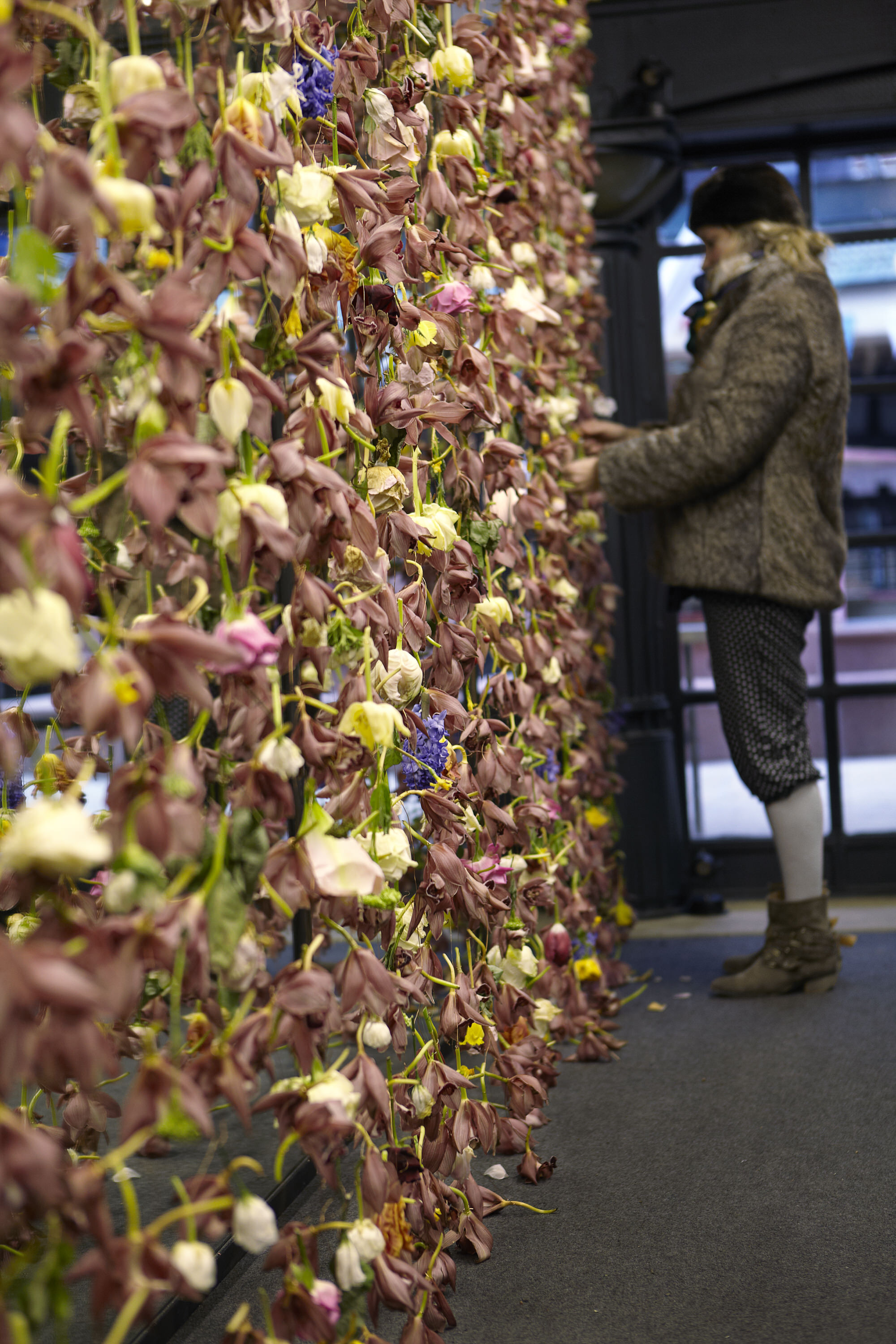
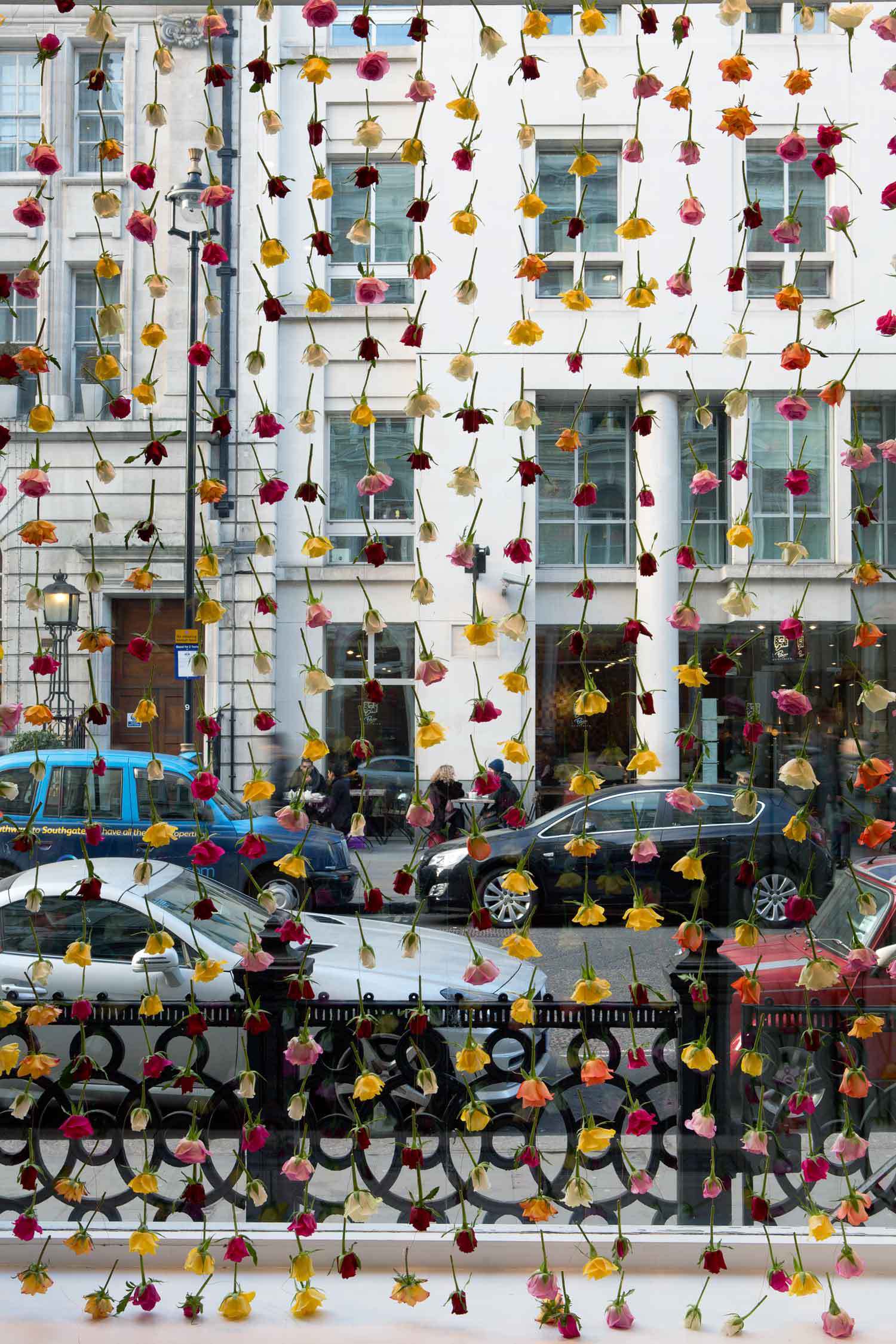
Rebecca Louise Law is a London-based installation artist known for her transformation of spaces using hundreds or thousands of suspended flowers. Trained in fine art at Newcastle University in England, Rebecca Louise Law has been working with natural materials for 17 years, a practice that involves a constant exploration of relationships between nature and humans. 

The physicality and sensuality of her site specific work plays with the relationship between man and nature. Rebecca Louise Law is passionate about natural change and preservation, allowing her work to evolve as nature takes its course and offering an alternative concept of beauty.

Over the past few years she has worked in numerous public spaces, museums (such as the Royal Academy and the Victoria & Albert Museum), and galleries. She has worked with the Royal Shakespeare Company and has been commissioned by brands like Hermès, Cartier, Gucci or Salvatore Ferragamo.

Her notable commissions include ‘The Flower Garden Display’, (The Garden Museum, London),‘The Grecian Garden’ (Onassis Cultural Centre, Athens), and ‘Flowers 2015: Outside In’ (Times Square, New York). 

Rebecca_Law_Vitra_02-784x523

1. Do you see yourself as a figure of contemporary art ?

Yes.

ok

thecross_RebeccaLouiseLaw_zpsa5886698

2. How would you describe your style ?

I am primarily an installation artist.

Suspensions-Florales-par-Rebecca-Louise-Law-01

3. What about your background in the floristry world ?

Floristry is the principle profession that combines flowers and creativity. It was important to me to have an understanding of this practice, its history, styles and the cultivation of flowers.

12294712_476290829225735_8994980261322599192_n

3. How did you become a floral artist ?

I studied Fine Art specialising in large scale oil paintings. Feeling frustrated working 2D and the limitations of the canvas? I searched for a colourful material that I could replace my paint with and work in 3D. After a year of experiments? I settled with preserved flowers.

12036634_460569114131240_800611941552701839_n

11173370_449814675206684_1165202520317587478_n

4. Is there an artist who has inspired you ?

I’ve always been inspired by Rothko.

Rebecca_Louise_Law_9(1)

Suspensions-Florales-par-Rebecca-Louise-Law-04

5. What are your recent art installations and floral commissions ?

I am currently working on permanent large scale installations in Melbourne, Australia and Berlin, Germany. I also have upcoming exhibitions in the UK, Spain and Denmark.

PoppyMain01

6. What happens to your creations once the project is over ?

Nothing goes to waste. If the installation is installed temporarily I either transfer the piece to a new space or I create smaller sculptures with the left over flowers. These are exhibited in my gallery in London.

Rebecca-Louise-Law-Suspended-Flowers-12

7. Where do you go to find inspiration ?

I go to the bleak countryside. Anywhere that nature is all consuming.

Rebecca_Louise_Law_Outside_In_01

RebeccaLouiseLawWork01

8. You’ve worked on some wonderful projects with some of the world’s most interesting designers…

I feel blessed to have worked on some incredible platforms and alongside inspiring patrons.

Flowers_PP7may2014B

9. What is your creative process once you have been allocated a space ?

I envisage the space as 3D canvas, working alongside the architecture and existing structure. Flowers are like my paint, I place them in response to what I am given. I always consider who will use the space and how long the installation will be in situ.

Floral-Art-Dahlia-Sink-2003-by-Rebecca-Louise-Law-Yellowtrace-04

Dahlia-Installation_thumbnail

10. Are the flowers and natural materials you incorporate reflective of the country you exhibit in ?

The country and culture play a huge role in my creations. I love embracing new worlds and learning about the symbolism and importance of flowers in each country.

TH_RL_Shells_BG_Master_W2-image-2

TH_RL_Arrangement-1__00016

11. What is your favourite flower and what is your favourite flower scent ?

My favourite flower has always been the Garden Rose, its scent is intoxicating.
The-Curtain-2011-1-Rachel-Warne

12. What are your simple pleasures ?

Walking, relaxing with friends, good food and wine.

13. What are your future plans ?

I would love to bring more communities together through creating my installations. I find that the greatest pleasure is working with unique teams on each artwork.

Floral-Art-The-Mill-Rose-Curtain-2013-by-Rebecca-Louise-Law-Yellowtrace-22

More about Rebecca Louise Law : www.rebeccalouiselaw.com

Marc Dubrule, au jardin de l’âme

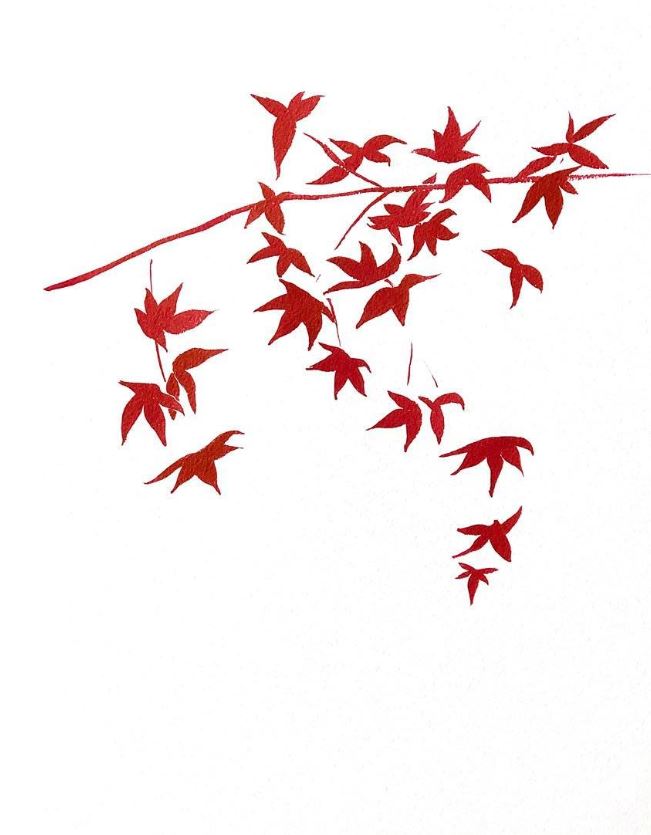
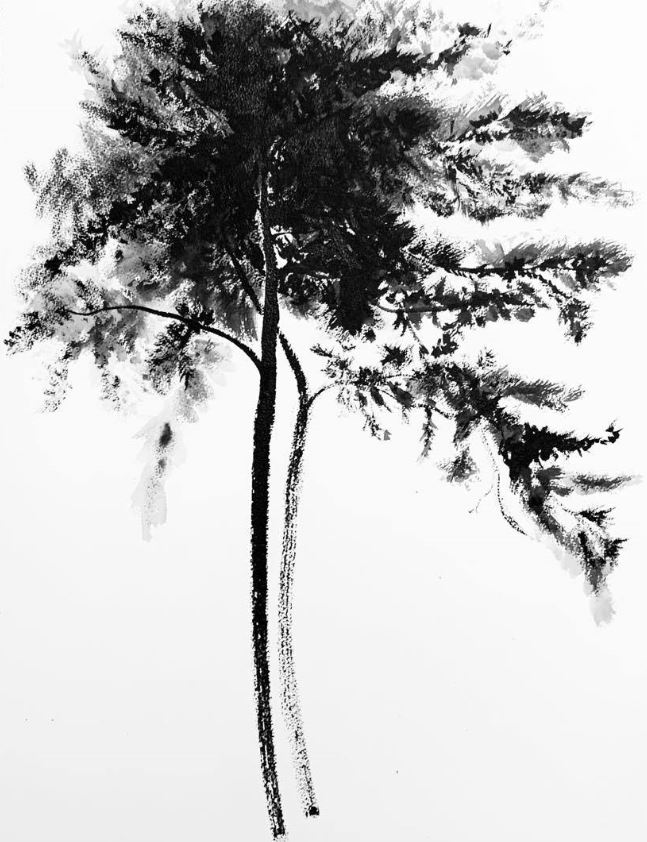
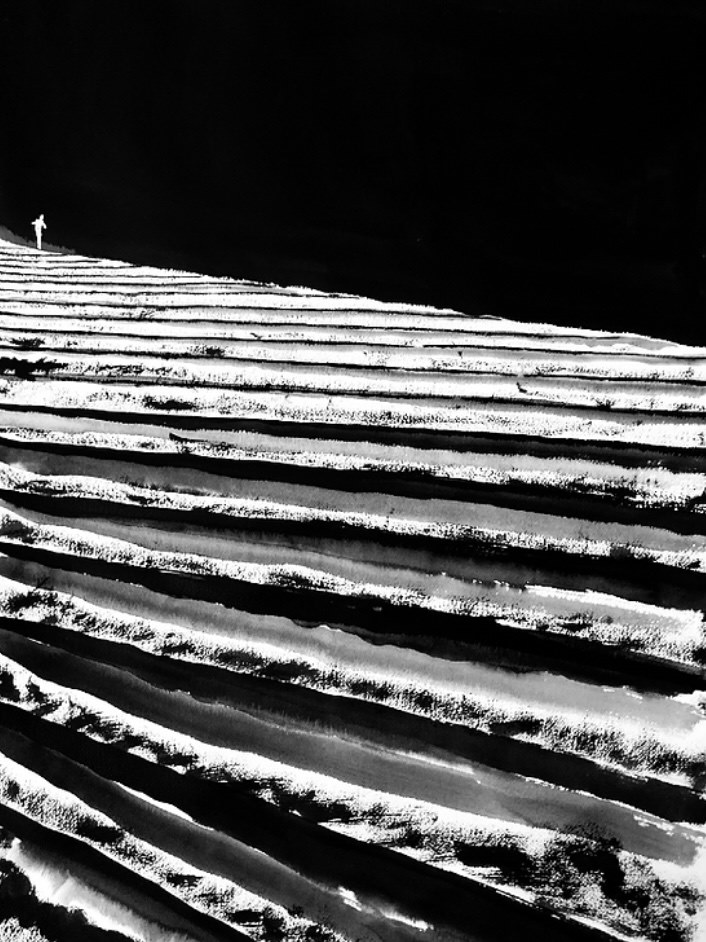
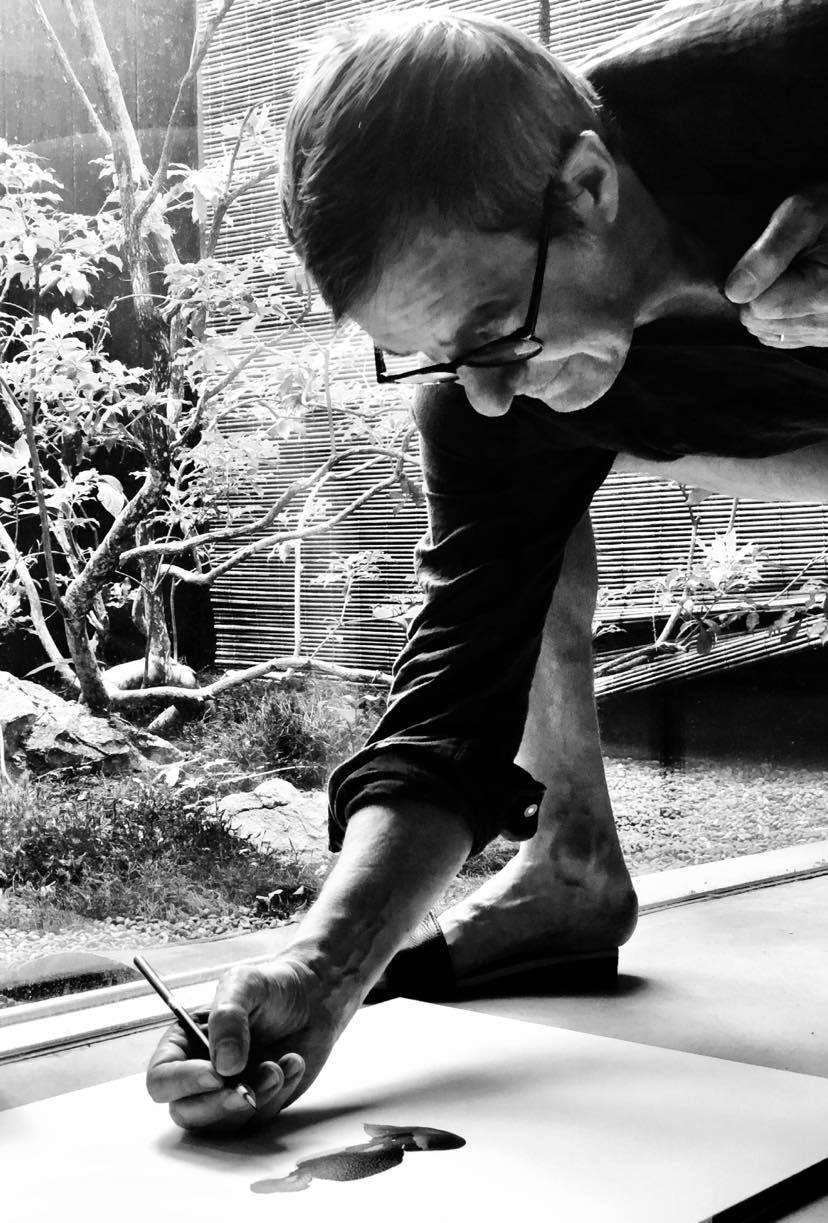
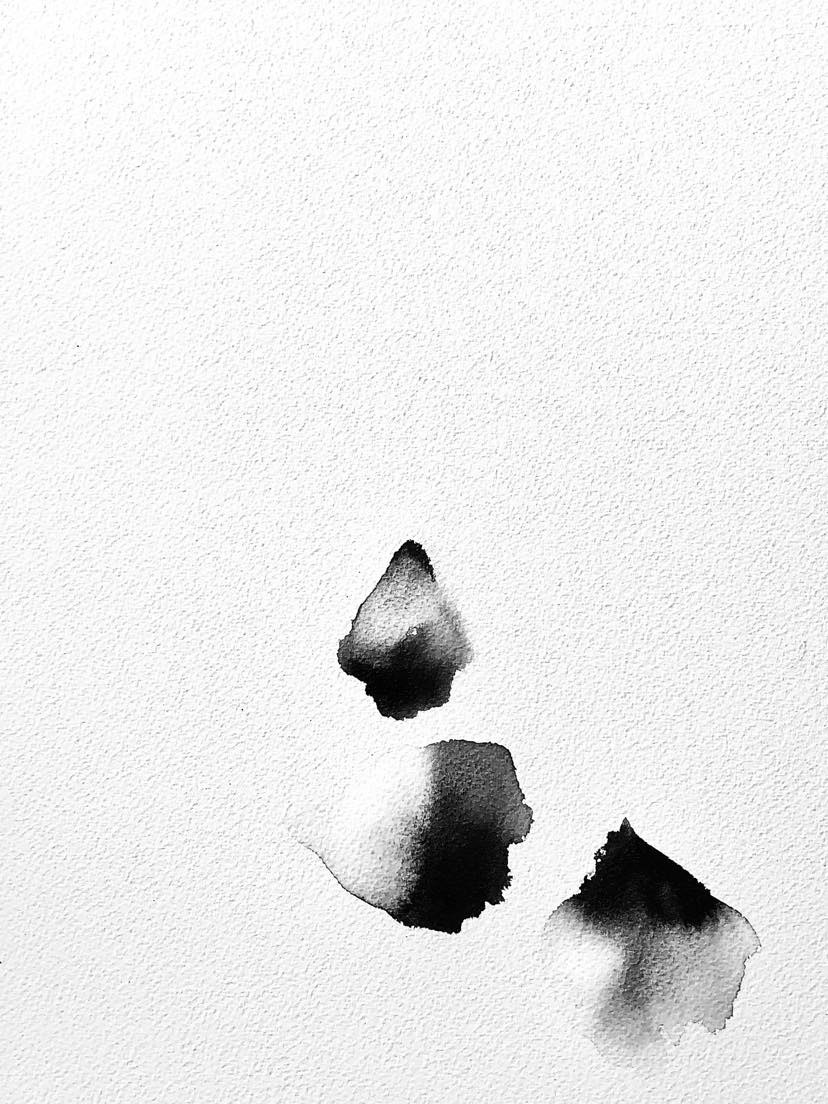
Né en 1963, Marc Dubrule s’initie adolescent au dessin dans les cours de modèle vivant des ateliers de la Ville de Paris et les sessions d’été des Beaux-Arts. Diplômé de l’Ecole Supérieure de Commerce de Paris en 1984, il part pour Johannesbourg comme coopérant-diplomate ; un séjour de près de deux années rythmé par la découverte des cultures d’Afrique australe. Après un nouveau passage à Paris, il s’initie à l’encre de Chine (sumi-e) lors d’une expatriation de quatre années à Séoul dans les années 1990, dont il revient très marqué par sa rencontre des artistes du mouvement coréen Dansaekhwa.

Formé à l’Histoire de l’Art comme auditeur à l’Ecole du Louvre, critique pendant plusieurs années pour le magazine Mixt(e), collectionneur passionné, Marc Dubrule crée depuis ses deux ateliers de Montparnasse et du Luberon. Il mêle la pensée bouddhiste, l’Esprit Mingei et l’esthétique wabi-sabi à son attrait profond pour les formes simples, primitives, organiques. Il peint essentiellement à l’encre de Chine et à l’acrylique sur papier d’’Arches et réalise des sculptures opportunistes à partir de pierres, de branches, et de supports terracotta. Adepte d’une culture asiatique de l’épure, mais d’une approche vivante et expressionniste, ses thèmes vont du corps à la figure humaine et d’une observation personnelle de la nature à un travail plus abstrait marqué par le trait.

Marc Dubrule réalise ses premiers solo shows à Paris : “Alla Prima (et allusif)”, en 2017, au Studio Ymer & Malta, puis “Ne pas peser sur la terre” à la Arthème Galerie en 2018. Il est artiste invité pour la première édition de “Big Hug Transformation” curatée par Marina Amada et Nicolas Jardry à la Galerie 5 de Paris en 2019, et présentera “The Kyoto (silent) Series” avec la Galerie Artismagna lors de la foire d’art contemporain de Lille “Art Up!” de 2021. Marc Dubrule a également contribué au livret accompagnant la sortie musicale de l’album électro Esana de JPLD en 2017, et publié “Traits de vie”, un livre d’artiste composé de textes souvenirs et dessins personnels édité à 400 exemplaires en 2011.

  1. Vous considérez-vous comme une figure en devenir de la scène artistique contemporaine ?

Marc Dubrule : Je ne peux vraiment pas répondre à cette question. Cela serait vraiment trop prétentieux de dire oui et je ne pense pas que cela soit à moi de le dire. Mon travail ne s’inscrit pas dans une logique de carrière artistique. Il s’apparente sans doute plus à une forme de thérapie holistique !

2. Comment définiriez-vous votre style ?

Marc Dubrule : A propos de style, dans son texte sur Cy Twombly, Roland Barthes disait qu’ « un trait est inimitable parce qu’il le juste reflet du corps ». Cela équivaut à dire que chaque artiste, qu’il soit bon ou mauvais, est unique, car indissociable de son corps et, pour être plus précis, de son geste, et de son trait. C’est ce que je pense. La question du coup devient : comment donc définir son geste pour parler de son propre style ? Peut-être en me souvenant qu’un professeur de dessin du primaire me disait souvent que je n’appuyais pas assez sur mon crayon ! Pour le contrarier et parce que cela me plaisait, j’ai continué et toujours cherché une forme de douceur et de délicatesse. Je suis allé naturellement vers la souplesse du pinceau, la fluidité de l’encre ou de l’acrylique, la légèreté de l’aquarelle. Sinon je travaille beaucoup alla prima, oscille entre le maitrisé et le fragile, essaie d’accueillir les accidents et de faire de la place au vide.

Je suis un artiste de la frugalité et interviens de manière minime et primitive sur la page blanche. Je m’inspire de la nature, de formes simples, organiques, et utilise une palette de couleur limitée.  J’aimerais sans doute ne pas trop peser sur la terre…

3. Racontez-nous votre parcours…

Marc Dubrule : Autant que je m’en souvienne, j’ai toujours aimé dessiner. Au-delà de l’école et des cours de dessin, qui étaient mes préférés, j’ai suivi adolescent ceux de la Ville de Paris, les sessions d’été de l’Ecole des Beaux-Arts, plus tard les cours d’histoire de l’art à l’Ecole du Louvre, et j’ai été initié à l’encre de Chine en Asie. Il m’est même arrivé de faire le critique d’art pour un magazine. Mais j’ai choisi de faire une carrière en entreprise dans l’industrie de la beauté. La peinture est restée longtemps un hobby.

En 2010, j’ai compilé un certain nombre de mes dessins et textes dans un livre d’artiste intitulé « Traits de vie » édité à 400 exemplaires. J’y avais mis du cœur. Puis un jour je dinais avec Valérie Maltaverne, la créatrice d’Ymer & Malta : celle-ci m’a encouragé à montrer mes œuvres et proposé de faire une première exposition solo dans son studio à Paris. Je ne l’avais pas envisagé et cela faisait suite à de gros soucis de santé personnels. Mes œuvres étaient alors plutôt sombres… Mais son regard d’esthète sur mon travail m’a donné confiance et j’aimais l’idée de créer cet objet scénographié qu’est l’exposition elle-même. J’ai foncé et l’intérêt du public m’a surpris. Cela s’est accéléré. D’autres expositions personnelles parisiennes ont suivi avec la Arthème Galerie (« Ne pas peser sur la terre »), puis la galerie Artismagna (« The Kyoto (silent) series »).

4. Votre expérience en Corée a-t-elle le déclencheur de votre vocation d’artiste ?

Marc Dubrule : La Corée est l’un des éléments du puzzle en effet. D’autres lieux en Asie du Nord comme Pékin et Kyoto ont compté pour moi.  La Provence où j’ai une maison, l’Afrique australe où j’ai vécu 2 ans également. Dans tous ces lieux si forts visuellement et émotionnellement, on pourrait dire que « les yeux pensent ». Mais vous avez raison de souligner la Corée. J’ai passé quatre années à Séoul de 1997 à 2000. Là-bas je fréquentais les célèbres galeries de Seoul comme la Hyundai Gallery, Park Ryu Sook, la Kukje… J’allais aussi les weekends dans les marchés aux puces ou d’antiquités, les centres d’art, les ventes aux enchères.

Je me suis intéressé à l’artisanat chinois, au mouvement japonais Mingei, à la céramique coréenne. Et j’ai surtout fait une rencontre choc avec l’art contemporain coréen et en particulier avec les peintres du mouvement Dansaekhwa, en ayant la chance d’approcher de près l’œuvre d’artistes absolument fondamentaux comme Yun Hyong-Geun, Park Seo-Bo, Chung Sang-Hwa, Lee U-fan, Ha Chong-Hyun. Ils ont attisé mon envie de créer.

5. Un souvenir lié à votre rencontre avec des artistes issus du mouvement coréen Dansaekhwa ?

Marc Dubrule : C’était en banlieue de Seoul je crois en 1999. Nous allions rencontrer, ma femme Hélène et moi, l’artiste Ha Chong Hyun pour lui acheter une toile avec notre amie broker d’art Laurencina Farrant-Lee qui nous avait introduits auprès de lui. Celui-ci nous a accueillis avec une grande gentillesse dans un atelier-hangar qui ne payait pas de mine. Il nous a offert le thé, montré ses œuvres et nous a expliqué sa fameuse technique du « push back », qui consistait à pousser la peinture de l’arrière vers l’avant du tableau à travers les larges mailles de ses belles toiles brutes. Ce jour-là j’ai pris conscience de l’importance de la matière, de la texture. J’ai aussi mieux compris l’unicité du geste et l’idée d’imperfection dont Ha Chong Hyun nous parla passionnément.

6. Paris & le Luberon, deux poumons nécessaires à votre processus de création ? 

Marc Dubrule : J’ai la chance d’avoir un atelier en Provence et un autre à Paris. Les deux sont extrêmement complémentaires. Le Luberon est pour moi un lieu de création. J’aime perdre le nord au sud, me laisser porter par le silence et la beauté des monts de Vaucluse et du Luberon. La nature et les villages sont sublimes. J’ai des liens forts avec l’histoire littéraire, poétique et artistique de cette région, de Pétrarque à René Char en passant par de Staël ou Camus. Et tout proches le Musée Granet, le Château La Coste, la Collection Lambert, Sénanque, Gordes, Ménerbes, l’Isle-sur-Sorgue sont de vrais terrains de jeu et d’inspiration pour moi.

L’atelier de Montparnasse est lui situé dans une cour intérieure magique, teinté d’histoire de l’art, où passèrent Satie, Ravel, Milhaud, mais aussi Cocteau, Picasso, Apollinaire,… C’est plutôt un lieu d’échange avec les professionnels et clients, et de promotion de mon travail, qui a l’avantage d’être proche de la production, notamment de la réalisation de mes encadrements. C’est une bulle dans la ville. J’y crée aussi et marche dans les quartiers de la rive gauche comme St Germain voire même jusqu’au Louvre où je traine souvent le samedi autour de la Grèce Préclassique.

7. Y a-t-il des lieux imaginaires, rêvés ou perdus, qui vous habitent ?

Marc Dubrule : Sans aucun doute ! Le Fontaine de Vaucluse de Pétrarque et là il faut de l’imagination pour se projeter dans la première moitié du XIVème siècle (pour cela lire « La vie solitaire »).  Les déserts de Namibie où j’ai eu la chance de faire deux séjours au milieu des années quatre-vingt, et leurs couleurs changeantes, avec ce sentiment de bout du monde. Le Kyoto de Sen No Rikyu, immortalisé par Inoue dans « Le Maître de thé » ou celui de Mishima dans « Le Pavillon d’Or ». Les alentours de Rome si chers à Claude Gellée dit Le Lorrain, ce maître du dessin du XVIIème siècle, ou plus récemment à Cy Twombly, mais aussi toute l’Italie qui, plus encore qu’un pays, est une grande idée…

8. « C’est moi qui pénétrant la dureté des arbres, Arrache de leur cœur une savante voix… », que vous évoquent ces vers du poète Théophile de Viau sur les arbres ?

Marc Dubrule : Cela me parle car j’aime peindre les arbres. C’est l’un de mes sujets de prédilection. Les arbres sont la synthèse de l’air, de l’eau et de la terre. Ce sont nos poumons à tous. Et quand je peins un arbre, je suis littéralement en fusion avec lui. Je perds la notion du temps. Je me sens telle une feuille parmi d’autres. Les arbres sont des êtres vivants. Un jour d’ailleurs un arbre m’a parlé. C’était au restaurant dans le village provençal de Lumières. Par contre je ne sais plus ce qu’il m’a dit car j’avais bu un peu trop de La Canorgue blanc…

9. Quelle importance accordez-vous à la littérature et la musique dans vos périodes de création ?

Marc Dubrule : Je travaille plutôt dans le silence. Parfois accompagné de voix féminines du Jazz, ou par le piano de Glenn Gould. La littérature et la poésie comptent davantage pour moi. La littérature anglo-saxonne des EM Forster, John Fante, et surtout Jim Harrison a constitué un imaginaire riche, une certaine vision de l’espace, du romantisme et des rapports humains. La poésie de Nerval, Rimbaud, Baudelaire et surtout de René Char a mis des mots et des lieux sur mes émotions. J’aime aussi et d’un point de vue documentaire les correspondances d’artistes comme celles des postimpressionnistes Camoin, Marquet, Matisse, ou d’autres artistes du XXème. Enfin je pense aux écrits de Lee U-fan, Soetsu Yanagi, ou même plus près de nous d’Axel Vervoordt sur le wabi-sabi, que je relis souvent et qui ont un fort impact sur moi.

10. Quels sont les matériaux que vous préférez utiliser ?

Marc Dubrule : J’aime le papier et le papier grain torchon d’Arches en particulier, son toucher, son épaisseur, sa manière d’absorber l’encre et son rendu bien sûr. Les noirs sont profonds. Le grain apparent. Les bords des grandes feuilles irréguliers. Je n’aime pas les papiers fins et un peu translucides qu’utilisent les calligraphes d’Asie. Ce qui me plait c’est le mariage des pinceaux calligraphiques ou de l’encre, qui viennent tous deux de Tokyo ou Seoul, avec les supports papier occidentaux comme ce papier d’Arches.

Il m’arrive de faire des sculptures opportunistes, ou même de peindre sur des matériaux bruts comme le bois, la pierre, et surtout sur des tomettes anciennes de terra cotta que je trouve chez un marchand de matériaux de récupération à Apt en Provence.

11. L’ensemble vos créations semblent porter un langage cadencé, comme une danse des mots. N’avez-vous jamais songé à écrire de la poésie ?

Marc Dubrule : Il ne me semble pas réfléchir ni créer en termes de cadence. Mais je suis sensible à une forme de répétition propre au minimalisme, et j’aime les formes brèves comme les haïkus. Il m’est arrivé mais rarement d’écrire de la poésie, comme « Les mots d’anges » qui figure dans mon ouvrage « Traits de vie » de 2010. Je suis plus sensible aux aphorismes que j’écris par centaines depuis plusieurs années.

12. Vos peintures pourraient-elles être qualifiées d’esthétique méditative, dont découle un sentiment de plénitude doublé par une impression d’infini palpable ?

Marc Dubrule : C’est très flatteur. Quand je travaille je suis personnellement dans une forme de méditation active. Mais amener le regardeur lui-même vers une forme de méditation est un but tellement louable. Si j’atteignais cet objectif, et c’est le cas de le dire, cela serait le Nirvana.

13. « La Terre adorée, partout, fleurit au printemps et reverdit : partout, toujours, l’horizon bleu luira ! Éternellement… Éternellement… », a écrit Mahler dans le dernier lieder du ‘’Chant de la Terre’’. Ces paroles pourraient-elles illustrer vos séries monochromes bleues, qui louent la beauté de la Nature… ?

Marc Dubrule : Ce sont de bien belles paroles que ce lieder de Mahler. Quelle illustration rêvée pour mes travaux autour du bleu ! Parler de bleu, de nature, d’horizon et d’éternité fait surtout référence pour moi aux mots de Gaston Bachelard que reprit largement à son compte Yves Klein pour l’exposition « Le vide » : « D’abord il n’y a rien, ensuite un rien profond, puis une profondeur bleue ».  Oui le bleu « attire l’homme vers l’infini, vers l’éternité » écrivait aussi Kandinsky. En tout cas, il a cet effet sur moi.

14. Quels sont vos projets à venir ?

Marc Dubrule : Un projet de livre de textes et peintures que j’aimerais mener à bien cette année. Une exposition de groupe fin février à Lyon et une prochaine solo exposition à Paris cet automne.

En savoir plus sur Marc Dubrule

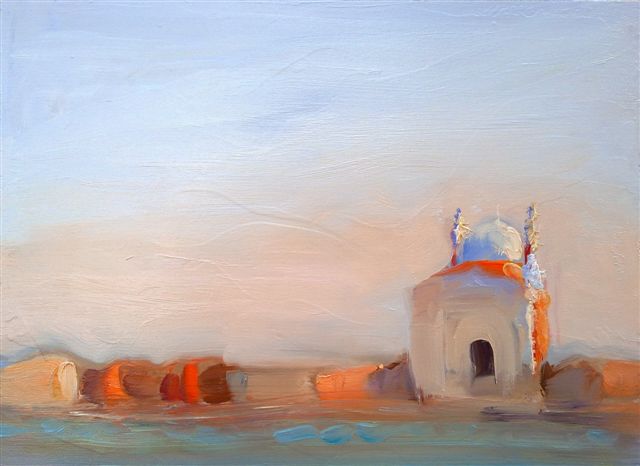
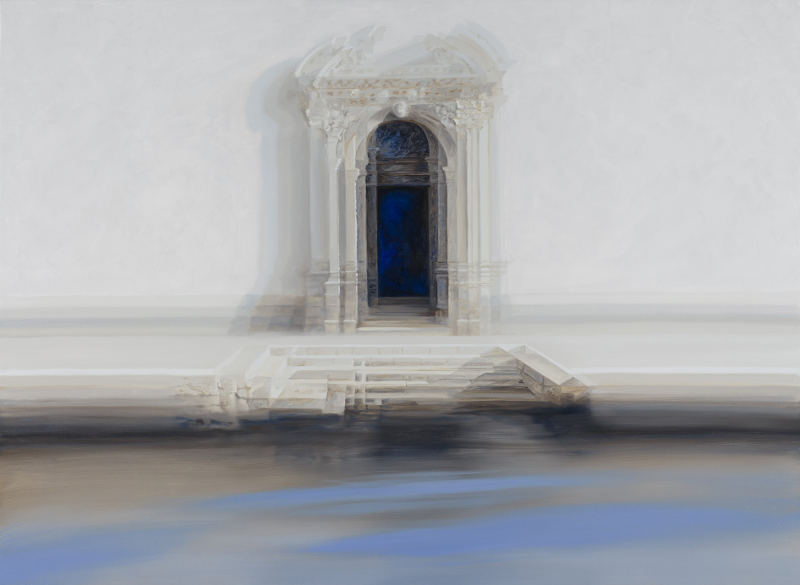
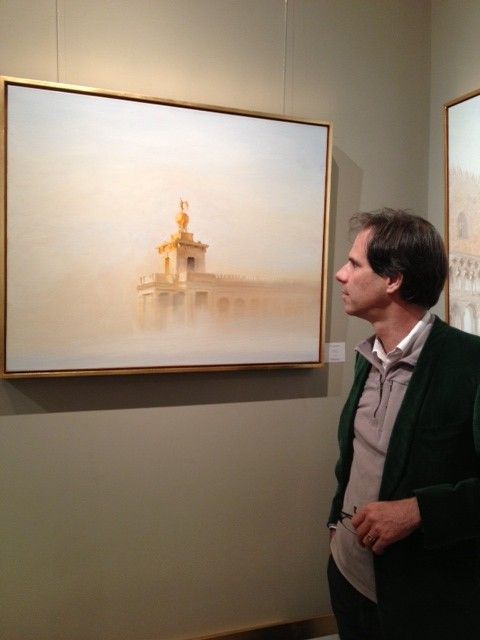
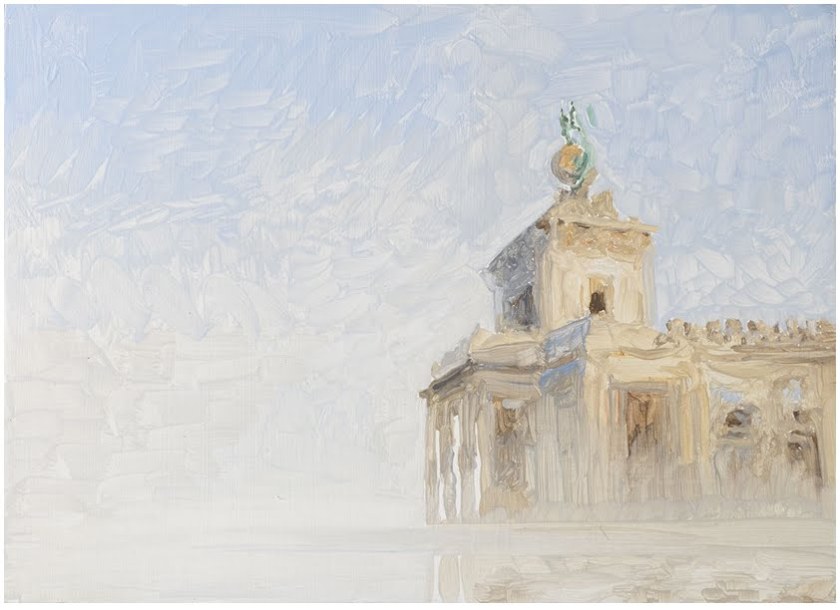
“J’ai rêvé le Beau” avec le peintre vénitien Roger de Montebello

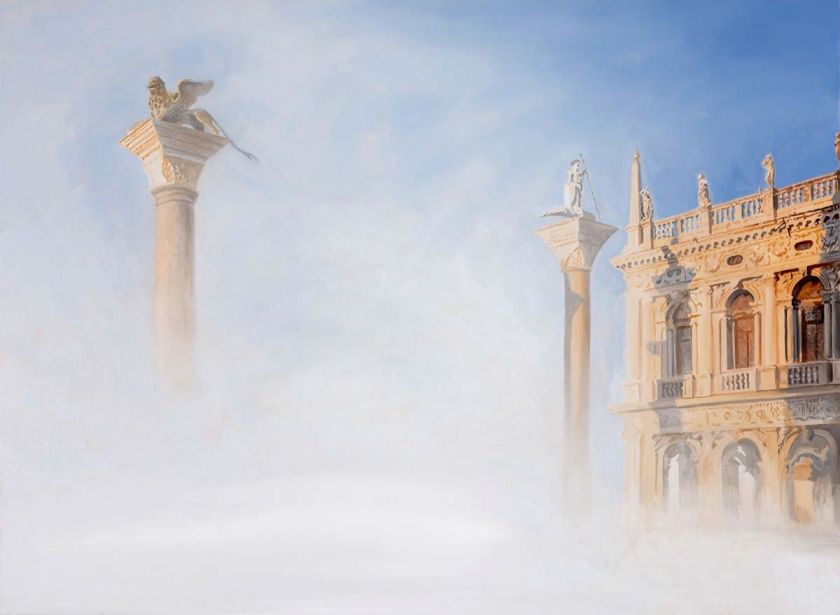
Depuis « Venise la rouge » comme la décrivait Alfred de Musset, le peintre Roger de Montebello suit les traces des grands maîtres qui ont consacré leur don à la représentation parfaite de la Sérénissime. Explorant les liens entre la peinture métaphysique et le monde Méditerranéen, Roger de Montebello se situe à Venise, entre Orient et Occident, là où le cœur d’un Art en quête de sens bat au quotidien.

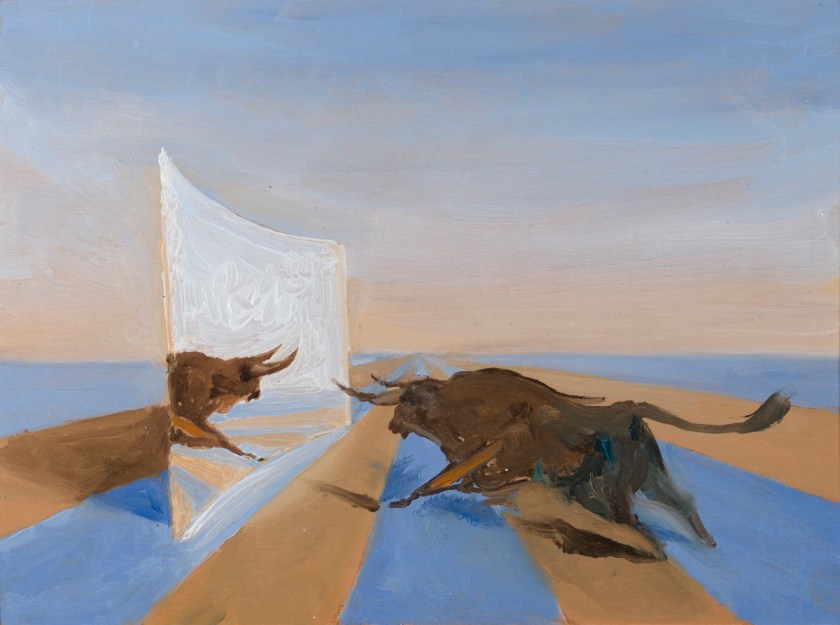
Roger de Montebello découvre très tôt les lieux qui inspireront plus tard sa peinture : Venise, la Méditerranée, l’Espagne. Ses études l’emmènent à Séville où il acquiert les bases de la peinture à la faculté des beaux-arts, puis à Harvard où il étudie à la fois la pratique picturale et l’histoire de l’art. De retour en Europe, il ne tarde pas à se consacrer entièrement à son art. Ses voyages le portent souvent sur les rivages de la mer Méditerranée. Ses thèmes principaux sont les vues urbaines, notamment Venise, la corrida peinte sur le vif et le portrait.

En 1994, René Huyghe, éminent spécialiste de la peinture et membre du Comité français pour la sauvegarde de Venise écrit : « Lumière, couleur et construction plastique se partagent le talent des peintres. Montebello a su les associer à un degré égal dans sa recherche, dotée de ce fait d’une richesse exceptionnelle ». Depuis, certains auteurs et personnalités du monde de l’art, souvent proches de Venise suivent et soutiennent son travail. Une grande exposition lui a été consacrée au Musée Correr de mai à septembre 2017, dont Jean Clair était le commissaire et Gabriella Belli le directeur artistique.

1.Vous considérez-vous comme une figure de la peinture contemporaine ?

Roger de Montebello : Absolument pas. Comme un peintre ? Oui. En devenir, qui essaie, qui apprend. Contemporain ? Non,  je n’aime pas ce que ce mot est devenu. À l’origine descriptif, ce terme a été détourné vers un usage instrumentalisé à des fins idéologiques et commerciales. Il y aurait parmi les artistes vivants ou morts ceux qui feraient de l’ « art contemporain », les bons ; et d’autres, vivants, qui feraient de l’art non contemporain, les mauvais. Cette division est en soi une imposture. Et ce mot rime trop avec marché de l’art, foire, spéculation, marketing, fashion, entertainement etc. Il cache souvent prétention, ignorance et corruption. Donc non merci je n’en veux pas : il représente un monde que j’interdis de rentrer chez moi. Et pour l’autre terme de votre question, « figure », il ne me correspond pas. Je peins et je dessine seul, à l’écart de l’agitation, isolé sur mon petit coin de terre entre ciel et mer, avec mes faibles moyens d’expression, et sûr de rien, sauf de mon admiration pour les grands peintres. Ce qui compte pour moi c’est de pouvoir placer mon regard de peintre face au monde, à ses beautés, à ses mystères, à ses enchantements. Devant lui, et à armes bien inégales, j’essaie, en luttant, d’en saisir et d’en distiller quelques fragments… Cette contemplation, pour ne pas dire cette confrontation me donne de la peine et de la joie : c’est ma vie et mon destin.

2. Comment définiriez-vous votre style ?
Roger de Montebello : Je ne le définis pas. Le style, dans son acception commune, est la cohérence des formes au travers d’une vie et de l’oeuvre d’un peintre, c’est un critère a posteriori pour le regard extérieur, qui reconnait l’auteur d’un tableau par son « style ». C’est une notion complexe et fondamentale, explorée par les historiens et philosophes. Mais si le peintre lui-même, devant son tableau en cours, essaye de s’en tenir volontairement à ce qu’il croit être son propre style pour faire avancer le tableau, pour qu’on en reconnaisse l’auteur au premier coup d’oeil, selon la logique publicitaire de l’identification immédiate, il court un danger. Celui de devenir un « styliste », coupé de la source originelle de ses tableaux: sensations-pensées-émotions, qui, si elles sont variées et évolutives, peuvent déterminer des formes d’expression tout aussi variées et évolutives. Pour le peintre, ce qui est fondamental c’est de s’occuper de la forme particulière de son tableau en cours, c’est même là son seul terrain d’action. Comme la forme c’est selon le mot célèbre « le fond qui remonte à la surface » : c’est sur la source profonde de son art que le peintre doit veiller sans cesse et dans laquelle il puise, et le reste – dont le style – n’adviendra que par conséquence.

3. Racontez-nous votre parcours
Roger de Montebello : En apparence un parcours linéaire ! Né dans une famille européenne et américaine tournée vers les arts, j’ai suivi ce qu’on dénommerait une bonne éducation. Depuis 1992, j’habite Venise où je travaille dans un grand atelier, et je peins des « paysages heureux». Mais intérieurement, dans et par la peinture, mon parcours est hésitant, tâtonnant, contradictoire, inquiet. Vivant dans un monde dont j’ai refusé les idoles, j’ai dû apprendre comme tout le monde à trouver mon chemin tout seul, quitte à faire fausse route et à perdre du temps, à apprendre péniblement les outils de mon métier, à distinguer l’essentiel du reste, ce qui est le plus difficile. Et je continue à apprendre et à m’interroger, plus que jamais. J’ai eu la chance immense d’avoir des acheteurs pour mes tableaux, ce qui donne une grande liberté pour poursuivre mon voyage exploratoire dans la peinture.

4. Quel a été votre tout premier contact avec la peinture ?
Roger de Montebello : Après une enfance entourée de tableaux variés, le premier peintre qui m’a vraiment parlé c’est Jackson Pollock, que j’ai découvert lors d’une exposition à Beaubourg au début des années 80.

5. « Lumière, couleur et construction plastique se partagent le talent des peintres. Montebello a su les associer à un degré égal dans sa recherche, dotée de ce fait d’une richesse exceptionnelle », qu’avez-vous ressenti à cette critique de l’éminent historien d’art René Huyghe ?
Roger de Montebello : J’ai ressenti qu’il avait vu juste en comprenant que je cherchais un équilibre entre les trois éléments dont il parle. Remarquons qu’il parle d’un « degré égal », pas d’un « degré élevé », donc son observation ne m’est jamais montée à la tête. La notion d’équilibre m’est chère. J’aime beaucoup les livres et la pensée de René Huyghe, c’est un grand connaisseur de l’art, qui ose parler d’âme dans la peinture, et avec souffle.

6. Peut-on parler de période française, espagnole, et italienne dans votre peinture ?
Roger de Montebello : Non, j’ai des thèmes variés et non chronologiques.

7. Vous considérez-vous comme un peintre de la Méditerranée ?
Roger de Montebello : La Méditerranée est une grande part de mon univers historique et géographique, surtout ses rivages nords. Mais plus généralement je me sens lié à l’Europe, dans ses composantes Nord et Sud.

8. Venise est-elle votre muse ?
Roger de Montebello : Pas vraiment. Disons que j’ai reconnu en Venise une part importante de la forme de mon esprit, de la structure de mon être. Ville platonicienne divisée entre réalité et reflet, ville à la fois allongée et qui émerge, ville où temps et espace ne forment qu’un, ville-musique où la mélodie flotte sur l’harmonie, où tout vibre dans la lumière…

9. Pourriez-vous envisager de vivre ailleurs qu’à Venise ?
Roger de Montebello : Peut-être à Burano.

10. Quelle influence exercent les maîtres anciens dans votre peinture ?
Roger de Montebello : Je les regarde beaucoup. J’aime particulièrement, mais pas exclusivement,  les époques précédents les grands classicismes: notamment l’art grec dit « archaïque » et le quinzième siècle européen, italien, flamand. Synthèse magique entre l’émerveillement face au monde et la recherche passionnée de moyens pour exprimer cet émerveillement. Ce double élan est selon moi la source de la grande poésie.

11. Quels artistes contemporains vous inspirent ?
Roger de Montebello : Probablement tous, d’une manière sans doute souvent inconsciente, qui fait que chaque peintre ne peut pas faire autre chose que de la peinture de son époque.

12. Quels sont projets à venir ? 

Roger de Montebello : Peindre et dessiner ! Une exposition à Genève en 2021, à la galerie Espace-Muraille. Et l’actualité immédiate : la parution d’un essai de Guido Brivio sur ma peinture, « Architetture dell’ Invisibile, Roger de Montebello e la verità in pittura », éditions Moretti & Vitali, 2020, trilingue (italien, français, anglais).

En savoir plus sur Roger de Montebello : http://montebellopaintings.com/

André Boubounelle, la confession d’un homme du siècle

André Boubounelle, un nom qui paraît sortir tout droit d’un roman de Gustave Flaubert. Un nom aux formes arrondies, aux consonances gourmandes qui nous mènent d’office aux portes d’un univers référentiel familier et rassurant.

A une époque mettant par principe l’art figuratif de côté, le peintre André Boubounelle ose manier sa palette à la semblance d’un gouvernail traçant son sillage parmi les courants déchaînés du monde. Ancien élève de l’Ecole Nationale des Arts appliqués de Paris, puis de l’Ecole Nationale des Beaux-Arts de Paris, il expose quelques années à la Galerie Anne Blanc puis obtient le prix de la Casa Velázquez et de l’Institut de France en 1991, avant de devenir pensionnaire de la Casa Velázquez à Madrid de 1992 à 1993.

Héritier de Pierre-Henri de Valenciennes et de Camille Corot, André Boubounelle peint d’un œil très contemporain ses paysages de la campagne et de la montagne, des vues urbaines ou des marines. Empreinte de grâce et de gravité, sa peinture transcrit la vision d’un monde magnifié : ses huiles évoquent le silence – le silence du Mystère -, dans des écrins de nature choisis. L’amateur fait face à une scène poétique et sereine, dénuée de fioritures, où chaque coup de brosse bat la mesure du temps qui nous leurre ou nous instruit. La peinture d’André Boubounelle est en quelque sorte une quête spirituelle sur les traces d’un Art grandiose. Ses toiles respirent. Sa peinture se meut. Ses paysages inhabités chuchotent.

Maniant avec dextérité la technique à l’huile ou le pastel, André Boubounelle projette l’expérience universelle de l’homme face à la nature avec une intensité émotionnelle rare. Tout à tour l’on se promène dans ses paysages familiers, de la Seine sous la neige à la campagne ensoleillée du Vexin en passant par la forêt de Rambouillet, jusque dans ses voyages dans le monde latin.

André Boubounelle revêt le rôle de passeur de lumière dans ce siècle de transition en proie à une angoisse sous-jacente. Chacune de ses toiles est un gage d’espérance qui prend la forme d’une confession, celle d’un homme du siècle.

En savoir plus : www.artismagna.com et www.boubounelle.com